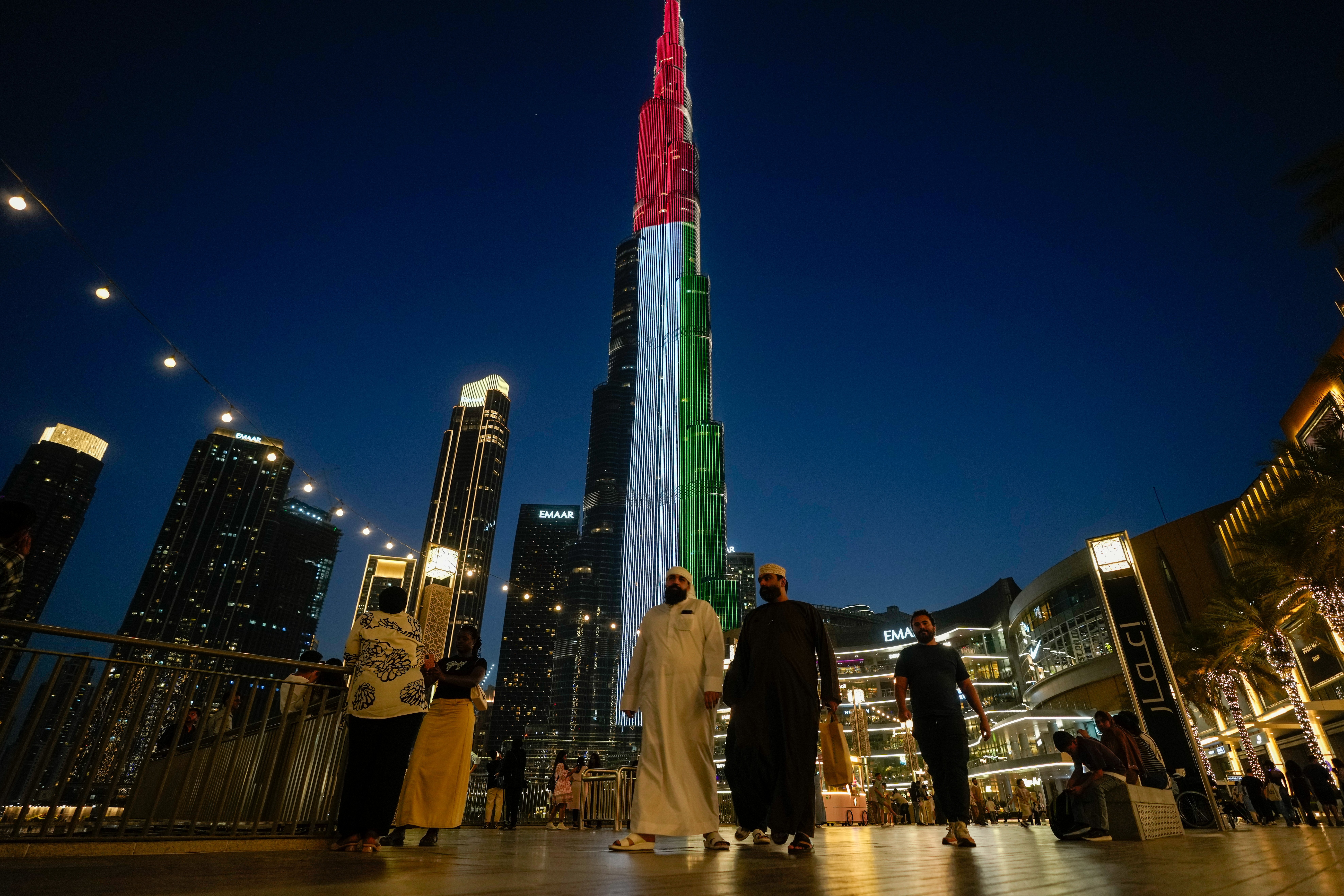
The United Arab Emirates has faced a dramatic escalation of missile and drone attacks this week, despite the purported ceasefire between Washington and Tehran. At least three Indian nationals were wounded in the first strike, and a second attack ignited a fire at a major oil facility processing roughly half of the UAE's daily crude exports—about 1.7 million barrels. Because the Emirates sit on the Gulf of Oman, its tankers can bypass the Strait of Hormuz, a key chokepoint Iran has threatened.
According to Emirati officials, the country has been targeted by 372 ballistic missiles, 15 cruise missiles, and 1,826 drones as of late March. That tally has since climbed by more than 1,000 additional attacks, making the UAE the most frequent target of Iran's proxies among its regional adversaries—more than Israel itself.
Unprecedented Israeli Military Support
In response, Abu Dhabi has turned to Jerusalem for help. Israel has deployed both equipment and personnel to the Gulf state, marking the first time the Jewish state has stationed troops with an Arab counterpart. The assistance package includes the Iron Dome air defense system—with its tracking radar, battle management, and interceptor missiles—alongside the Iron Beam laser defense system and the Spectro drone detection network.
Tehran has warned the UAE of “severe consequences” if it continues hosting Israeli forces. But President Mohammed bin Zayed, who has long harbored deep hostility toward the Islamic Republic, appears unmoved. His grievances date back to Iran's seizure of the Abu Musa and Tunbs islands in 1971, just as the Emirates gained independence. Unlike Saudi Arabia, which has pushed for a U.S.-Iran ceasefire, bin Zayed has refused to endorse Riyadh's mediation efforts.
Growing Rift with Riyadh
Tensions between the two Gulf powers have widened further. The UAE recently exited OPEC after 59 years, resentful of Saudi dominance over oil policy. In Yemen, the two back opposing factions: Abu Dhabi supports the Southern Transitional Council, which seeks a breakaway state in the former British Aden protectorate—a revival of the Soviet-aligned People's Democratic Republic of Yemen. Riyadh, by contrast, has always favored a unified Yemen along its long border.
The Sudanese civil war has added another flashpoint. The Saudis back the Sudanese military, while the Emirates are accused of arming the rebel Rapid Support Forces. These disputes have pushed the UAE closer to Israel, which has consistently backed Abu Dhabi in its moments of crisis.
When Houthi missiles struck the UAE in 2022, Israel provided intelligence and the SPYDER air defense system. By contrast, the Biden administration's tepid response reportedly angered bin Zayed. As he said in 2020, when the UAE became the first Arab state to join the Abraham Accords, “We have developed a thriving relationship to help us accomplish our shared strategic objectives.” A free trade agreement followed in 2022.
What This Means for the Abraham Accords
Whether the deepening UAE-Israel axis will pave the way for Saudi Arabia to join the Abraham Accords—a top priority for the Trump White House—remains uncertain. Riyadh insists it will not normalize ties without a clear path to Palestinian statehood. A change in Israeli leadership after the October elections could shift the calculus, but that depends on whether Prime Minister Benjamin Netanyahu, a staunch opponent of a Palestinian state, is finally voted out after nearly 16 of the last 17 years in power.
For now, the UAE's embrace of Israel as a strategic partner is reshaping the regional order—and driving a wedge between the two most powerful Arab states in the Gulf.