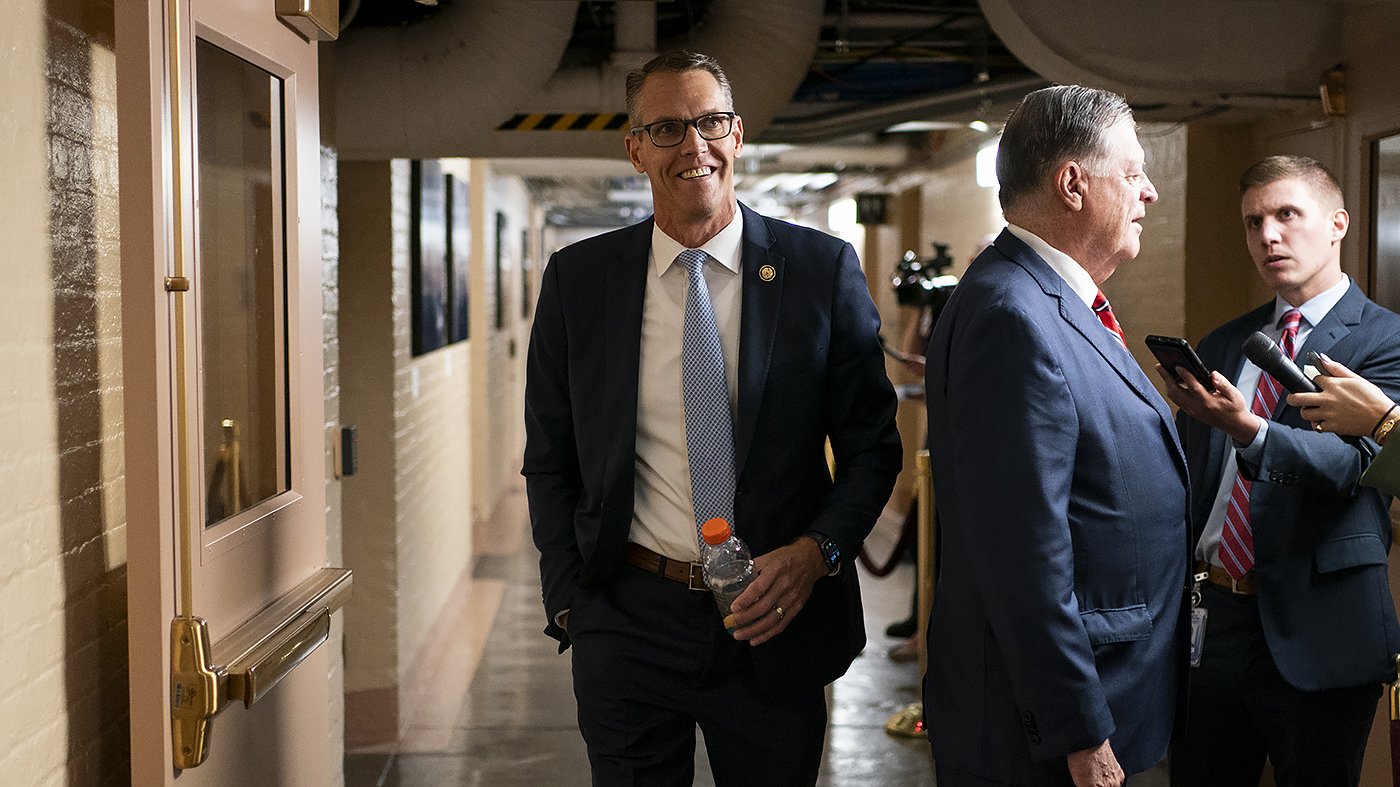
Iowa Republicans are casting ballots Tuesday in a competitive primary to determine who will carry the party's banner in the race to replace outgoing Governor Kim Reynolds. The contest features a crowded field, with U.S. Representative Randy Feestra emerging as the frontrunner against a slate of challengers including state Representative Eddie Andrews, farmer Zach Lahn, former state Representative Brad Sherman, and former state official Adam Steen.
Feestra, a veteran congressman, has sought to consolidate establishment support, but his opponents have hammered him on issues ranging from agricultural policy to federal spending. Andrews, a statehouse figure, has focused on local governance and conservative credentials, while Lahn has pitched himself as an outsider with deep roots in Iowa's farming communities. Sherman and Steen are also vying for attention in a race that could test the influence of national party endorsements.
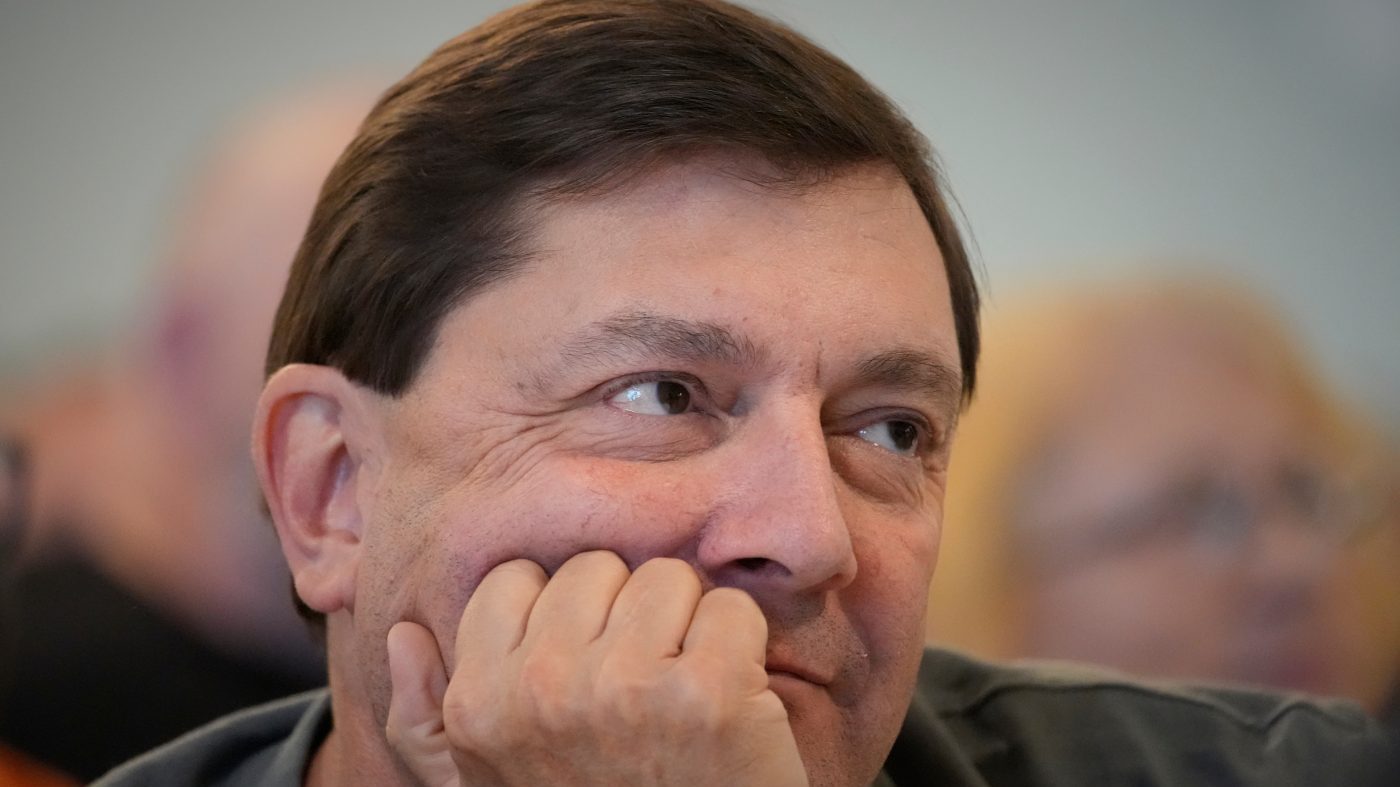
On the Democratic side, state Auditor Rob Sand is the presumptive nominee. Sand, who has built a reputation for fiscal oversight and independence, faces no serious primary opposition. The Cook Political Report has rated the general election a “toss up,” reflecting the competitive nature of the race in a state that has trended Republican in recent cycles but remains swingy in statewide contests.
The outcome of the GOP primary will set the stage for a high-stakes November showdown. Polls close at 9 p.m. EDT, and Decision Desk HQ is tracking live results. This race is one of several key primaries unfolding across the country, including the South Dakota gubernatorial primary where Kristi Noem's open seat has drawn a crowded field and the Montana Senate primary where a Trump-backed candidate leads the GOP field.
Iowa's gubernatorial race has also drawn attention to downballot contests. The Iowa Senate primary is seeing a competitive Democratic battle between candidates like Wahls and Turek, while Republicans rally behind Hinson. These races could shape the state's political landscape for years to come.
Voter turnout is expected to be moderate, with both parties mobilizing their bases. The GOP primary has been marked by sharp exchanges over economic policy, with candidates staking out positions on tax cuts, ethanol mandates, and rural development. Feestra's congressional record has been a central point of attack, with opponents arguing he is out of touch with local concerns.
Democrats, meanwhile, are watching closely. Sand's campaign has emphasized transparency and accountability, hoping to peel off moderate Republicans and independents in the general election. The auditor has avoided primary drama, allowing him to conserve resources for the fall campaign.
As results trickle in, political analysts will be parsing the margins to gauge the strength of each faction within the Iowa GOP. The winner will face a tough general election battle in a state where presidential politics often overshadow state-level races. For now, all eyes are on the Hawkeye State as voters deliver their verdict.