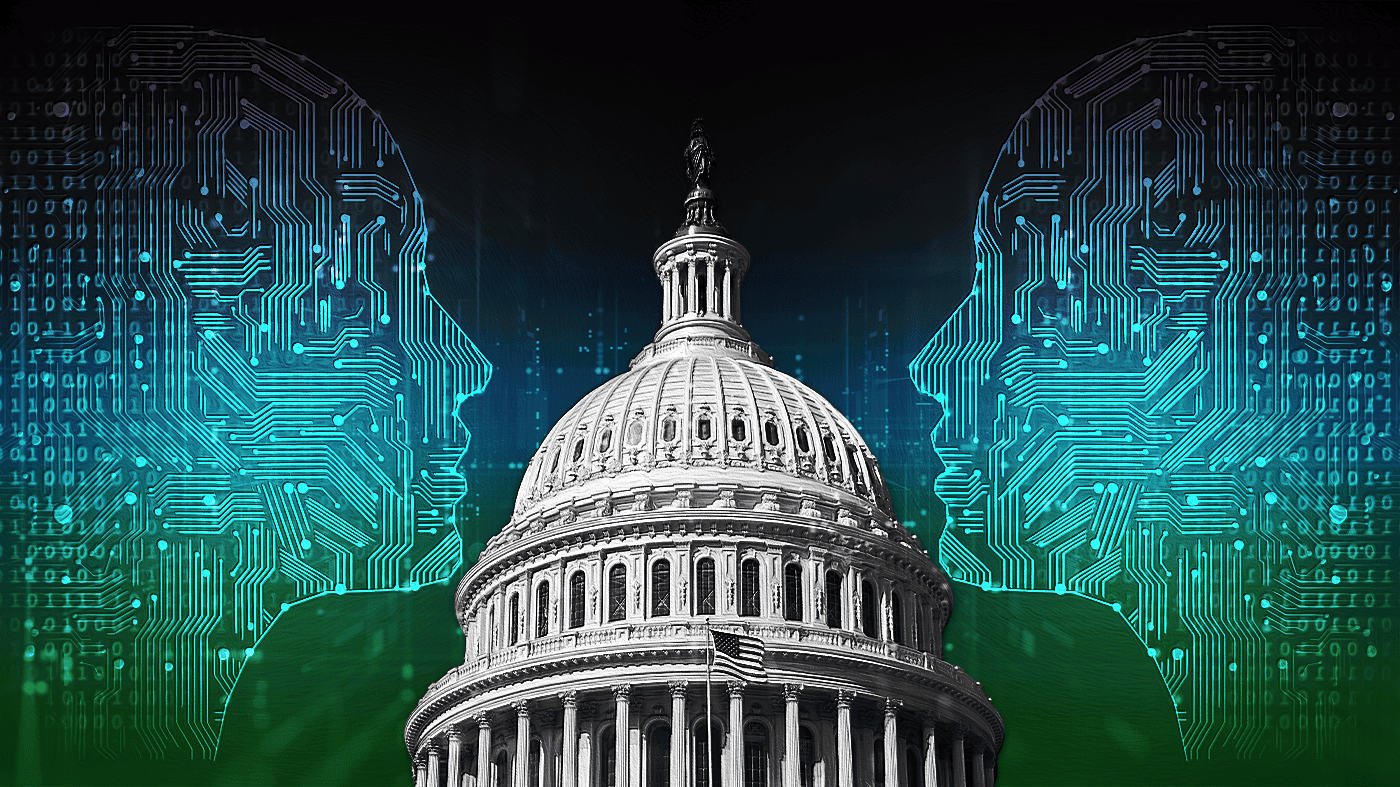
Top intelligence officials are leaning on Congress to reauthorize the government's warrantless surveillance powers before Thanksgiving, warning that delays could jeopardize the program's annual certification before the secret Foreign Intelligence Surveillance Court. The push comes as Section 702 of the Foreign Intelligence Surveillance Act operates on a dual legal footing—one from Congress, one from the court—with the judicial authorization set to lapse in March.
The program, which allows the government to intercept communications of foreigners abroad, lapsed on June 12 after Congress failed to renew it. Since then, it has continued only under the authority of the Foreign Intelligence Surveillance Court, a legal gray area that intelligence officials say is unsustainable. In a briefing after the summer recess, staff from the Office of the Director of National Intelligence told lawmakers that the certification process before the FISC requires months of lead time, making a pre-Thanksgiving vote essential.
But the urgency is drawing sharp skepticism from Democrats, who argue the administration is manufacturing a false deadline to avoid meaningful reforms. Rep. Jamie Raskin (D-Md.), the top Democrat on the House Judiciary Committee, accused the administration of trying to push through an un-reformed FISA before the midterms, when Republicans could lose control of the House. "They obviously just want to get it done because they know they're going to lose the elections... and because they know they're not going to be in control, they feel this is their chance to push FISA through without the privacy protections that America wants," Raskin told The Hill. "So that's a false deadline. March is the real deadline, and we need to get something done before that."
The intelligence community has continued to operate Section 702 largely because telecom and email providers have cooperated with surveillance requests and have not challenged the program's legality in court. But that cooperation is not guaranteed, and the March 17 court deadline remains critical. Each year, the director of national intelligence and the attorney general must certify to the FISC that surveillance procedures comply with the law, including safeguards to minimize the collection of Americans' communications. If Congress changes the law, those procedures must be updated, a process that intelligence officials say cannot be rushed.
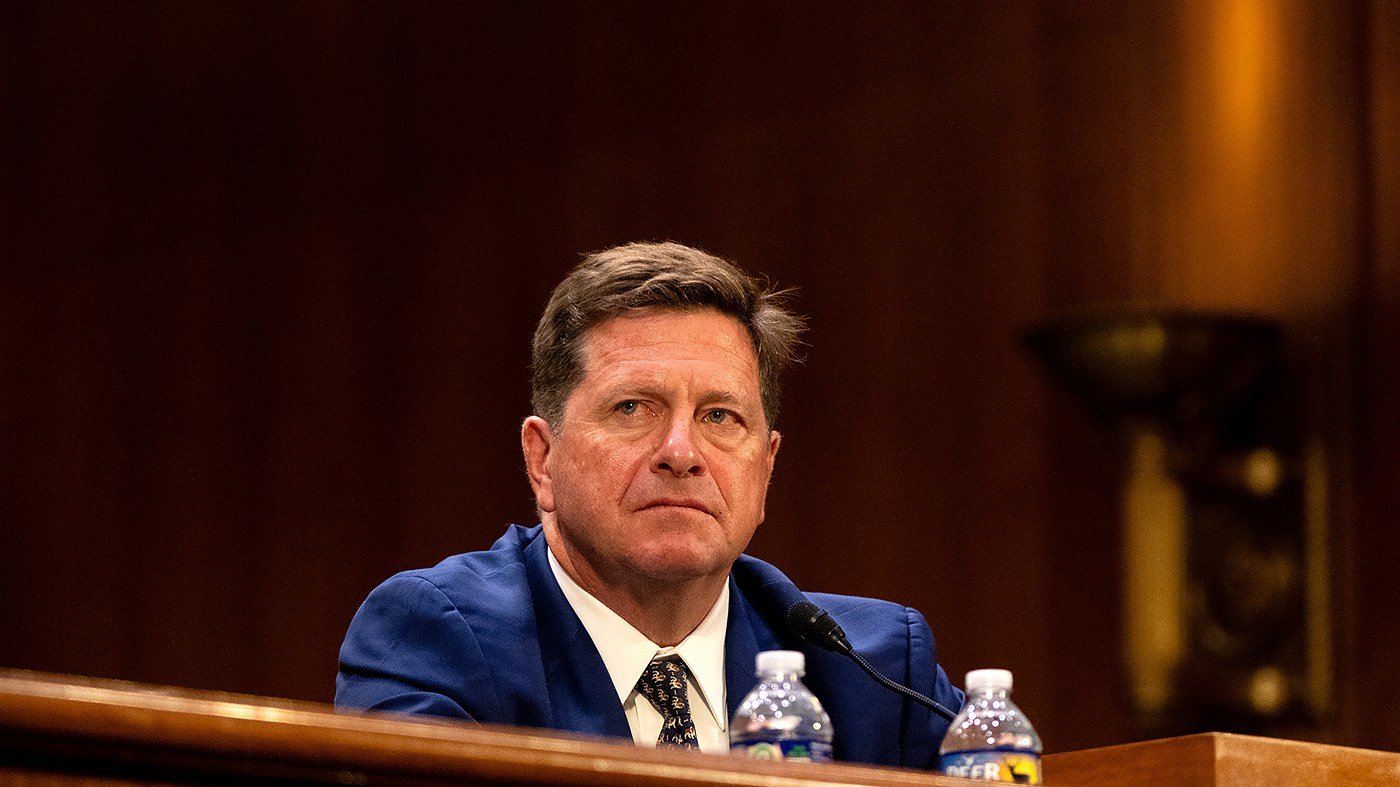
House Intelligence Committee Chair Rick Crawford (R-Ark.) echoed the urgency, noting that the certification process must begin in December. "The fact is, the courts have to recertify in December. Yes, the program is authorized till March, but they've got to recertify in December. If we don't deliver something before that, it's going to be complicated for them to implement the changes that we have in the FISA bill," Crawford said. "It does require significant lead time to be able to implement all that and go through the certification process."
The fault lines over FISA 702 do not run strictly along party lines. A Democratic aide present at the briefing said GOP privacy hawks also pushed back against the intelligence community's timeline. But the aide noted that Democrats are increasingly confident about retaking the House after the midterms, and that confidence is shaping their approach. Support for 702 has eroded within the Democratic caucus: while 147 Democrats voted to renew the program in 2024, only 42 backed the most recent House bill, which has stalled in the Senate.
"Our members are more skeptical of the Trump administration, but I think that skepticism is a bipartisan one," the aide said. "In the new Congress, negotiations will be more fulsome, include more corners of our caucus and their conference, and yes, probably would involve additional checks on the intelligence community. ODNI has issued this warning both because they really want it done and because they would rather take this deal than whatever deal we come up with."
Not all Democrats are eager to punt the issue to the next Congress. Rep. Jim Himes (D-Conn.) warned that the program is in a tenuous position, surviving only because tech companies have declined to sue over the lapse. "The four or five people that I talked to that are pretty instrumental to reauthorizing this thing, nobody is trying to be too clever here... This process cannot expire, or we will be subject to some real evil," Himes said. "We had a great development when the companies decided they weren't going to sue and stop providing information. So let's just get it done. Quite frankly, I would much rather we deal with it right now, both for temporal reasons, but also to have to do this under pressure with a brand new majority and a pissed off minority. That doesn't feel smart to me."
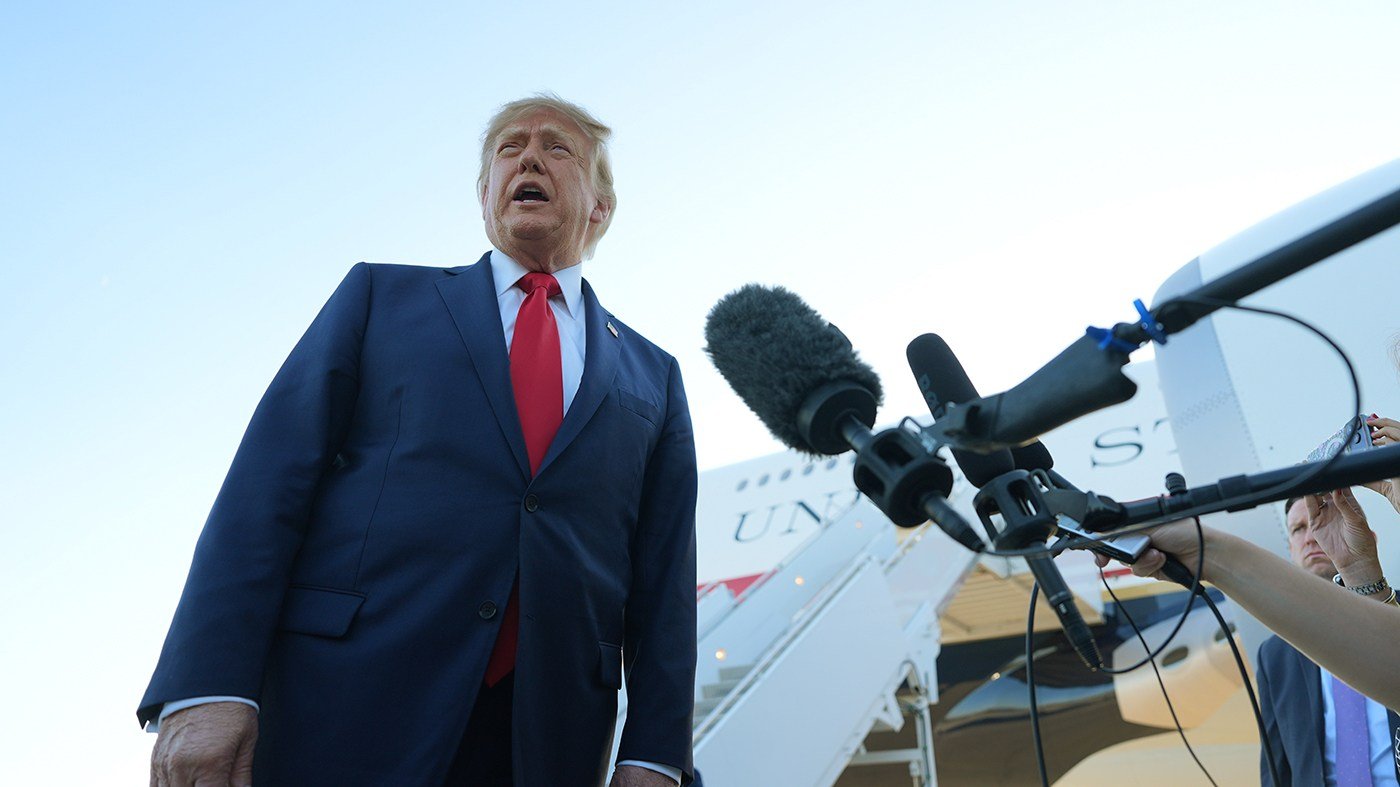
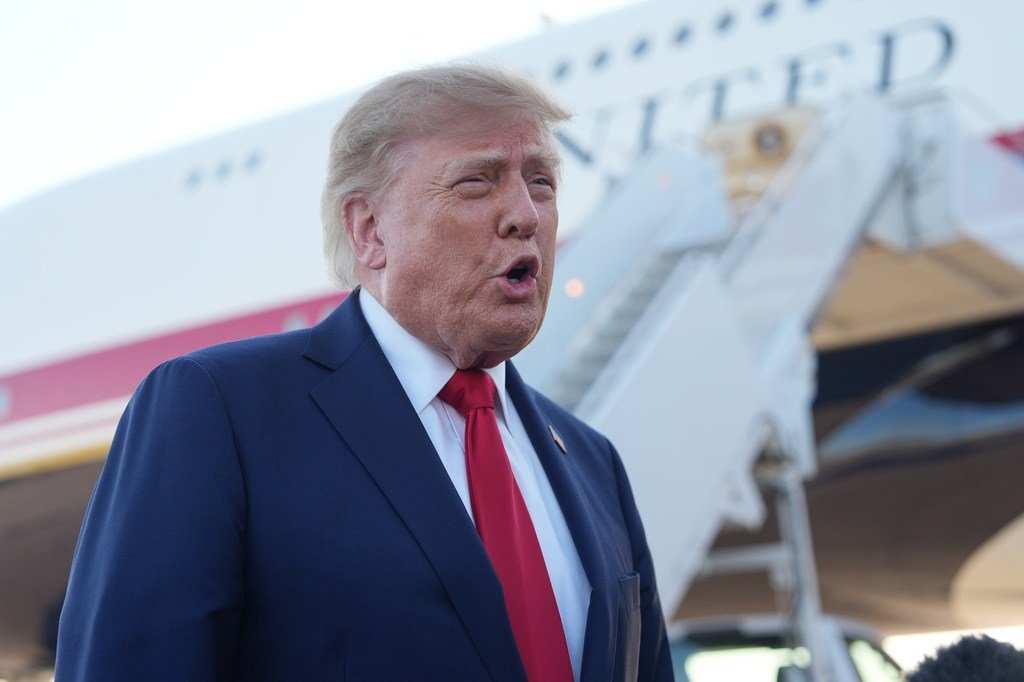
The collapse of a FISA 702 renewal effort over the summer was complicated by President Trump's installation of Bill Pulte as head of the Federal Housing Finance Agency, a move that further entangled the legislative process. As the clock ticks, the intelligence community's warning has set up a high-stakes showdown in the lame-duck session, with Democrats demanding privacy protections and Republicans facing internal divisions. The outcome will determine whether the government's surveillance powers are renewed with reforms or allowed to lapse into a legal limbo that even intelligence officials admit is unsustainable.