The 2026 midterms delivered a staggering blow to Republicans nationwide, with the party losing control of both chambers of Congress and seeing Democratic gains in several traditionally red states. Texas, in particular, flipped completely: Democrats captured the Senate seat, every statewide office, and the state House. Even in states where Republicans retained power, they lost supermajorities in legislatures across Florida, South Carolina, Indiana, Missouri, Ohio, and Kansas.
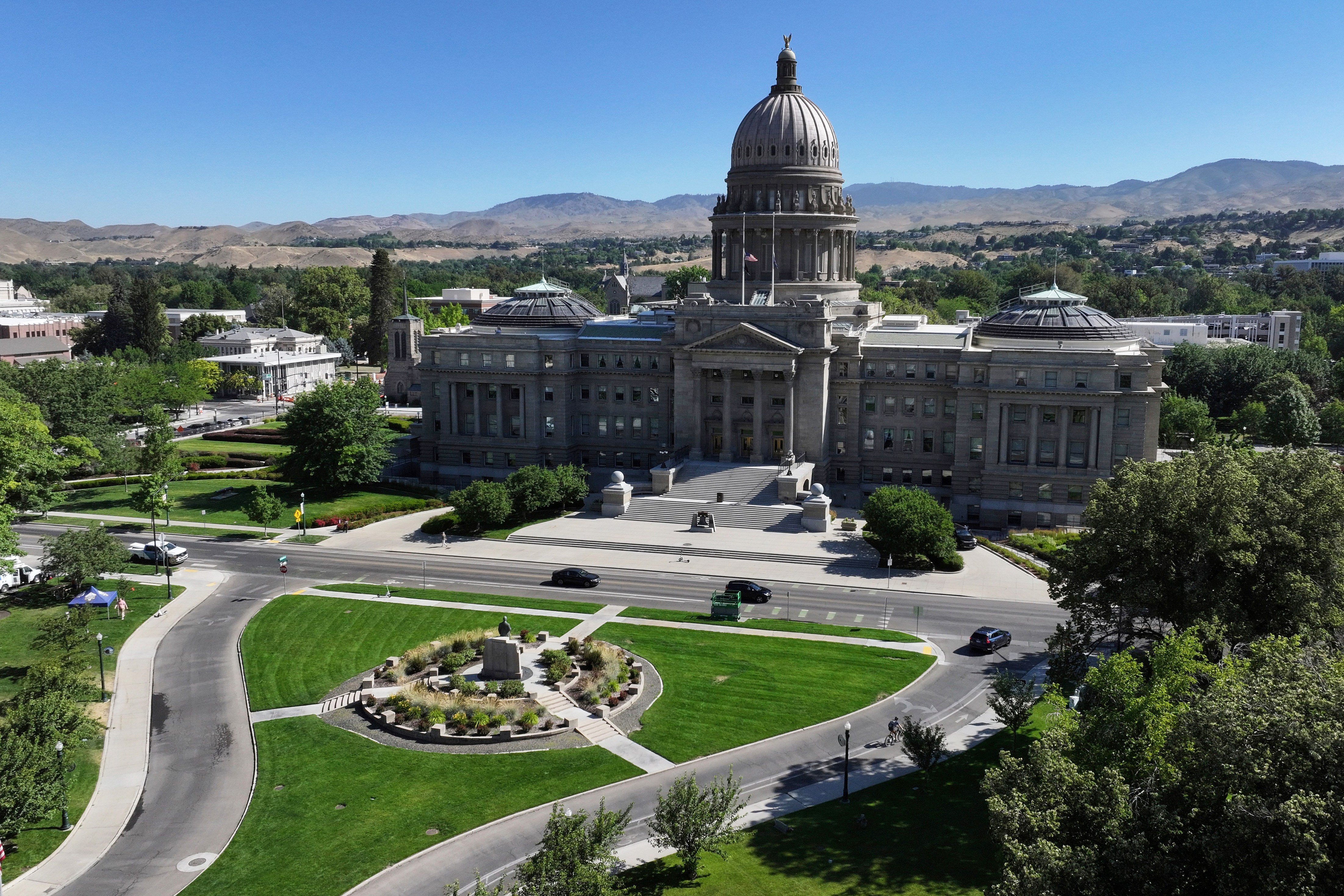
Yet amid this once-in-a-generation blue wave, Idaho stood as a bulwark. Republicans in the Gem State not only held all three federal seats on the ballot and all seven statewide offices, but also preserved their supermajorities in both legislative chambers. They also became one of the few states since the overturning of Roe v. Wade to reject a citizen's initiative seeking to legalize abortion.
How did Idaho accomplish this? The answer lies in a combination of strategic focus, grassroots mobilization, and demographic realities.
Unified Opposition to Proposition One
Central to the GOP's success was a coordinated fight against Proposition One, a ballot measure that would have legalized abortion in the state. Activists, mindful of how similar initiatives had passed in conservative-leaning Ohio and Kansas, made defeating it their top priority. The effort brought together a broad coalition, including the Idaho Family Policy Center, Idaho Chooses Life, Right to Life of Idaho, the Too Extreme For Idaho PAC, and religious organizations from the Catholic and Latter-Day Saints traditions.
These groups raised millions to counter pro-abortion spending. They organized in-person events, erected billboards, distributed palm cards, sent text messages, and saturated airwaves with ads. Clergy gave away yard signs after services. By Election Day, a significant number of Idaho physicians, Republican legislators, and six statewide officials—including Governor Brad Little and Attorney General Raul Labrador—had signed open letters urging rejection of the measure.
This unity was critical, given the double challenge of a national blue wave and a high-turnout initiative. Democratic voters in Idaho turned out at levels comparable to 2024, while Republicans approached the election with typical midterm enthusiasm. But the GOP's organizational strength proved decisive.
Structural and Demographic Advantages
Idaho's political landscape also favors Republicans. As of November 2026, nearly 62 percent of registered voters were Republicans, compared to just 12 percent Democrats. Democrats are concentrated in urban centers like Boise, Pocatello, and Moscow, but they remain a minority elsewhere. Republicans dominate other cities such as Nampa, Twin Falls, and Coeur d'Alene. The blue wave allowed Democrats to gain six additional legislative seats in their strongholds, but the GOP's supermajorities remained intact.
Unlike states with large blue enclaves surrounded by red territory, Idaho's blue core is not yet large enough to outweigh the rest of the state. Moreover, migration from blue states is making Idaho redder, with reports indicating that over 75 percent of new registered voters from California affiliate with the GOP.
Lessons for Republicans Nationwide
Idaho's success offers lessons for Republicans elsewhere. First, the party must unite around shared values rather than internal divisions. Idaho Republicans have their policy disagreements, but they coalesced when it mattered. Winning elections doesn't require unanimity—it requires knowing when to set aside disputes and work toward a common goal.
Second, Idaho's political durability stems from more than registration numbers. The state's reputation as a conservative stronghold attracts families seeking communities that honor those values. Other states cannot simply replicate Idaho's electorate, but they can invest in building communities, institutions, and a political culture that sustains conservative governance over time.
Finally, there is no permanence in politics. Majorities must be maintained and renewed year after year. States that vote overwhelmingly Republican today could shift dramatically a generation from now if the party becomes complacent. Idaho's example shows that vigilance and grassroots engagement are essential. As new analysis highlights the GOP's early voting gap that contributed to the midterm rout, Idaho's approach stands out. The state's Republicans have built a model that others would do well to study.
In the aftermath of the 2026 elections, Idaho remains a Republican stronghold—a testament to what can be achieved with unity, organization, and a refusal to take victory for granted.