In Driggs, Idaho, Jim Sheehan, owner of Wydaho Roasters, has become the latest flashpoint in the ongoing battle over whether businesses can turn away customers based on political or religious views. Sheehan recently ejected a group of pro-life teenagers from his shop, likening their presence to a Ku Klux Klan gathering. His defiant statement, "This is my place of business," has reverberated across the political spectrum, highlighting the deep divisions over service refusals in an era of heightened cultural conflict.
Sheehan, who has been vocal about his support for abortion rights, told the teens that their pro-life advocacy was unwelcome. In a video of the encounter, he declared, "In my world, pro-lifers are no different from the Ku Klux Klan." He later apologized for the KKK analogy but stood by his decision to refuse service. "I did a lot of work to get people on the ballot so women would have the right to choose in the state of Idaho, and this is something I do not support, nor does my wife, and it's our business. So we have that choice," he said.
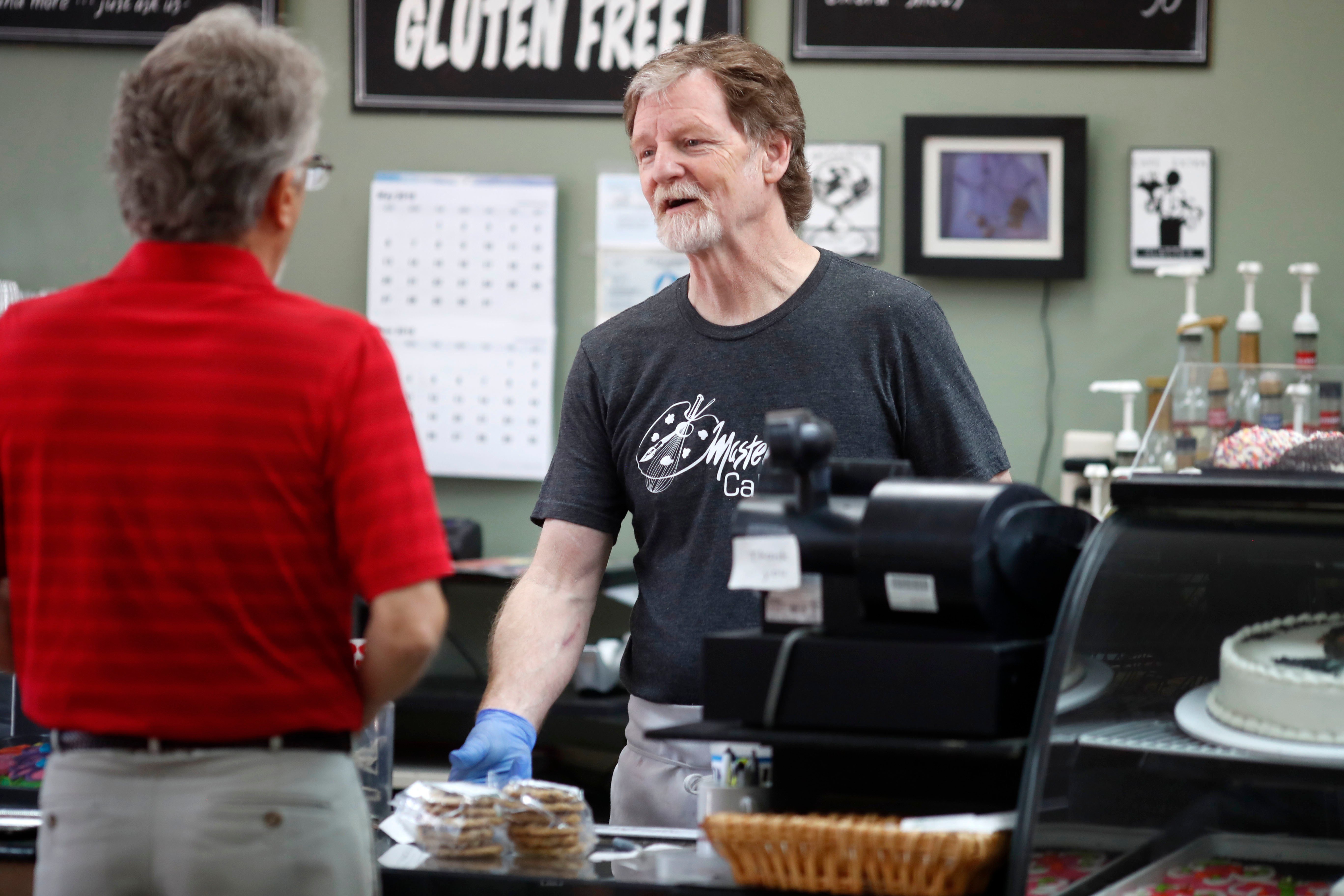
The case draws inevitable comparisons to Masterpiece Cakeshop v. Colorado Civil Rights Commission, where baker Jack Phillips refused to create a custom cake celebrating a same-sex marriage, citing his religious beliefs. Phillips, however, maintained that he would sell any other baked goods to LGBTQ customers, just not a cake that expressed a message contrary to his faith. The Supreme Court ruled narrowly in his favor in 2018, but left the broader conflict unresolved.
In 2023, the Court provided a more definitive answer in 303 Creative v. Elenis, ruling that Lorie Smith, a Christian website designer, could decline to create wedding websites for same-sex couples. Justice Neil Gorsuch wrote that the First Amendment's Free Speech Clause protects the "freedom to think as you will and to speak as you think," a decision that has emboldened those who argue for expansive service refusal rights.
Yet Sheehan's actions go beyond refusing to create a specific expressive product. He is not being asked to craft a pro-life coffee drink; he simply refuses to allow these teenagers to use his shop as a meeting space. This distinction has led some legal observers to note that his conduct is more akin to outright political discrimination, which is not protected under the same free speech principles.
The controversy is not isolated. In Alexandria, Virginia, Fatana Karimi, owner of Karimi Salon, threw out a woman after learning she was Israeli. In a video posted online, Karimi says, "Get out of my shop. I can't provide service to an Israeli. It's against my political beliefs." The Virginia Human Rights Act prohibits discrimination based on national origin, but Karimi may argue she was acting on political beliefs, not ethnicity.
These incidents have exposed a glaring hypocrisy among some on the left, who previously rallied against Phillips and other conservative business owners but now cheer when liberal owners refuse service to those with opposing views. As the political climate grows more polarized, the question of who gets to exclude whom has become a litmus test for free speech.
Critics point out that Sheehan and Karimi are not being forced to create any message they oppose; they are simply denying service to people based on their identity or political stance. This is a far more sweeping rejection than Phillips's, who offered to sell any customer a cake that did not specifically celebrate a same-sex marriage.
Some argue that Sheehan and Karimi are within their rights as private business owners, even if their actions are distasteful. Others contend that the law should protect against political discrimination just as it does racial or religious discrimination. The Supreme Court's decision in 303 Creative may have settled the expressive service question, but it has not resolved the broader issue of when businesses can turn away customers for their views.
For now, Sheehan has apologized for the KKK comparison but not for his refusal. "This is my place of business," he reiterated. The incident has sparked a national debate, with many wondering if the left's embrace of such exclusions will come back to haunt them. As one commentator noted, "Those on the left cannot have it both ways."
The political fallout from these cases is likely to continue, as more business owners assert their right to refuse service based on their beliefs. Whether the courts will draw a clear line between expressive and non-expressive refusals remains to be seen, but the age of rage shows no signs of cooling.