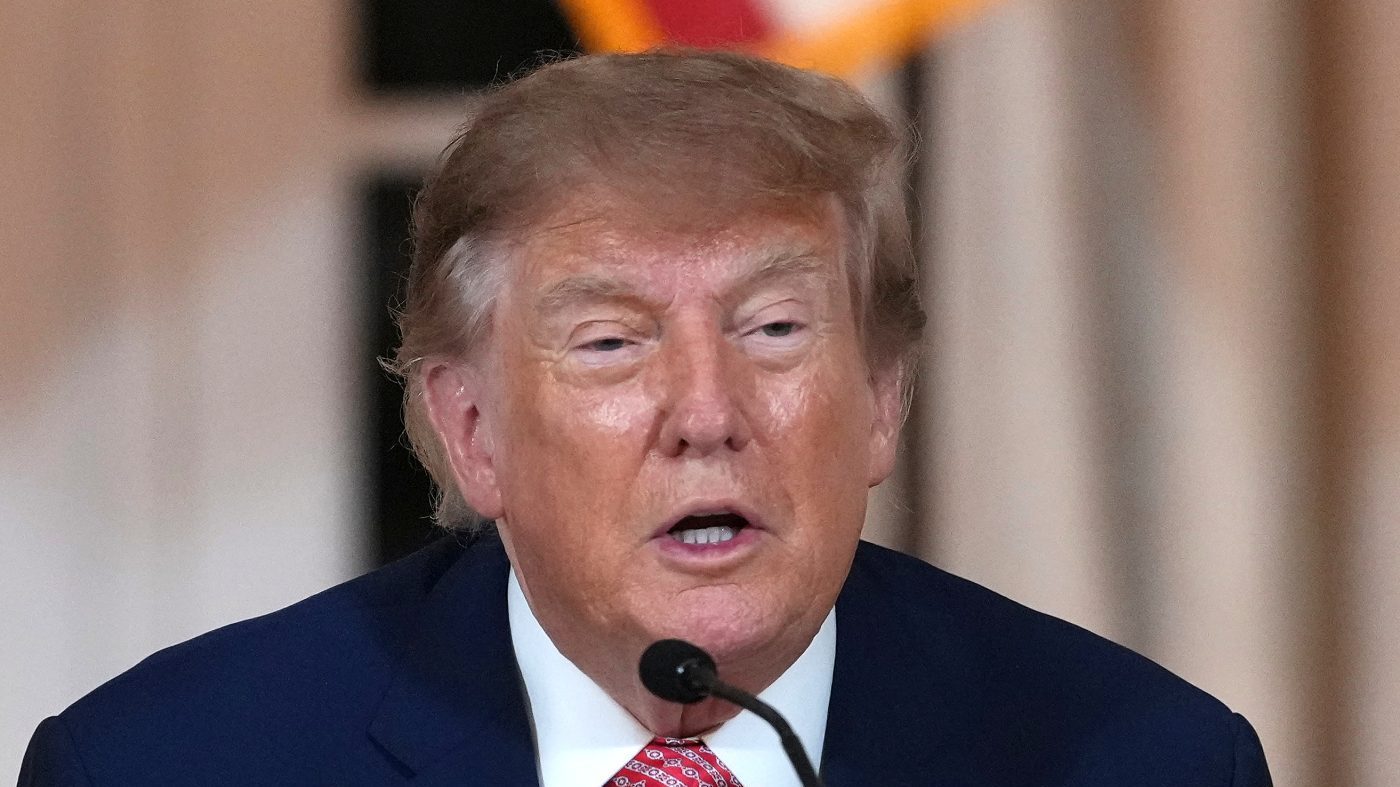
In 2024, the International Brotherhood of Teamsters conducted internal polling that showed roughly 60 percent of its rank-and-file members backed Donald Trump over Kamala Harris. Yet union President Sean O’Brien and the leadership refused to endorse Trump, despite the clear preference of the membership.
The reason for the neutrality was straightforward: Trump rejected O’Brien’s demand that he renounce his past support for Right to Work and pledge to veto any national Right to Work legislation in exchange for an endorsement. Union officials across the country poured hundreds of millions of dollars in members’ dues into stopping Trump, but some, like O’Brien, stayed on the sidelines.
That didn’t stop Trump from winning a significant share of union votes. An April 2025 analysis by the National Institute for Labor Relations Research indicated the Trump-Vance ticket likely carried a majority of private-sector union members in the general election.
Trump didn’t need to abandon his Right to Work stance to win working-class voters. A 2024 RMG Research survey found that roughly four out of five employees—both union and non-union—support the principle that workers shouldn’t be forced to pay union dues to keep their jobs.
But after the election, Trump and his team allowed O’Brien and his inner circle to become stakeholders in labor-policy decisions. That became clear when Politico reported in November 2024 that O’Brien had privately pushed for recently defeated Rep. Lori Chavez-DeRemer (R-Ore.) as a top pick for Labor secretary. Three days later, Trump nominated her.
During her time in Congress, Chavez-DeRemer was one of only three Republicans to co-sponsor the PRO Act, which would have mandated forced union financial support nationwide. Despite her anti-Right to Work record, major business groups like the Chamber of Commerce didn’t formally oppose her. The National Right to Work Committee lobbied against her but failed.
Almost immediately after being sworn in, allegations of unethical conduct emerged. She was accused of taking staffers to a Portland strip club during a work trip, requiring assistants to run personal errands, drinking alcohol in the workplace, and having an extramarital affair with a subordinate.
On April 20, roughly 10 days before a House panel hearing where she would have faced questions about the misconduct, Chavez-DeRemer resigned. By then, Bloomberg’s Daily Labor Report noted that business leaders were refusing to meet with her, fearing they’d be forced into a photo op that could trigger a publicity crisis.
The scandals have been a major PR problem for Trump, giving the media a chance to paint his administration as chaotic. O’Brien, who has since distanced himself from the secretary he helped install, got what he wanted: a Labor chief who supports forced unionism. Mission accomplished.
Allowing a right-to-work-hating union boss to dictate labor policy was a mistake, given that Trump’s base overwhelmingly supports Right to Work. The White House can limit the damage by cutting O’Brien’s stakeholder status immediately.