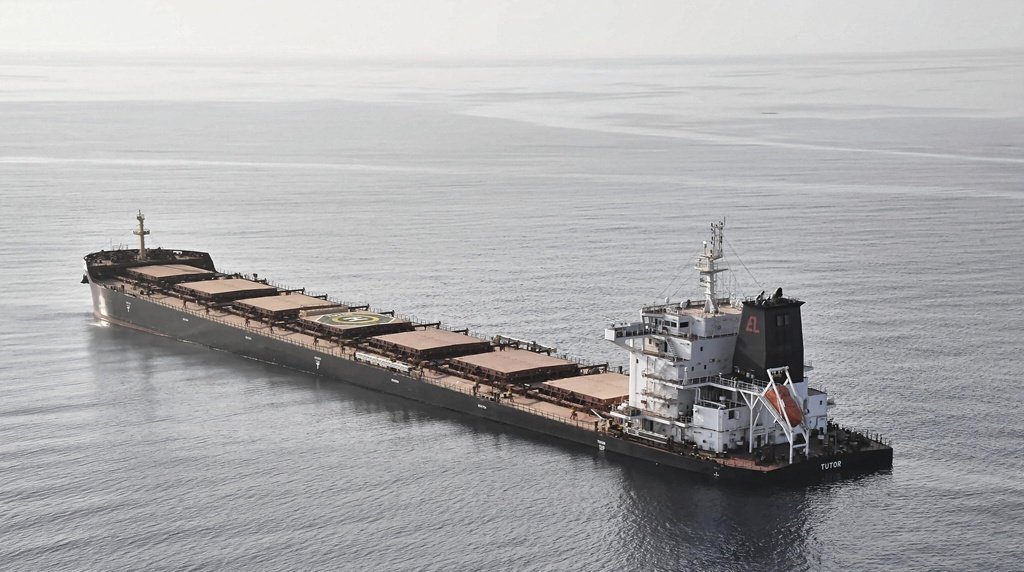
Two oil tankers transporting Saudi crude abruptly reversed their paths in the Red Sea on Tuesday, a day after Yemen's Houthi rebels declared a maritime embargo targeting the kingdom. The vessels, originally bound for China and India, pivoted toward the Suez Canal rather than risk transiting the Bab el-Mandeb strait into the Indian Ocean, according to Reuters.
The diversion comes as the Iranian military continues to restrict shipping through the Strait of Hormuz, a separate choke point that has seen heightened tensions amid renewed U.S.-Iran hostilities. Brent crude prices climbed above $94 per barrel Wednesday morning, reflecting growing supply concerns.
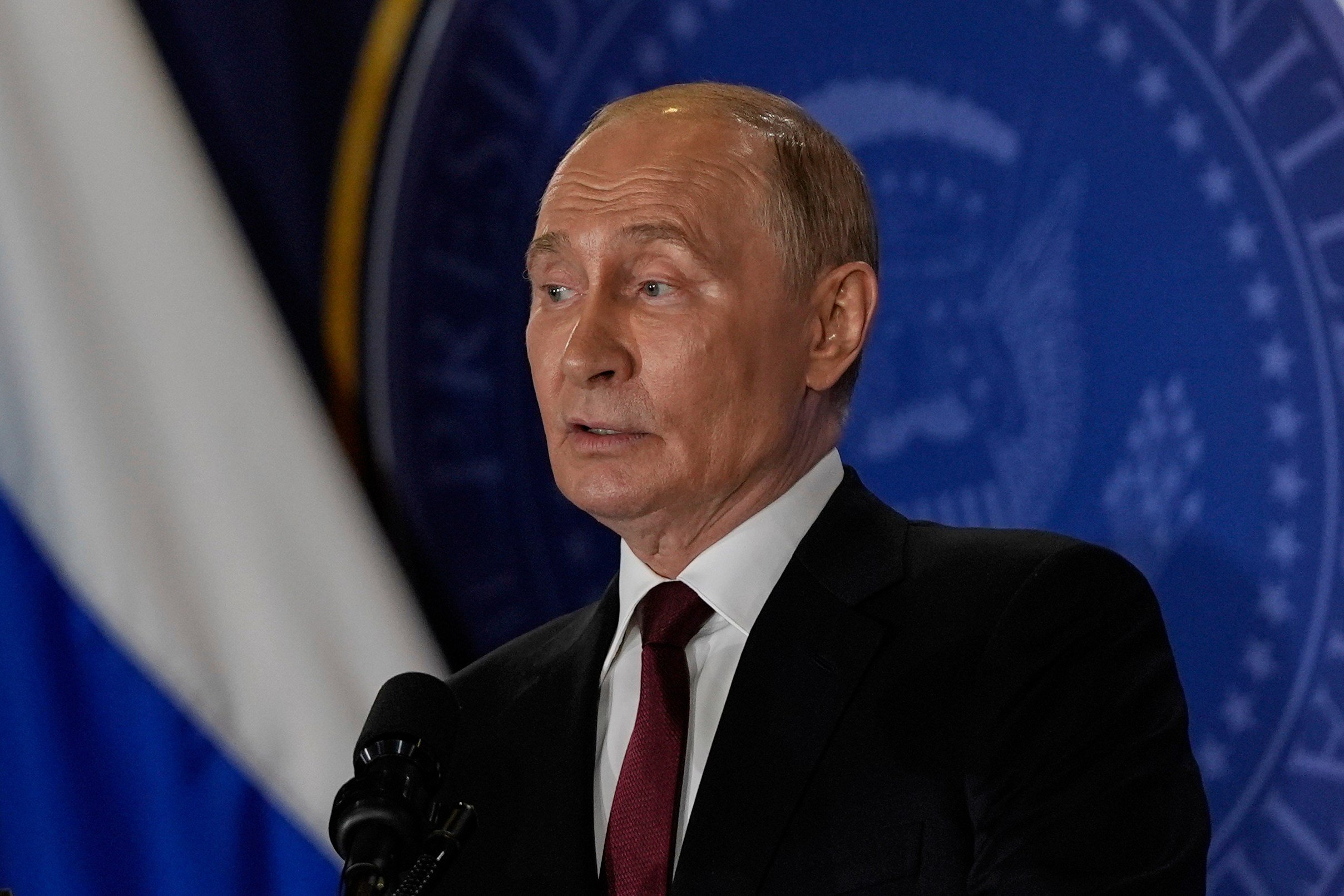
The Houthis, an Iranian-backed group, announced the embargo Monday, framing it as a retaliatory measure. In a statement, the group said the blockade was “based on the equation of ‘an eye for an eye’, effective immediately.” The embargo was triggered by a strike on Sanaa airport in northern Yemen, which the Houthis blamed on Saudi Arabia. However, the internationally recognized, Saudi-backed Yemeni government based in the south claimed responsibility for that attack.
President Trump responded to the Houthi threat on Tuesday, vowing U.S. intervention if the group follows through. Speaking in the Oval Office alongside Lebanese President Joseph Aoun, Trump said, “If something like that happens, we take care of it. You know, we’ve done that with the Houthis before, and we haven’t heard from them in a while since we did what we did originally.” He was referring to a U.S. military campaign against the Houthis from March to May 2025, which he described as “about 45 days of very powerful action.” Those strikes targeted Houthi positions after the group attacked commercial vessels in the Red Sea and Gulf of Aden.
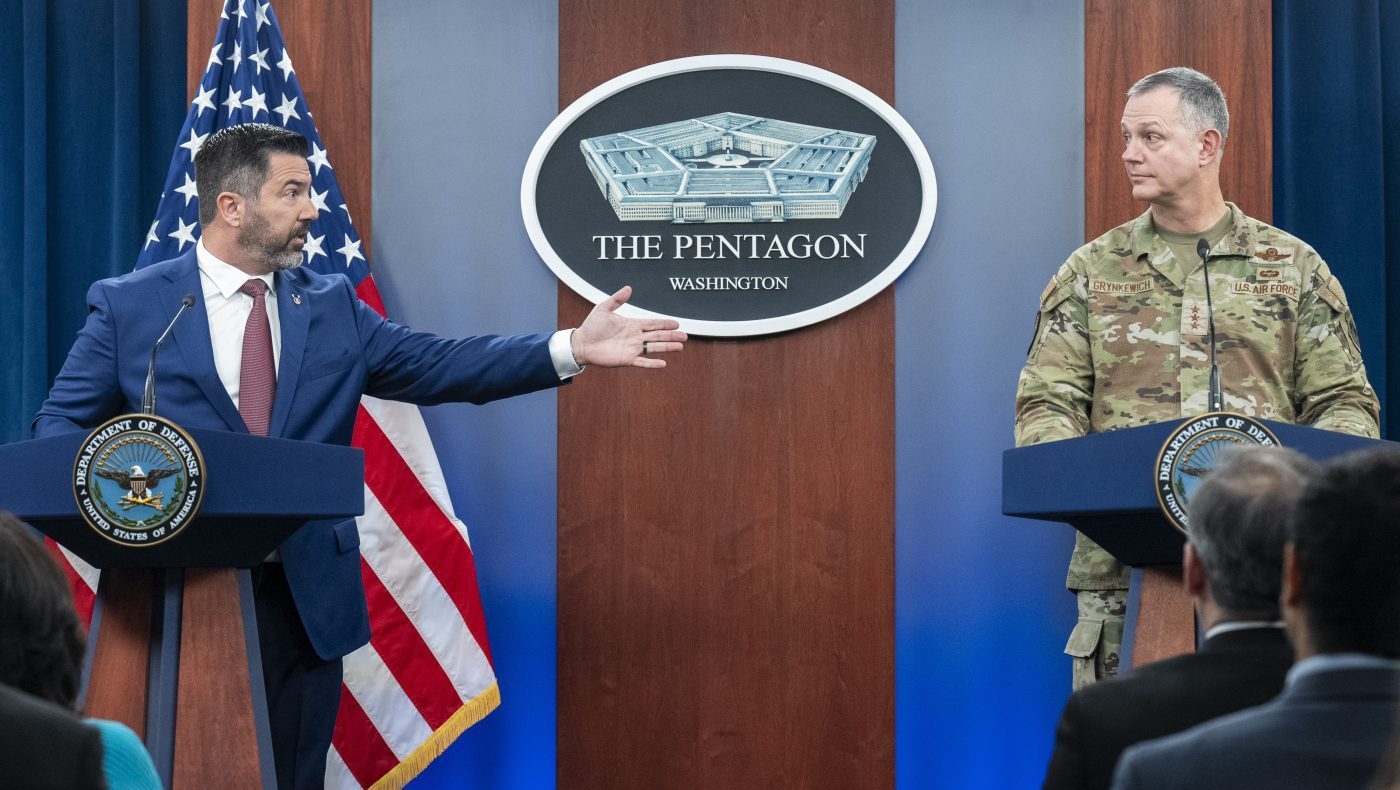
Meanwhile, U.S. Central Command (Centcom) wrapped up its 11th consecutive night of strikes on Tuesday, focusing on Iran-linked targets. Centcom said it hit military operations centers, maritime capabilities, aircraft hangars, drone storage facilities, and logistics infrastructure “to further degrade Iran’s ability to threaten commercial shipping in the Strait of Hormuz.” Since July 6, Iranian forces have attacked at least 12 ships in the waterway, according to the International Maritime Organization.
Trump also repeated a threat on Wednesday to authorize strikes against Iranian civilian infrastructure—a move that would constitute a war crime under international law—if Tehran continues targeting vessels in the Strait of Hormuz. The president has previously escalated rhetoric against Iran, and a recent poll found that 79% of Americans expect a prolonged conflict with Iran as the administration reverses its stance on Hormuz tolls.
The Houthi embargo and ongoing Iranian restrictions are compounding disruptions to global oil flows, with analysts warning of further price volatility. The diverted tankers highlight the fragility of maritime routes in the region, where multiple overlapping conflicts threaten energy supplies.