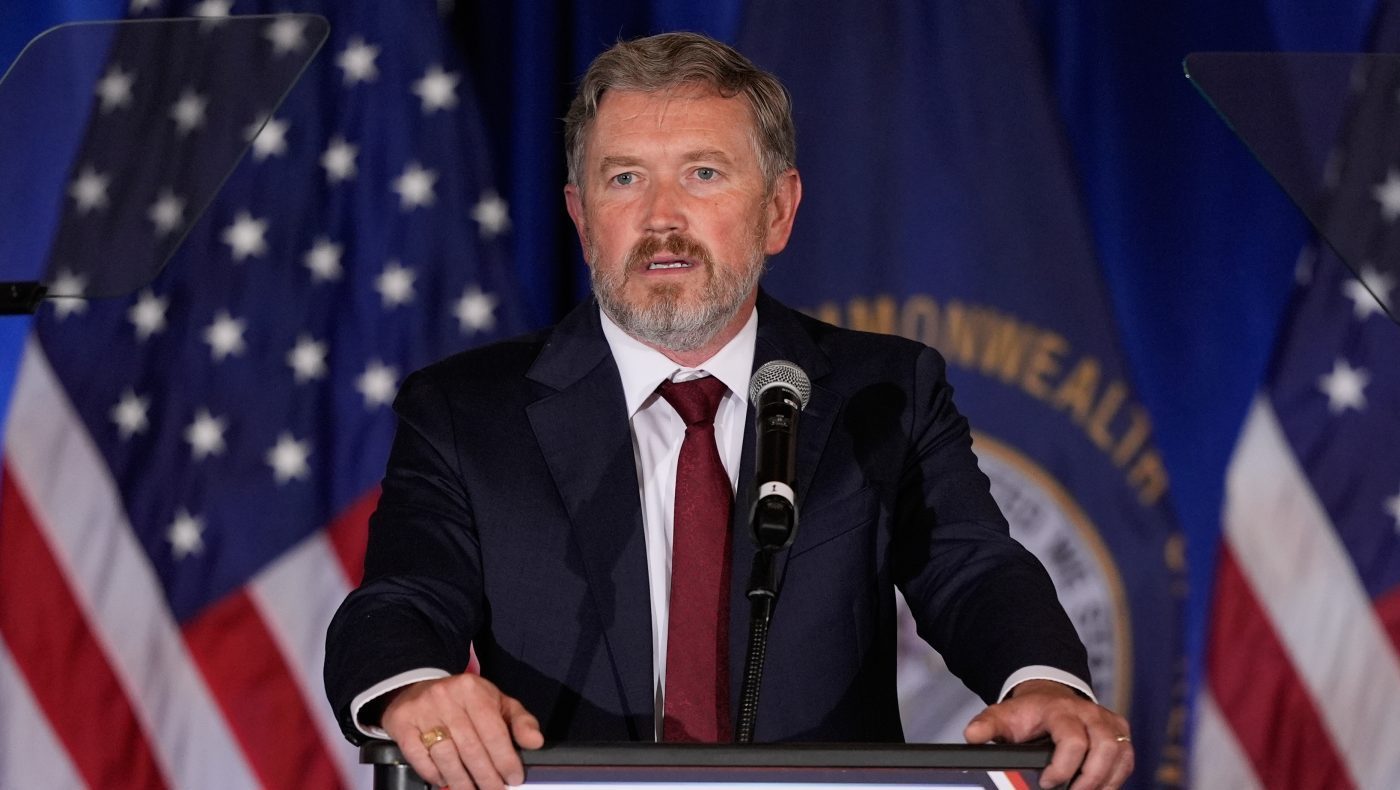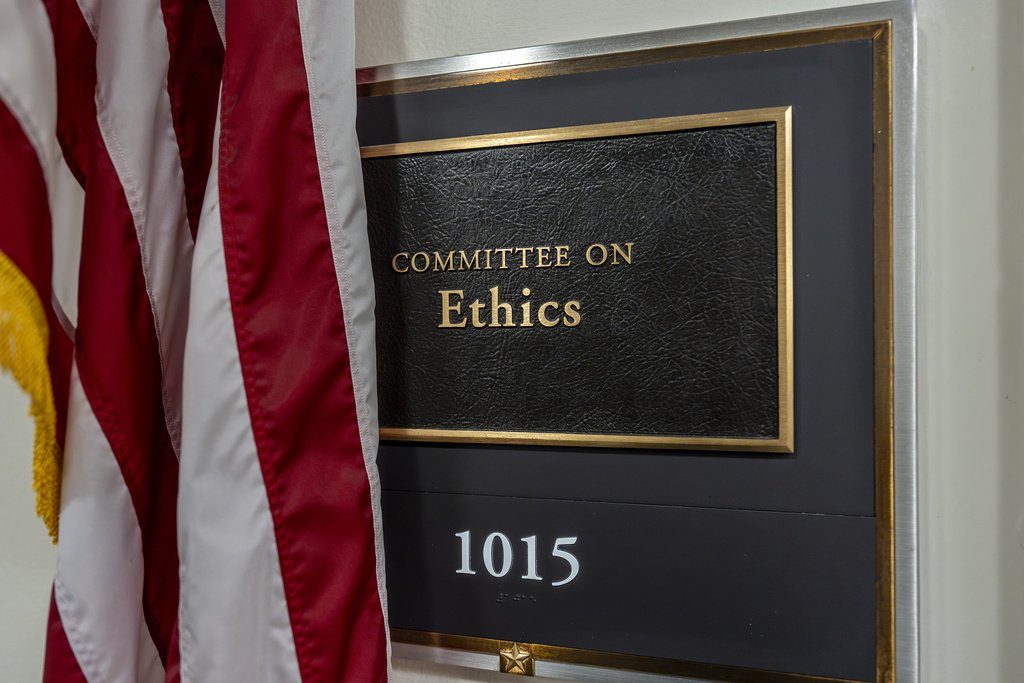
Sexual misconduct remains a persistent problem on Capitol Hill, nearly a decade after the #MeToo movement forced eight lawmakers to resign in 2017. The 119th Congress is seeing a resurgence of scandals, with two members already stepping down in April: Reps. Eric Swalwell (D-Calif.) and Tony Gonzalez (R-Texas). Two others—Reps. Cory Mills (R-Fla.) and Chuck Edwards (R-N.C.)—are under active investigation by the House Ethics Committee for alleged sexual misconduct.
The Ethics Committee has disclosed that since 2017, it has opened 20 investigations into workplace sexual misconduct, though only 15 of those cases have been publicly identified. While such incidents affect a small fraction of the national workforce, they draw outsized public attention when they involve high-profile elected officials. Congress, as a body, reflects both the best and worst of human behavior, and voters often place their representatives on a pedestal of republican virtue—only to see that pedestal shattered by human frailty.
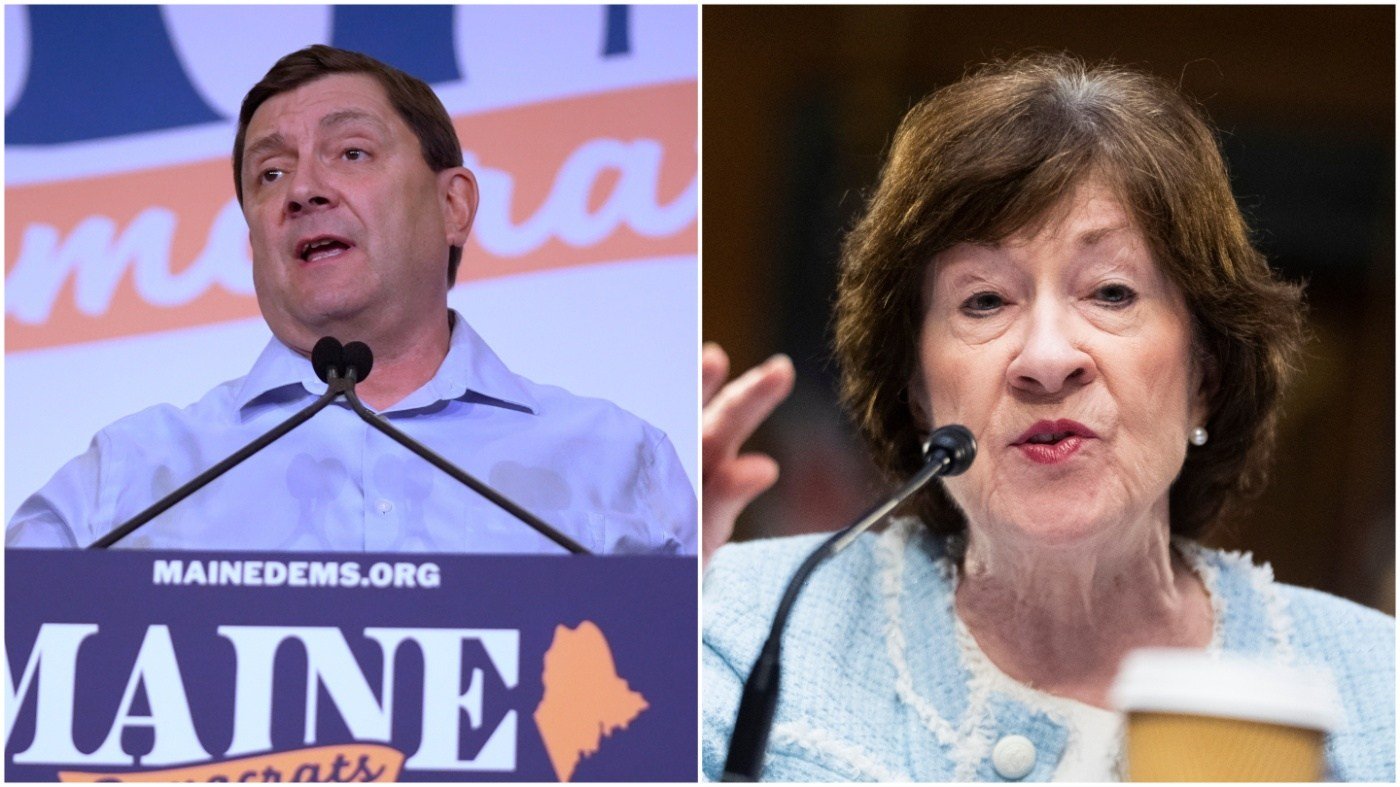
Scandals in Congress tend to recur in cycles, driven by lapses in moral conduct, weak internal enforcement, or media focus on sensational stories. The current wave is bookended by the Jeffrey Epstein disclosures and the downfall of Maine Democratic Senate candidate Graham Platner, though neither has directly implicated sitting members. Nevertheless, the intense scrutiny is shaping the upcoming midterm elections, with both parties poised to exploit any hint of scandal for partisan gain.
Reform efforts have been a recurring theme. The scandals of the 1980s and early 1990s—both sexual and financial—led to the Republican takeover of the House in 1995 under Speaker Newt Gingrich and the “Contract with America.” A key reform was the Congressional Accountability Act, which applied workplace discrimination, harassment, and sexual abuse laws to Congress. That bill passed the House 429-0 on Jan. 4, 1995.
On June 30, Rep. Thomas Massie (R-Ky.) introduced a privileged resolution directing the Ethics Committee and the Office of Congressional Workplace Rights to publicly release a list of members investigated for sexual harassment or abuse, along with related settlements and taxpayer-funded payments. The resolution passed 420-0, with eight Republicans and two Democrats not voting, and Rep. Nancy Mace (R-S.C.) voting “present.” Congress had ended the practice of covering settlement costs for members in 2018, and the Ethics Committee says it has not been notified of any awards or settlements since then. Mace dismissed the move as “political theater,” noting that the information had already been provided under a subpoena by the Oversight Committee. That subpoena revealed the government paid over $300,000 to settle claims against members and their offices.
Both the Congressional Progressive Staff Association and a group of Republican women are now pushing for stronger accountability, calling for new rules and statutory changes to increase transparency and enforcement. Because current cases involve members of both parties, they are unlikely to sway midterm results in a partisan direction. Instead, the scandal is more personal than partisan, but Congress still faces pressure to overhaul its ethics process.
Don Wolfensberger, a 28-year congressional staff veteran and former chief of staff of the House Rules Committee, notes that the cycle of scandal and reform is a recurring feature of congressional life. The challenge remains to build a system that prevents misconduct and restores public trust.