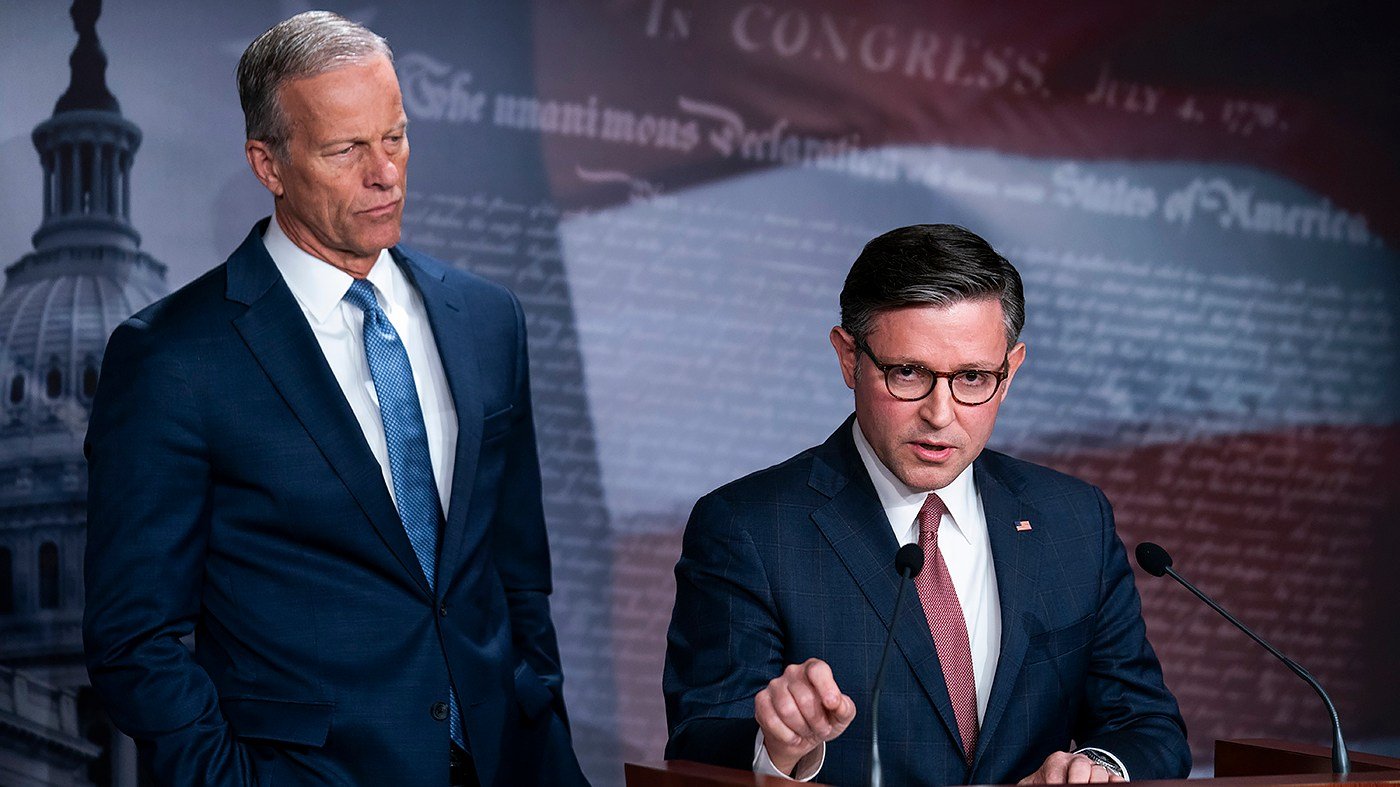
The U.S. House of Representatives passed a temporary funding measure for the Department of Homeland Security late Friday, creating a new legislative stalemate as a partial government shutdown enters its seventh week. The House bill, which Speaker Mike Johnson advanced by dismissing a rival Senate-passed version as "a joke," represents a stopgap solution rather than full-year appropriations.
Both chambers have now adjourned for a two-week recess, leaving the funding crisis unresolved. The Senate had passed its own DHS funding legislation unanimously in the early hours of Friday, setting up a direct conflict between the two bodies. This legislative dysfunction has contributed to what observers note is a record number of congressional retirements.
Amid the shutdown, President Donald Trump intervened Friday by signing a memorandum directing DHS to process paychecks for Transportation Security Administration officers. This move could see TSA personnel paid as soon as Monday, attempting to mitigate one of the shutdown's most visible public impacts. The administration has faced mounting pressure as airport security operations show increasing strain nationwide.
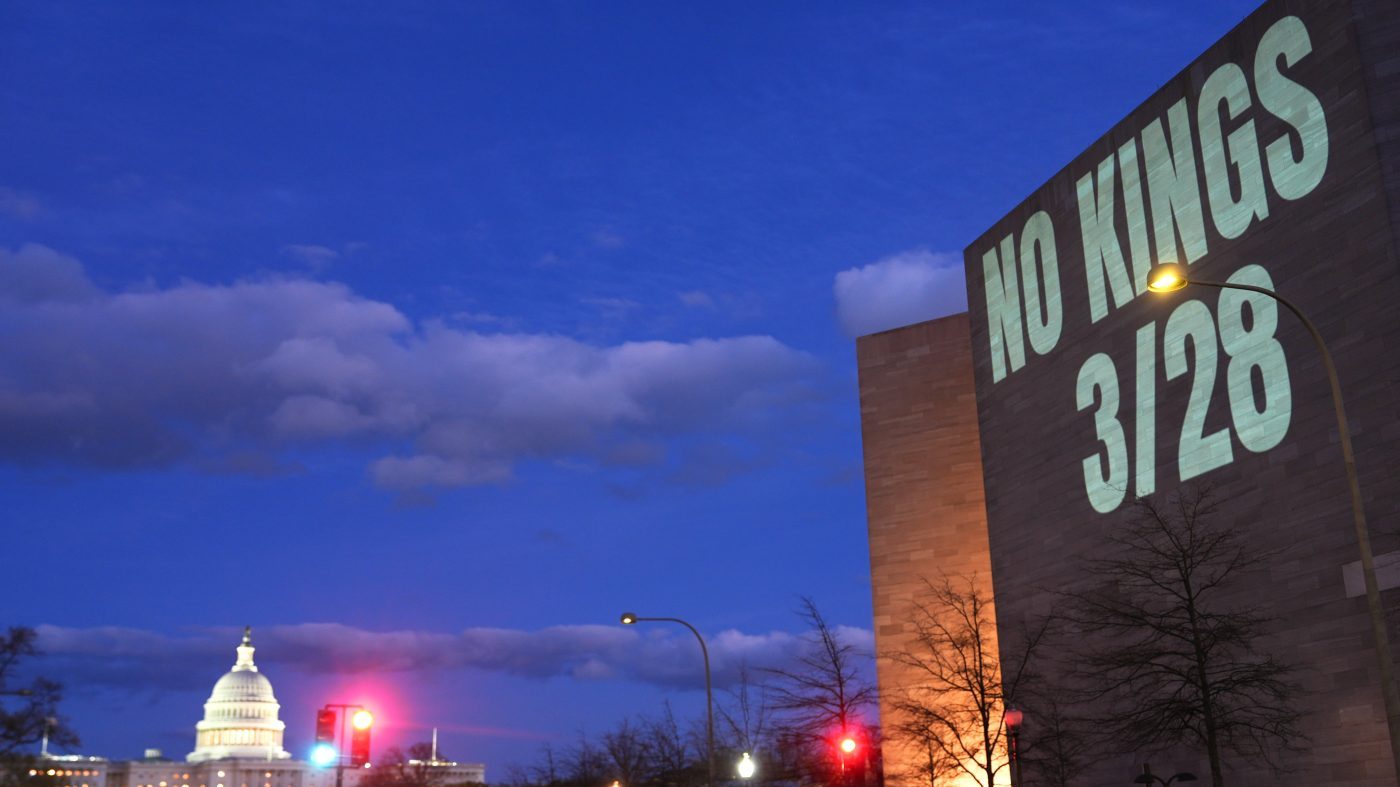
The political standoff in Washington coincides with the expected third round of massive "No Kings" protests across the country since Trump's return to office. Demonstrators are mobilizing against what they characterize as authoritarian tendencies in the administration, with particular focus on immigration enforcement and foreign policy. Minnesota, where two fatal shootings involving federal officers occurred earlier this year, is expected to be a central location for the demonstrations, with figures like musician Bruce Springsteen reportedly participating.
House Democratic Leader Hakeem Jeffries has publicly accused Speaker Johnson of deliberately prolonging the DHS shutdown to satisfy conservative elements within his conference. This accusation highlights the deep partisan divisions driving the funding impasse, with homeland security becoming entangled in broader political battles over immigration and executive power.
The "No Kings" movement specifically targets the administration's policies toward Iran and its aggressive immigration enforcement operations. The protests represent a significant mobilization of opposition at a moment when the administration is exercising considerable executive authority, as seen with the president's intervention on TSA pay. Minnesota Governor Tim Walz has announced he will join the demonstrations and continue challenging federal immigration actions in his state.
The convergence of a prolonged government shutdown, unilateral executive action to address its consequences, and large-scale public protests presents a stark portrait of American political conflict. The DHS funding battle has exposed fundamental disagreements over congressional appropriations power versus executive emergency authority, while the protests channel broader public discontent with the administration's direction.
As Congress remains in recess for two weeks, the temporary House bill does little to resolve the underlying disputes that have kept portions of the government shuttered for nearly two months. The situation leaves critical homeland security functions operating under patchwork funding and heightened political tension, with no clear path to a permanent resolution in sight.