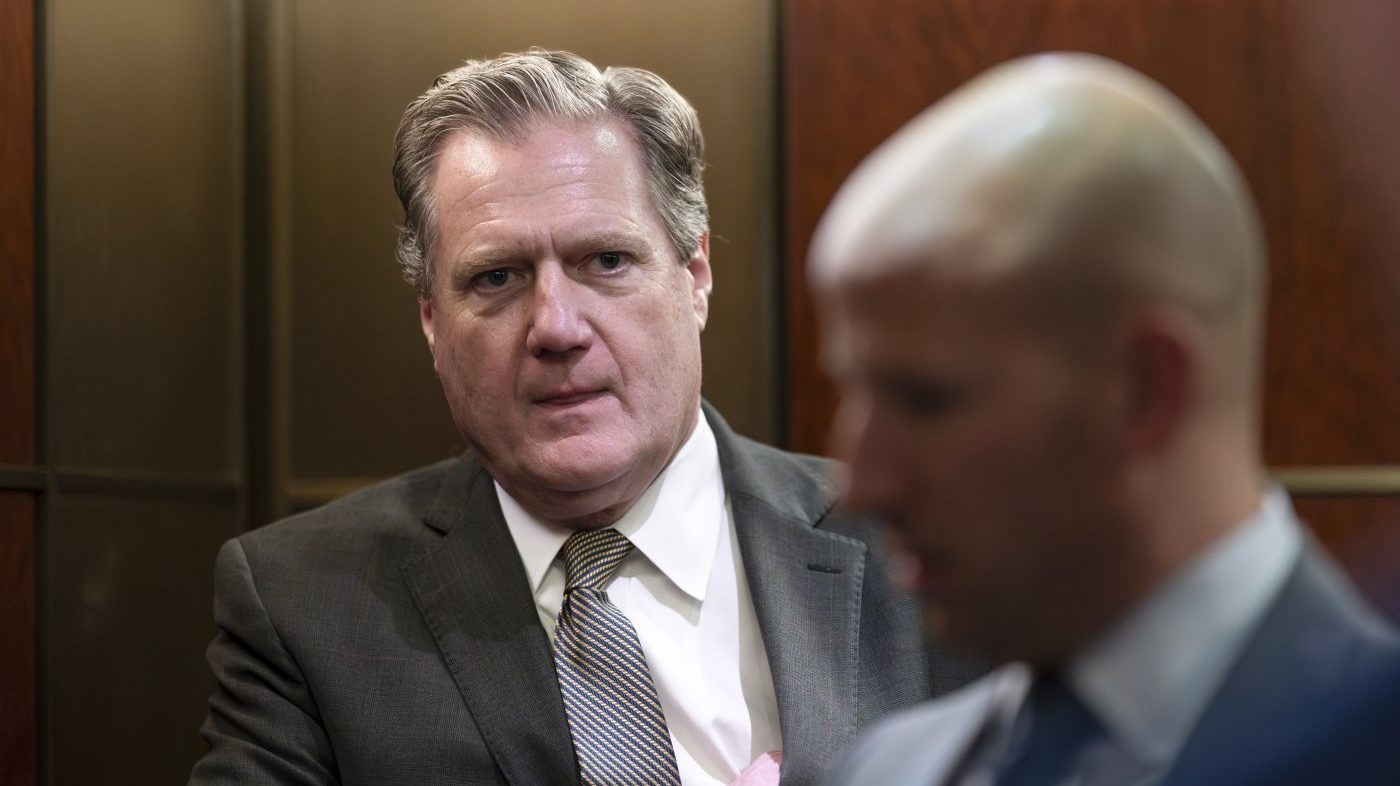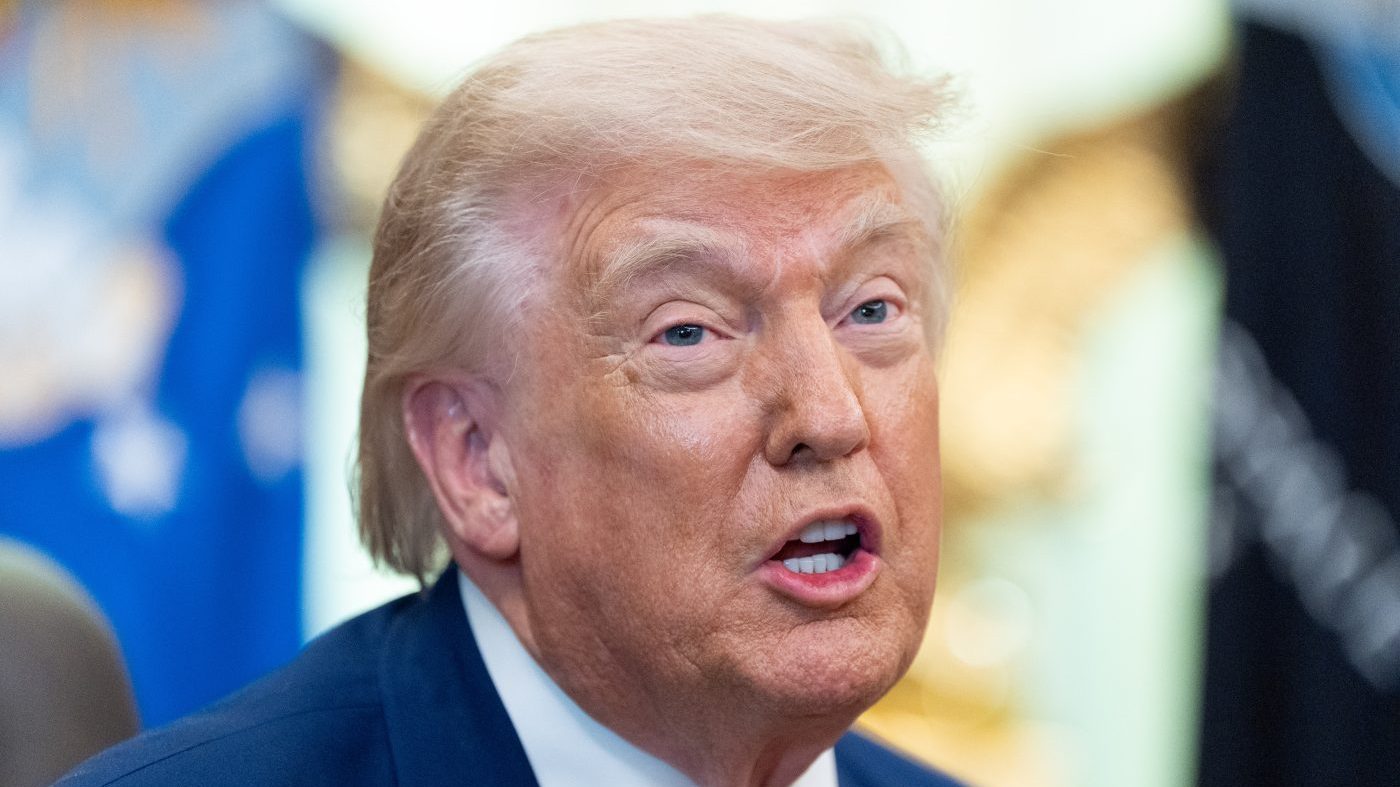
The House on Wednesday approved a war powers resolution aimed at compelling President Trump to terminate U.S. military engagement with Iran, a move the president immediately dismissed as politically driven and legally toothless. The measure passed 215-208, with four Republicans breaking ranks to support it alongside all 211 Democrats present.
Trump took to Truth Social on Thursday to denounce the vote, writing that “in a meaningless vote, the House voted, 4 bad Republicans and all of the Dumocrats, to limit my War Powers, right in the middle of my final negotiations to end the War with the Islamic Republic of Iran.” He labeled the four GOP defectors—Reps. Thomas Massie (Ky.), Brian Fitzpatrick (Pa.), Tom Barrett (Mich.), and Warren Davidson (Ohio)—as “grandstanders” who “should be ashamed of themselves.” The president also accused Democrats of being “fueled by Trump Derangement Syndrome.”
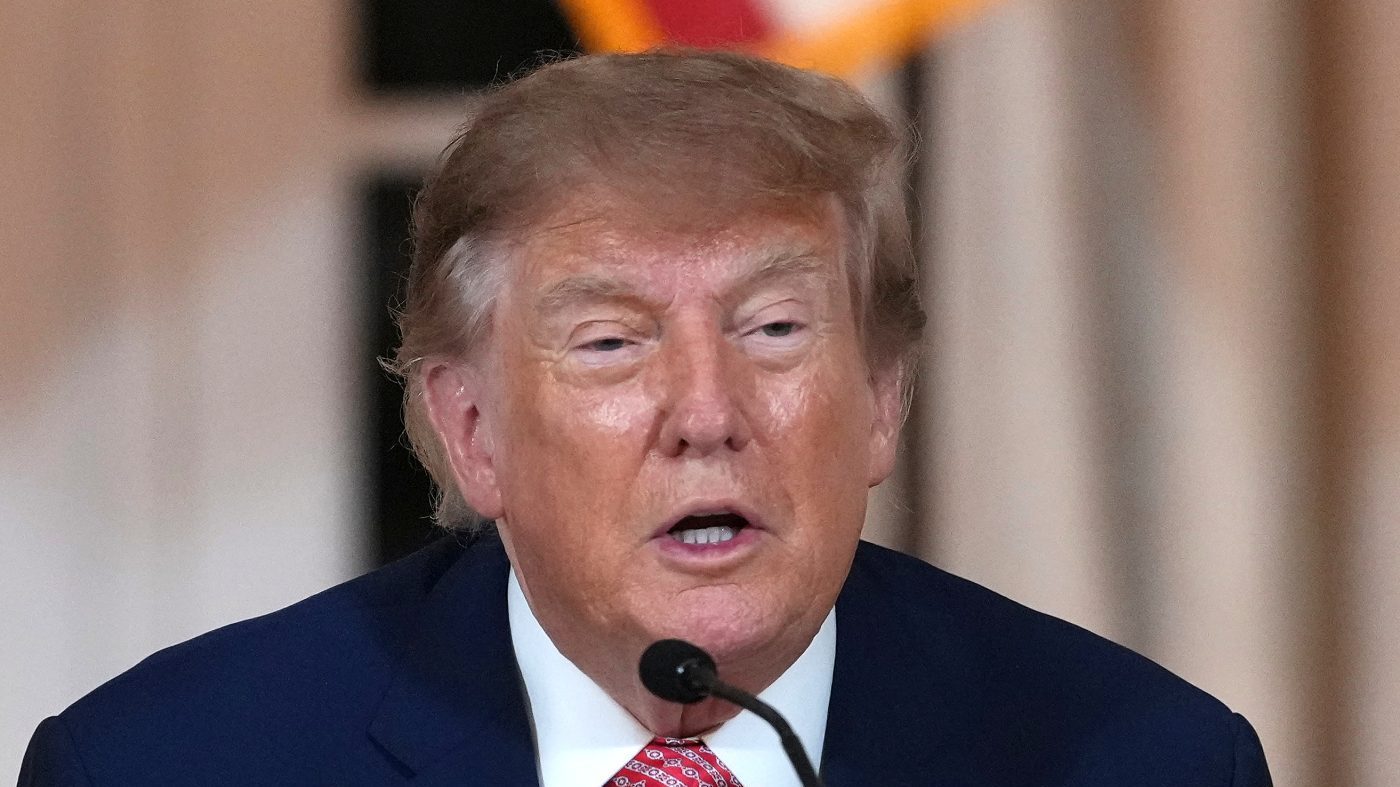
The resolution comes amid broad public skepticism about the conflict. A recent New York Times/Siena College poll found that 64 percent of Americans believe the U.S. was wrong to join Israel in launching strikes against Iran. The war has become a central political liability for the administration, with opposition mounting even within Trump’s own party.
Senate action is expected after the Juneteenth federal holiday. Last month, the Senate Foreign Relations Committee voted 50-47 to discharge a companion war powers resolution, with four Republicans—Sens. Bill Cassidy (La.), Susan Collins (Maine), Lisa Murkowski (Alaska), and Rand Paul (Ky.)—joining all Democrats except Sen. John Fetterman (Pa.).
Sen. Tim Kaine (D-Va.), the resolution’s sponsor, said after Wednesday’s House vote that he will “continue pushing” his Senate colleagues “to end this unnecessary and costly war when my War Powers Resolution comes up for its next vote soon.”
Even if the Senate passes the measure, Trump is expected to challenge it. The administration has long argued that the War Powers Act of 1973—which grants presidents 60 days to conduct military operations without congressional approval, plus a 30-day extension—is unconstitutional. Secretary of State Marco Rubio reinforced that stance at a White House press briefing last month, stating, “The War Powers Act is unconstitutional, 100 percent.” Rubio noted that every president since the law’s passage has taken the same position.
The House vote highlights deepening fissures within the Republican Party over the Iran war. For context, see our coverage of four House Republicans breaking ranks to back the Iran war powers resolution. Meanwhile, the administration’s broader foreign policy strategy faces headwinds, as Iran hardliners defy Trump as ceasefire teeters on brink of collapse.
The White House has not indicated whether it would comply with a congressional directive to end hostilities, setting the stage for a potential constitutional showdown between the executive and legislative branches.