Twenty-five years after the September 11 attacks, the U.S. government has yet to fully enact key immigration-related security measures recommended by the bipartisan 9/11 Commission, according to a new report from the House Permanent Select Committee on Intelligence.
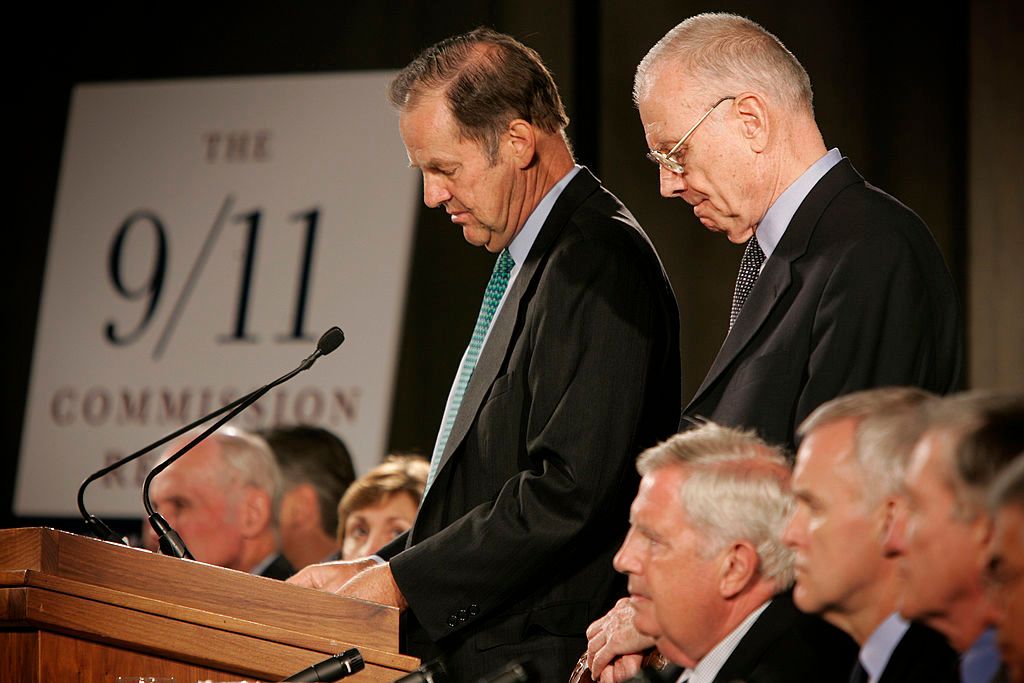
The commission, created by Congress in late 2002, released its findings in 2004, identifying systemic failures in border security and immigration that allowed the hijackers to enter the country. On the anniversary of the attacks in 2025, committee Chairman Rick Crawford (R-Ark.) and ranking member Jim Himes (D-Conn.) launched a review to assess progress and gaps. After nearly a year of public and closed-door hearings, the committee issued its own report, offering a roadmap for finally completing the unfinished work.

Key recommendations still unmet
The committee’s report highlights four areas requiring immediate attention. First, it calls for a higher standard of identity verification for travelers. The original commission found that 15 of the 19 hijackers might have been intercepted had border officers more rigorously examined their travel documents and patterns. The report notes that many entered on visitor or student visas, and that even without flagging them as terrorists, they could have been denied entry for failing to prove their nonimmigrant status.
Second, the report urges completion of a biometric entry-exit system. While air, sea, and pedestrian ports have implemented entry biometrics, gaps remain for vehicle entries and exit tracking. The committee suggests that advances in facial recognition and artificial intelligence could make a fully operational system more feasible today than when the commission first recommended it.
Data sharing and interagency cooperation
Third, the committee stresses the need for interoperable databases across immigration, law enforcement, and intelligence agencies. Although progress has been made within the intelligence community, sharing with federal agencies outside that circle remains inadequate. The commission originally proposed a decentralized network to allow officers across agencies to access relevant reports while protecting classified information.
Fourth, the report recommends mission-centered interagency task forces for immigration-related national security cases, rather than agency-owned programs. This would foster closer cooperation between intelligence and border security agencies, a key commission recommendation that remains underdeveloped.
The report’s release comes amid broader debates over post-9/11 security reforms. Some lawmakers have warned that recent policy shifts are reversing earlier gains, while others point to new challenges such as evolving terrorist travel methods and the rise of AI-enabled fraud. The committee’s findings echo concerns raised by security veterans about the need to reinforce democratic institutions and civic resilience.
“The government does not need another commission to identify weaknesses in border security,” the committee report concludes. “It just needs to finish the work already recommended.”