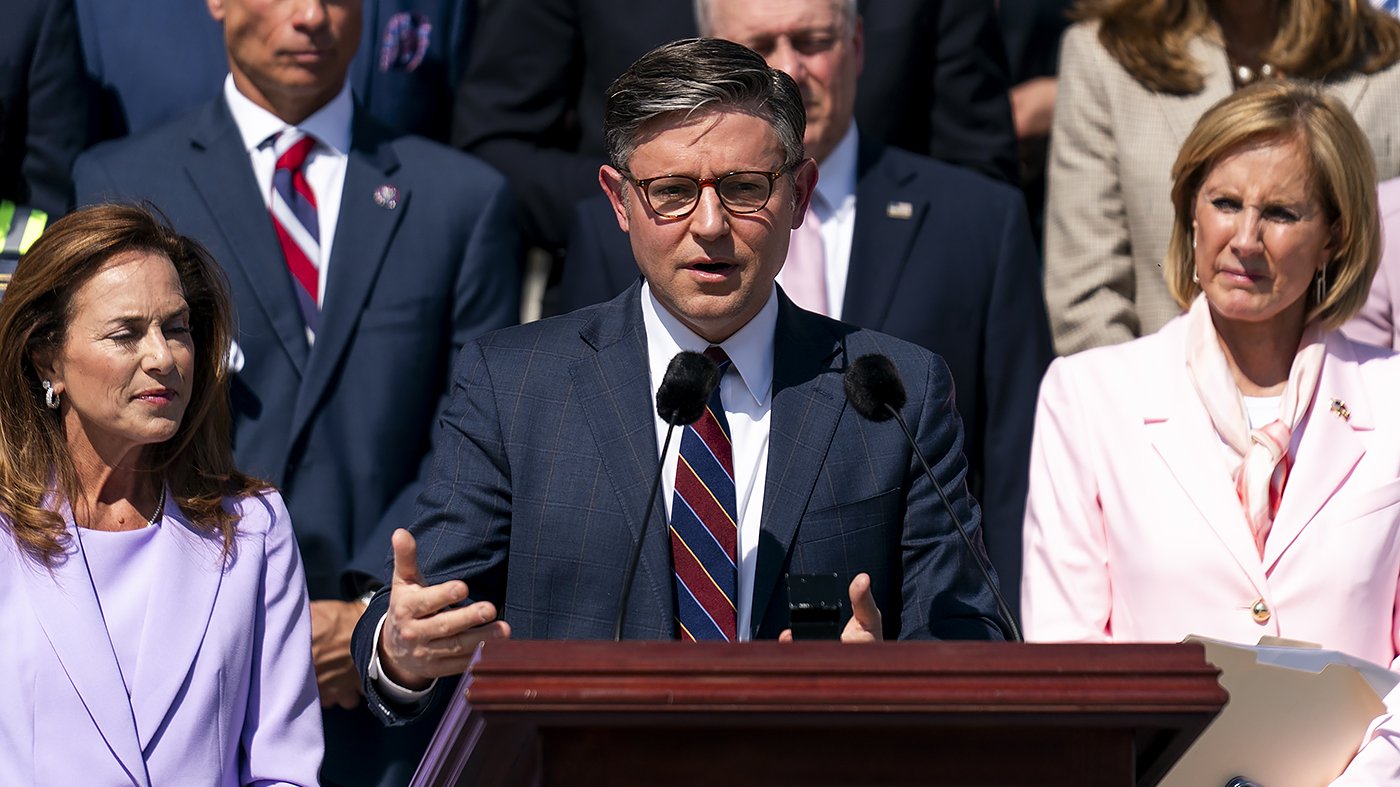
Late-Night Compromise Averts GOP Rebellion on Surveillance
House Republican leadership has secured a fragile, last-minute agreement with conservative rebels to reauthorize the nation's premier foreign intelligence surveillance tool, Section 702 of the Foreign Intelligence Surveillance Act (FISA), for five years. The breakthrough, which includes a new warrant requirement and enhanced criminal penalties for violations, came after hours of tense negotiations and was posted publicly just before 11 p.m. on Thursday night.
The deal sets the stage for a late-night or early-morning vote in the House, which had already delayed a scheduled procedural vote by roughly seven hours. Lawmakers are now expected to amend the procedural rule on the floor and proceed to final passage, racing against a Monday expiration deadline for the surveillance authority.

Trump's Push for 'Clean' Reauthorization Rejected
The compromise emerged despite former President Donald Trump's public push for an 18-month "clean" reauthorization of Section 702 without any of the reforms demanded by privacy advocates and a significant bloc of his own party. Members of the House Freedom Caucus and other GOP hardliners had refused to support such a measure, creating a standoff with Speaker Mike Johnson and his leadership team.
This internal GOP conflict over executive power and surveillance is not isolated. It echoes recent party fractures on other national security matters, such as when House Republicans blocked a war powers resolution aimed at curbing presidential authority over military action in Iran, a move later mirrored in the Senate.
Mixed Messages from Closed-Door Meeting
Emerging from a late-night meeting in the Capitol, leaders and holdouts gave conflicting assessments of the deal's viability. Some lawmakers expressed optimism that the revised text would pass, while others cautioned that the agreement was not yet final and had not been fully accepted by all factions within the conference.
The eleventh-hour negotiations underscore the deep divisions within the Republican Party over the balance between national security and civil liberties. The inclusion of a warrant requirement represents a significant concession to reformers, who have long argued that the intelligence community's ability to query data collected on foreigners for information about Americans without a warrant constitutes a backdoor search loophole.
This legislative scramble occurs as the Democratic leadership simultaneously manages internal party fallout unrelated to the FISA debate, highlighting the complex political dynamics at play. The enhanced criminal penalties for misuse of the 702 database are aimed at addressing bipartisan concerns over past compliance violations documented by the Foreign Intelligence Surveillance Court.
Broader Context of Executive Authority Debates
The FISA 702 debate is part of a larger, ongoing struggle in Congress over the scope of executive branch power, particularly in the realms of surveillance and military engagement. The GOP's internal debate mirrors tensions seen in other areas, such as the defense of civilian authority over military leadership during recent personnel controversies.
With the text now public, lawmakers and advocacy groups are parsing the details of the warrant provision, which is likely to be the most contentious element. The outcome of the late-night vote will determine not only the future of a critical intelligence tool but also signal whether the Republican majority can coalesce around a unified national security agenda ahead of the November elections.