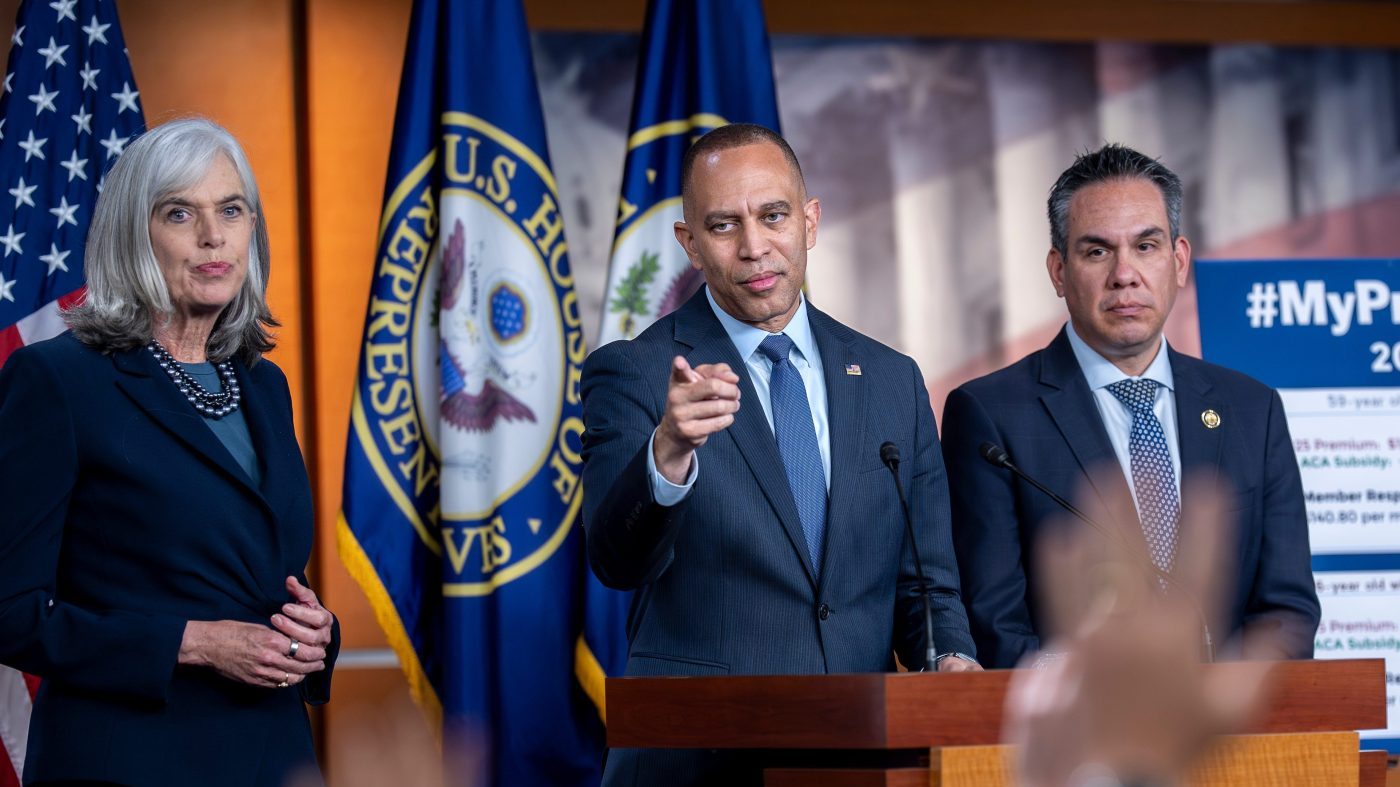
Top House Democrats will face reporters Wednesday morning, forced to address the political and ethical fallout from the resignation of California Representative Eric Swalwell. The congressman stepped down Tuesday following a cascade of sexual misconduct allegations that prompted a swift retreat by his party colleagues and the end of his gubernatorial campaign.
Swalwell's departure marks a significant moment for Democrats, who had increasingly pressured the former rising star to relinquish his seat and abandon his bid to replace Governor Gavin Newsom. His exit from the race, where he was considered a leading contender, underscores the party's continued struggle with accountability in the post-#MeToo era. This development is part of a broader congressional reckoning over misconduct allegations that has seen multiple members depart under pressure.
The scheduled press conference, set for 11:30 a.m. Eastern, comes as the Los Angeles District Attorney's office has confirmed an active criminal investigation into the allegations against Swalwell. At least five accusers have come forward with detailed accounts, including one who alleges Swalwell drugged and raped her in a 2018 hotel incident, as detailed in a recent report.
Legislative Agenda Overshadowed
The political drama unfolds against a critical legislative backdrop. The House is scheduled to vote Wednesday afternoon on Republican-led efforts to reauthorize Section 702 of the Foreign Intelligence Surveillance Act (FISA). This controversial provision permits the U.S. government to conduct warrantless surveillance on foreign nationals located outside the country, a tool intelligence agencies describe as vital for national security but that privacy advocates argue risks Americans' constitutional rights.
The FISA debate represents a classic clash between security imperatives and civil liberties, with lawmakers from both parties historically divided. The vote will test House Speaker Mike Johnson's ability to navigate internal GOP tensions while managing a narrow majority, all while the Swalwell scandal consumes political oxygen on the other side of the aisle.
Democratic Damage Control
For Democratic leaders, the press conference represents an attempt to control the narrative and demonstrate party discipline following a damaging episode. Many Democrats had publicly and privately urged Swalwell to step aside, seeking to distance the party from the allegations. The swiftness of his political collapse—from gubernatorial frontrunner to resigned congressman in a matter of weeks—has left a vacuum in California politics and raised questions about vetting processes within the party.
Some reactions have been particularly pointed. Arizona Representative Ruben Gallego, a former ally, has publicly denounced Swalwell, claiming he was manipulated by what he described as the former congressman's 'double life.' Meanwhile, other Democrats facing ethics scrutiny, like Representative Michael Mills, have been quick to distinguish their situations from Swalwell's, insisting they are 'not in the same category.'
The scandal has also fueled partisan attacks, with Republican lawmakers like Representative Max Miller accusing Democratic leadership of maintaining so-called 'blackmail files' to control caucus members, a charge detailed in a recent investigative piece.
As Democratic leaders prepare their remarks, they must balance condemnation of the alleged misconduct with a defense of their party's standards and processes. The event will likely emphasize accountability while attempting to pivot to policy priorities, including the impending FISA vote and other legislative business. However, the shadow of the Swalwell resignation—and the serious criminal investigation that continues—will dominate the questions from the press corps and define this chapter of the 118th Congress.