Late-Night Rebellion Stalls Critical Surveillance Authority
In a dramatic pre-dawn vote, House Republican leaders saw their carefully negotiated plan to renew the nation's foreign intelligence surveillance authorities collapse as members of their own conference joined Democrats to block the measure. The failed vote, occurring just after 1:15 a.m. Friday, leaves Section 702 of the Foreign Intelligence Surveillance Act in legislative limbo with its authorization set to expire.
The defeated amendment would have extended the controversial surveillance program for five years while incorporating what leadership described as significant reforms. These changes were specifically designed to address concerns from privacy advocates and conservative members who have long criticized the program's potential for warrantless searches of Americans' communications. The bill text, revealed only hours before the scheduled vote, followed two days of intense closed-door negotiations between leadership and skeptical members.

A Coalition of Unlikely Opponents
Opposition emerged from two distinct factions within the Republican conference. The first consisted of right-wing members who argued the proposed reforms did not go far enough to protect civil liberties, despite having participated directly in the negotiations. The second group included several members of the House Intelligence Committee who favored a straightforward reauthorization without additional restrictions, believing the compromise package weakened essential intelligence capabilities.
This internal division created a rare alignment where 12 Republicans voted alongside nearly the entire Democratic caucus to defeat the rule governing debate on the extension. The final tally stood at 200 in favor to 220 opposed, effectively killing the leadership's proposal. Moments later, a separate procedural vote to advance a clean 18-month reauthorization also failed to secure sufficient support, though Republican leaders held the vote open in an apparent attempt to pressure members.
The collapse highlights the persistent tensions within the GOP regarding national security powers and privacy rights, a debate that has intensified since the previous attempts to reform the surveillance apparatus. It also reflects broader institutional struggles, reminiscent of conflicts seen during debates over executive war powers.
Unclear Path Forward for Surveillance Program
With both the compromise package and a clean reauthorization now blocked, the legislative path to renew Section 702 remains entirely unclear. The program, which allows intelligence agencies to collect communications of non-Americans located outside the United States, has been criticized for incidentally sweeping up Americans' data without a warrant. Intelligence officials maintain it is indispensable for counterterrorism and counterintelligence operations.
Some members had previously suggested a short-term, two-month extension as a fallback option to provide more time for negotiations. However, no formal proposal for such a stopgap measure emerged immediately following the failed votes. The legislative impasse creates operational uncertainty for intelligence agencies that rely on the authority for ongoing investigations.
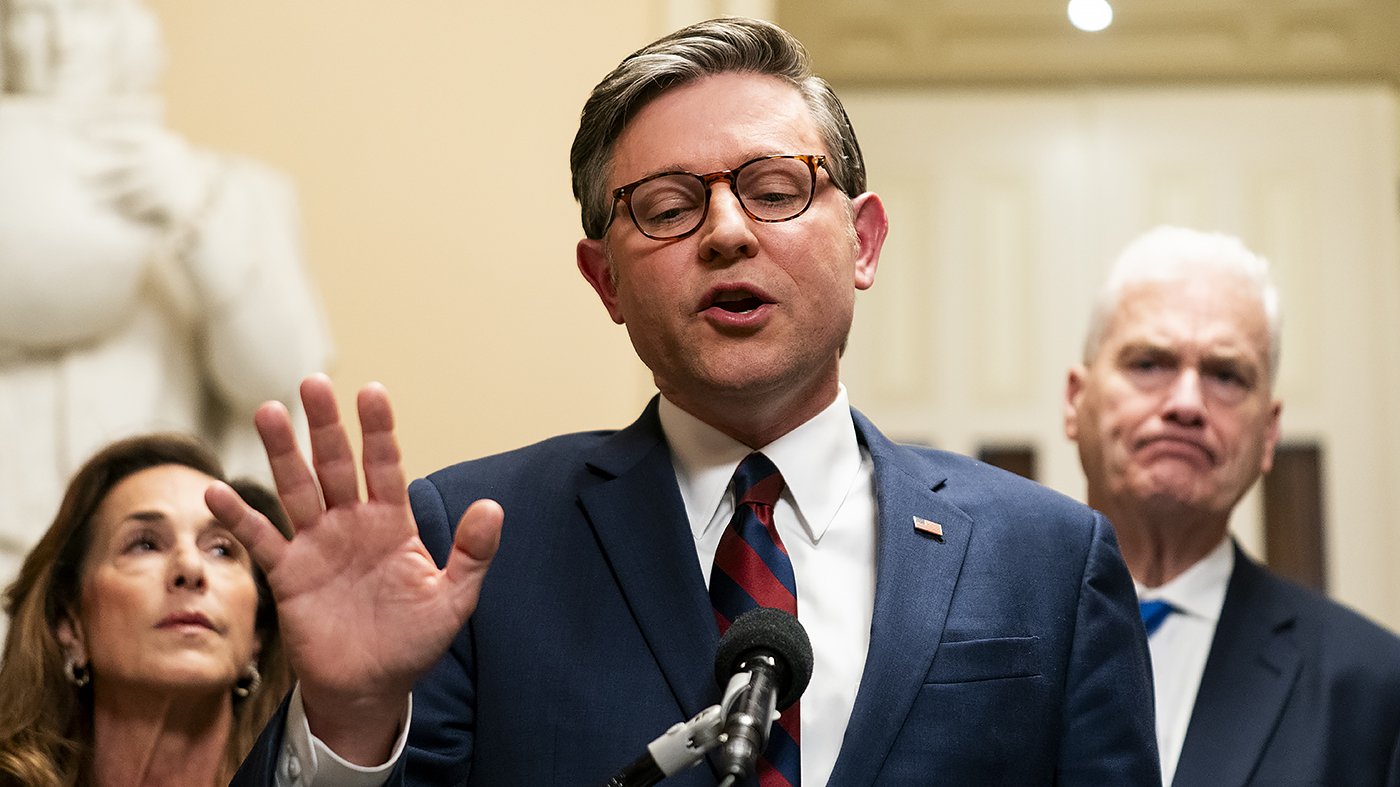
The defeat represents a significant setback for Speaker Mike Johnson and his leadership team, who invested considerable political capital in crafting the compromise. It demonstrates the continuing difficulty of governing with a narrow majority and deep ideological divides, particularly on matters intersecting security and liberty. The episode echoes other recent challenges to executive authority, including congressional actions related to military engagements.
As lawmakers departed for the weekend, staff indicated discussions would continue behind the scenes. The Biden administration has urged prompt reauthorization, warning that a lapse could create dangerous gaps in intelligence collection. With the clock ticking toward expiration, the House must now determine whether it can bridge internal divides or accept a temporary patch that kicks the substantive debate further down the road.