The House of Representatives is poised for a critical vote on the reauthorization of Section 702 of the Foreign Intelligence Surveillance Act, setting the stage for a political clash that unites progressive Democrats with privacy-focused Republicans against their own leadership. With the authority set to expire on April 20, Republican leaders are advancing a straightforward extension of the program, which permits the warrantless surveillance of foreign targets abroad, while facing significant internal dissent.
Leadership Pushes Clean Bill Amid Amendment Demands
The House Rules Committee, in a move that blocked potential amendments, advanced the clean reauthorization bill to the floor. This procedural step came despite vocal resistance from conservative members who sought to attach privacy safeguards, including a warrant requirement for queries involving U.S. persons. Notably absent from the committee vote were three Freedom Caucus members: Representatives Chip Roy of Texas, Ralph Norman of South Carolina, and Morgan Griffith of Virginia.
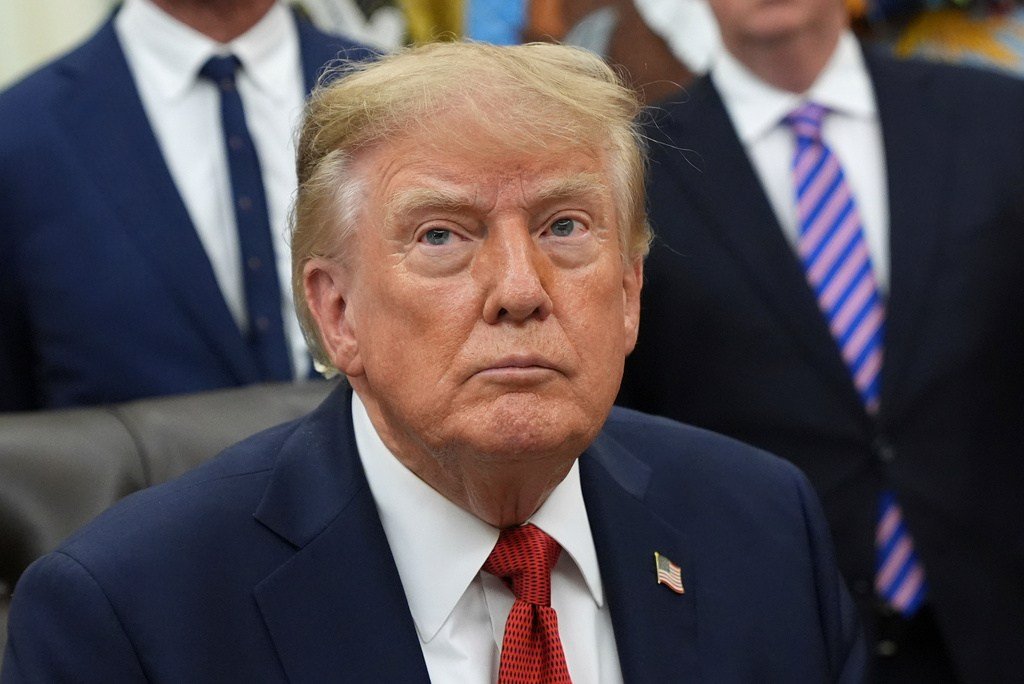
President Donald Trump, who once urged lawmakers to "KILL FISA," has reversed course, advocating for an 18-month clean extension and pressuring Republican members to avoid complicating the bill's passage. He convened a White House meeting with potential detractors, though several invitees declined to attend. Speaker Mike Johnson echoed this sentiment, warning that amendments would jeopardize the vital program's renewal. This legislative pressure comes as Congress returns to a packed agenda, including other contentious fights over government funding and expulsion proceedings.
Shifting Political Stances on Surveillance
The political landscape surrounding FISA has shifted dramatically. Many Republicans who previously championed warrant requirements have abandoned that push, citing reforms enacted in the 2024 reauthorization. These changes restricted who could query the database and mandated supervisory approval for searches involving Americans, leading to a reported drop from 2.9 million queries in 2022 to just over 9,000 the following year.
Judiciary Committee Chair Jim Jordan, a former leader of the warrant requirement movement, now supports the clean reauthorization. "2026 is not 2024," Jordan stated, pointing to the 56 reforms implemented two years prior. However, his Democratic counterpart, Ranking Member Jamie Raskin, has moved in the opposite direction. "Those reforms now depend on Trump administration officials to respect the law, which is, I am afraid, oxymoronic, if not just moronic," Raskin said, noting Trump's dismissal of most members of the Privacy and Civil Liberties Oversight Board.
Persistent Opposition and Procedural Hurdles
Despite leadership pressure, opposition persists. The Congressional Progressive Caucus has instructed its nearly 100 members to vote against any straight reauthorization. On the right, members like Representative Warren Davidson plan to push for an amendment on a related measure to prohibit the government from purchasing data from private brokers—a loophole that circumvents warrant requirements for information like cellphone location tracking.
Representative Thomas Massie predicted that many privacy-minded colleagues would ultimately support the bill despite initial resistance. Meanwhile, the administration is making a final lobbying push, with CIA Director John Ratcliffe scheduled to address the GOP conference. This internal Republican conflict occurs against a backdrop of a shifting national political climate that is affecting races across the board.
The debate over FISA renewal intersects with broader concerns about executive power and civil liberties in the current administration. Some lawmakers fear that without stringent safeguards, the surveillance apparatus could be misused, a concern amplified by ongoing debates about the scope of presidential authority. The outcome of this vote will not only determine the future of a key intelligence tool but also signal the balance of power within the Republican conference and its willingness to challenge presidential preferences on national security matters.