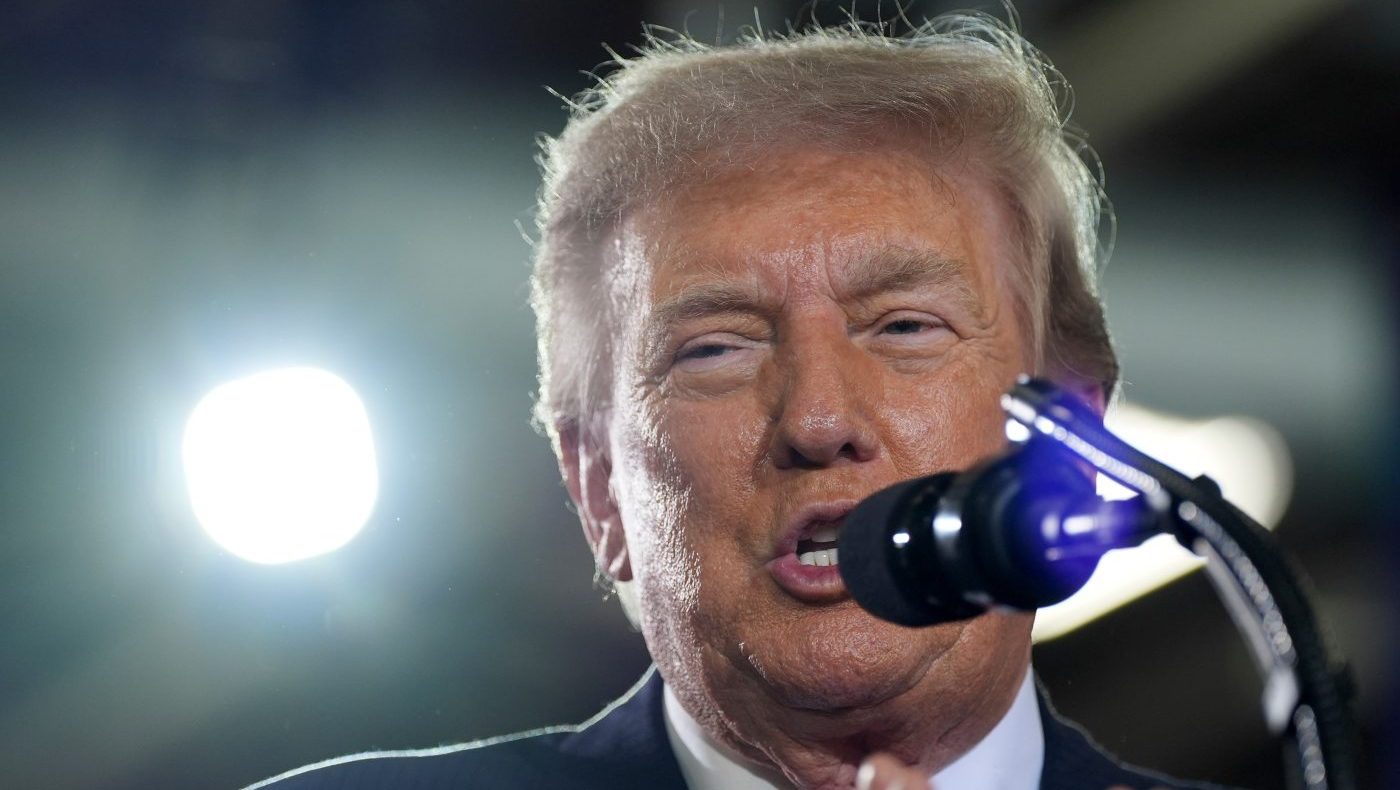
House hard-line conservatives are pressing for a vote by July 4 to enshrine President Trump's border policies into law, arguing that without legislative action, the sharp reductions in illegal crossings achieved under his administration could be reversed once he leaves office.
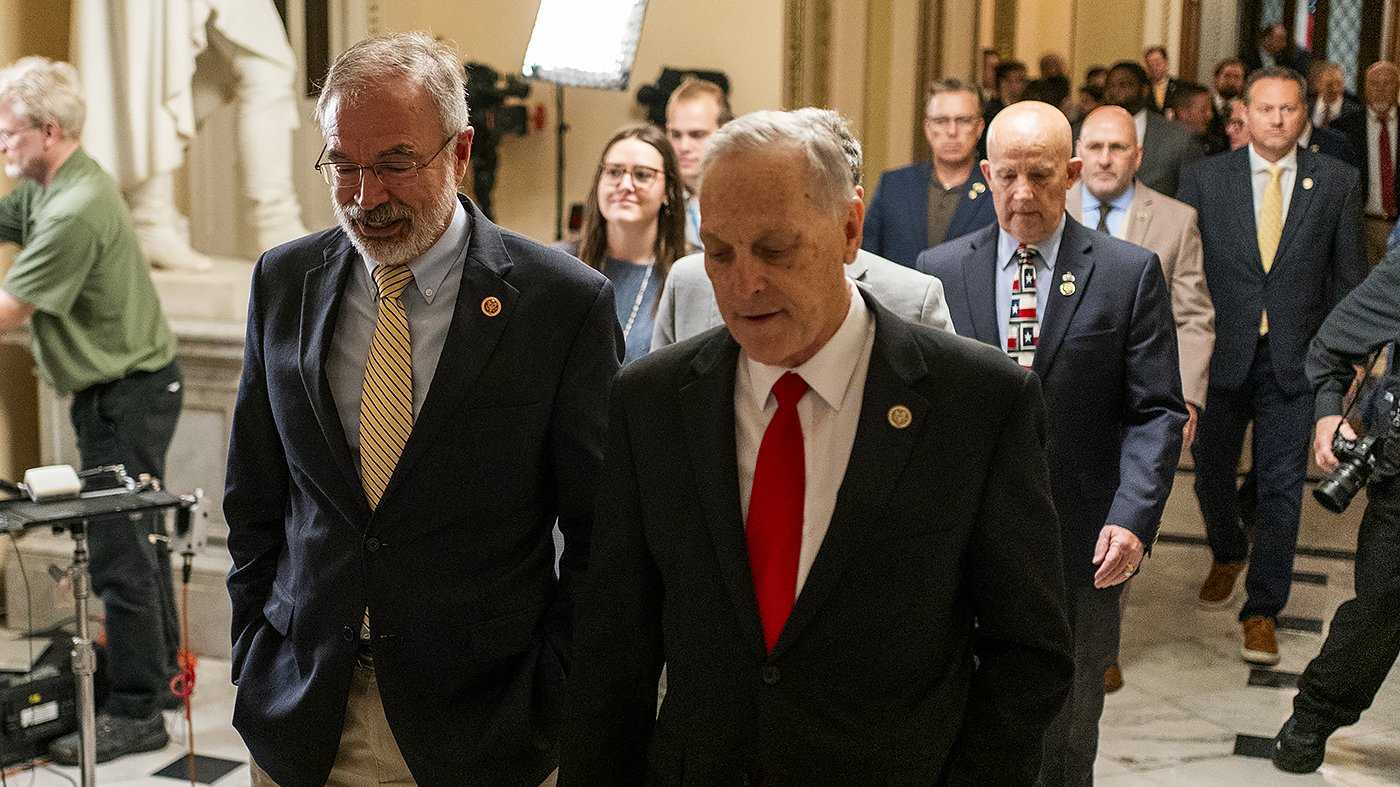
"The president has given us the most secure border that, literally, this country has ever had. We plan on keeping it, and we in Congress need to do everything we possibly can to ensure that we do keep it, and that means codifying President Trump's executive orders," said Rep. Andrew Clyde (R-Ga.).

The effort comes at a politically sensitive moment, with midterm polls indicating that swing voters have been turned off by Trump's aggressive deportation tactics. Even if the measure passes the Republican-controlled House, it faces long odds in the Senate, where it would need at least seven Democratic votes to overcome a filibuster.
The push erupted during a procedural vote this week on a bill to fund Immigration and Customs Enforcement (ICE) and Border Patrol through the remainder of Trump's term. That funding measure was the final step to ending the record-setting Department of Homeland Security (DHS) shutdown, which Democrats had triggered by refusing to fund immigration enforcement without major reforms.
House Freedom Caucus members initially withheld their votes on the funding bill, huddling with leadership on the floor. They eventually backed the measure after securing a commitment from Speaker Mike Johnson (R-La.) to hold a vote on a broader border security bill—similar to the Secure the Border Act (H.R. 2) that passed the House in 2023. Conservatives expect that vote by July 4.
"We've stopped the flow of the border, and that's great, and we're not releasing people. But we could have a future Biden-Mayorkas situation where that's happening," said Rep. Chip Roy (R-Texas), referring to the former president and his DHS secretary, Alejandro Mayorkas. "That shouldn't happen again, so we should codify it. The bill just codifies essentially what the president is doing."
The Secure the Border Act would finish Trump's border wall, severely restrict asylum access, and reinstate first-term policies such as mandatory detention of all migrants or requiring them to remain in Mexico. Roy introduced two versions this week—one with a mandate for employers to use the E-Verify system, which confirms work eligibility, and one without. E-Verify concerns complicated the bill's passage in 2023, with the House adding a last-minute amendment to require DHS to consider the impact on food security if agriculture is forced to use it.
Any partisan border bill faces hurdles in the razor-thin House Republican majority. In 2023, no Democrats supported H.R. 2, and two Republicans—including Rep. Thomas Massie (R-Ky.)—voted against it. Moderate Republicans in swing districts have so far offered little pushback. Rep. Brian Fitzpatrick (R-Pa.) said he would review the Freedom Caucus's bill but noted he supported it last Congress. Rep. Mariannette Miller-Meeks (R-Iowa), who represents an agricultural district, expressed concern about floor time, telling Punchbowl News that Congress still must reauthorize foreign spy powers.
Immigration remains a top-tier issue for voters, with 14 percent citing it as the most important problem in a recent Emerson poll, behind the economy at 38 percent. However, Trump's approval on immigration has slipped as his administration conducts major deportation operations and following the killings of Americans Alex Pretti and Renee Good by immigration enforcement officers during ICE raids in Minnesota. Despite this, a Cygnal poll from June found voters trust Republicans more than Democrats on immigration.
The bill's fate in the Senate remains doubtful. It languished there after passing the House in 2023, and with the current 60-vote threshold, GOP leaders acknowledge the challenge. Still, conservatives are pressing ahead, confident that codifying Trump's policies is essential to prevent a future administration from reversing them. As Rep. Chip Roy put it, "We could have a future Biden-Mayorkas situation where that's happening. That shouldn't happen again."