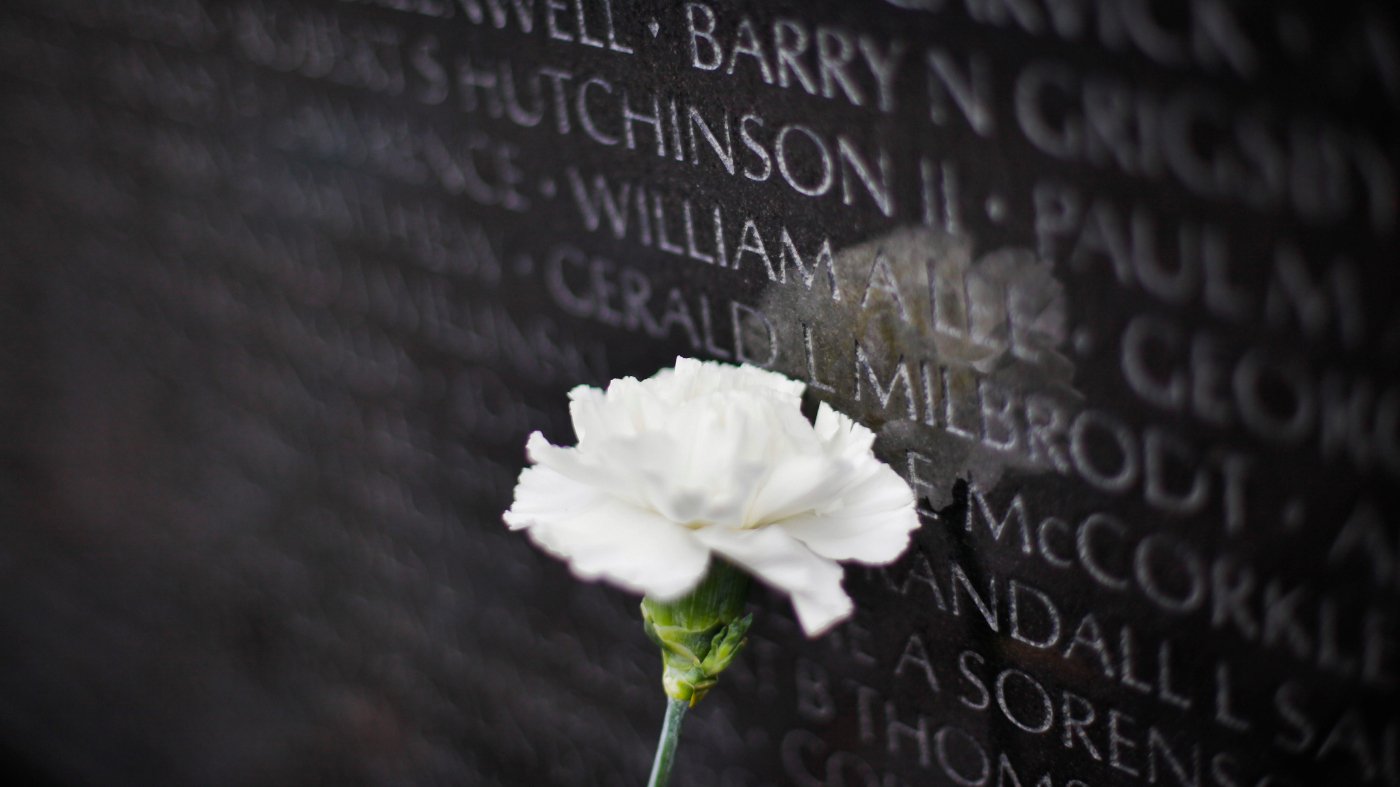
For decades, U.S. service members who deployed to Honduras between 1981 and 1992 have carried out their missions in relative obscurity, their sacrifices largely absent from official military honors. Robin Daniel, a veteran who served in Honduras in 1989, knows this silence intimately. He and thousands of others operated in conditions that claimed at least 72 American lives, earned 48 Purple Hearts, and left some prisoners of war or missing in action. Yet unlike their peers in neighboring El Salvador, these veterans have never received a consistent, formal recognition of their service.
A Historical Precedent for Recognition
The case of Honduras veterans echoes a similar gap that existed for those who served in El Salvador during the same period. That oversight was corrected in 1996 when Congress authorized the Armed Forces Expeditionary Medal for El Salvador veterans. Lawmakers demonstrated then that they could revisit past policy decisions to ensure service members received appropriate recognition. Advocates argue the same logic should apply to Honduras, where troops faced comparable risks in support of U.S. national interests.
Recent reporting by Military.com has drawn attention to this issue, but for many veterans, awareness alone is insufficient. What they seek is a formal acknowledgment that their service mattered. This is not about special treatment, but about fairness and consistency in how the nation honors those who served in dangerous environments, even when those missions fell outside officially declared war zones.
The Human Cost of a Policy Gap
The lack of recognition is deeply personal for those who served. Many returned home without the medals or public acknowledgment extended to others, despite operating under similar conditions. The gap persists because the mission in Honduras did not fit neatly into existing recognition frameworks, which often rely on geographic or administrative designations rather than the actual nature and risk of service.
National veterans' organizations, including the Veterans of Foreign Wars, the American Legion, and Disabled American Veterans, along with several states, have expressed support for closing this gap. This growing consensus underscores that the need for action is both real and overdue. As historian perspectives on America's dual legacy remind us, recognition is not just symbolic; it affirms that contributions to the nation's story are seen and valued.
Congress Has the Authority to Act
Congress has the authority to address such gaps and ensure that recognition reflects the realities of service. Lawmakers have acted before when veterans' experiences were not fully understood at the time. The situation facing Honduras veterans deserves that same attention. This is an opportunity to correct a historical oversight and ensure that those who served are not overlooked simply because their mission did not align with existing policy categories.
The path forward begins with awareness but must lead to action. Congress should examine this issue and take steps to ensure these veterans receive the recognition they have long been denied. For those who served, this is about being seen. For the country, it is a chance to get this right. As debates over other veterans' care bills heat up ahead of the midterm window, the Honduras recognition gap stands as a clear, fixable injustice.