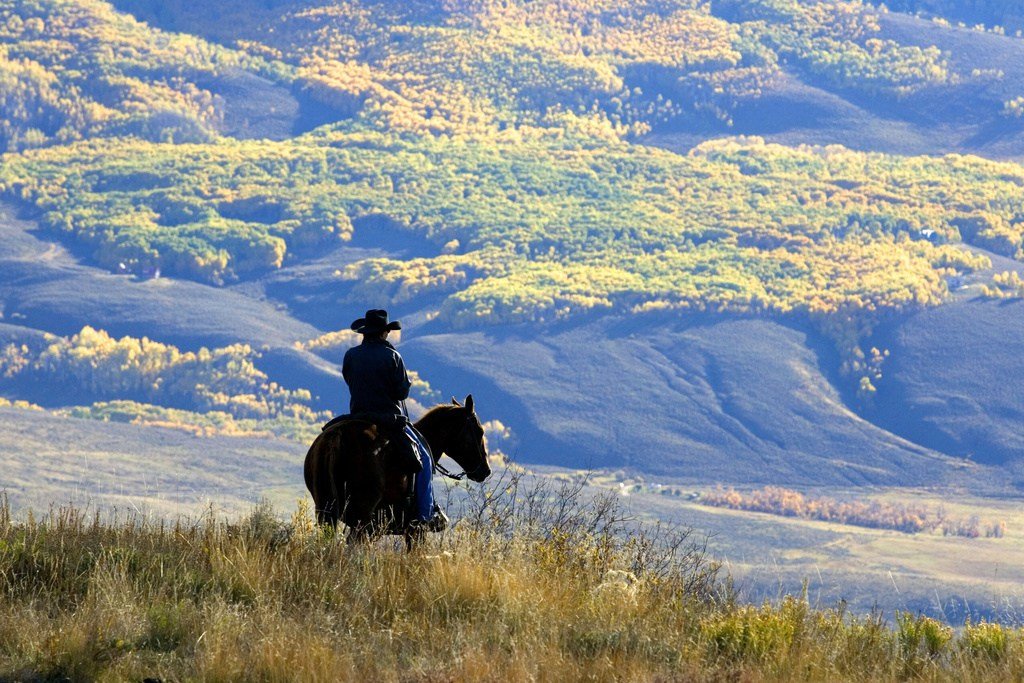
As the elk season opens in New Mexico, Sen. Martin Heinrich (D-N.M.) is using the moment to rally opposition to the Trump administration's push to dismantle the roadless rule. The rule, established by the Forest Service, protects millions of acres of national forest from road construction and development, preserving critical habitats and recreational areas.
Heinrich, an avid hunter and conservationist, argues that the rule is not only popular but essential for wildlife and outdoor recreation. He recalls a public hearing in New Mexico during the rule's creation, where 95% of attendees supported it. By last year, that support had grown to 99%. "The roadless rule is overwhelmingly popular," Heinrich said, "so popular that the administration knows it will lose if it consults the public."
The administration has not held public meetings on the repeal, a move Heinrich calls "undemocratic." He points out that the rule's benefits extend beyond recreation. A recent study shows that 80% of human-caused wildfires start within half a mile of roads, meaning roadless areas actually reduce fire risk. The administration's claims that repealing the rule will help the economy are also misleading. The Forest Service already maintains 371,000 miles of roads—eight times the interstate highway system—with a $6.1 billion maintenance backlog.
Heinrich emphasizes the economic value of roadless areas. The recreation economy, which depends on public lands, contributes $1.3 trillion annually, nearly 2.4% of U.S. GDP. Hunting alone generates $33.5 billion in wages and income, with a total output exceeding $107 billion, more than the GDP of 121 countries. "Our public lands are already driving enormous economic activity," he said.
This fight is part of a broader battle over public lands. Last July, the administration retreated after public outcry over a proposal to sell off half of public lands. Now, Heinrich warns, the roadless rule repeal is another attempt to chip away at protections. "These roadless areas are some of our most special places," he said, citing New Mexico's trout-filled Pecos River headwaters, bighorn habitat in the Bootheel, and the juniper and ponderosa pine forests of the Carson National Forest.
Heinrich calls on the administration to hold public meetings and listen to hunters, anglers, and recreators. He also urges the public to submit comments to the Forest Service before the October 6 deadline. "Our public lands are ours," he said, "and I urge you to speak up to keep it that way."
The senator's remarks come amid broader political tensions over public lands management, with critics of the administration's approach pointing to Trump's declining approval ratings as evidence of public dissatisfaction. As the midterm elections approach, the roadless rule could become a rallying issue for Democrats, similar to public health's emergence as a key battleground.