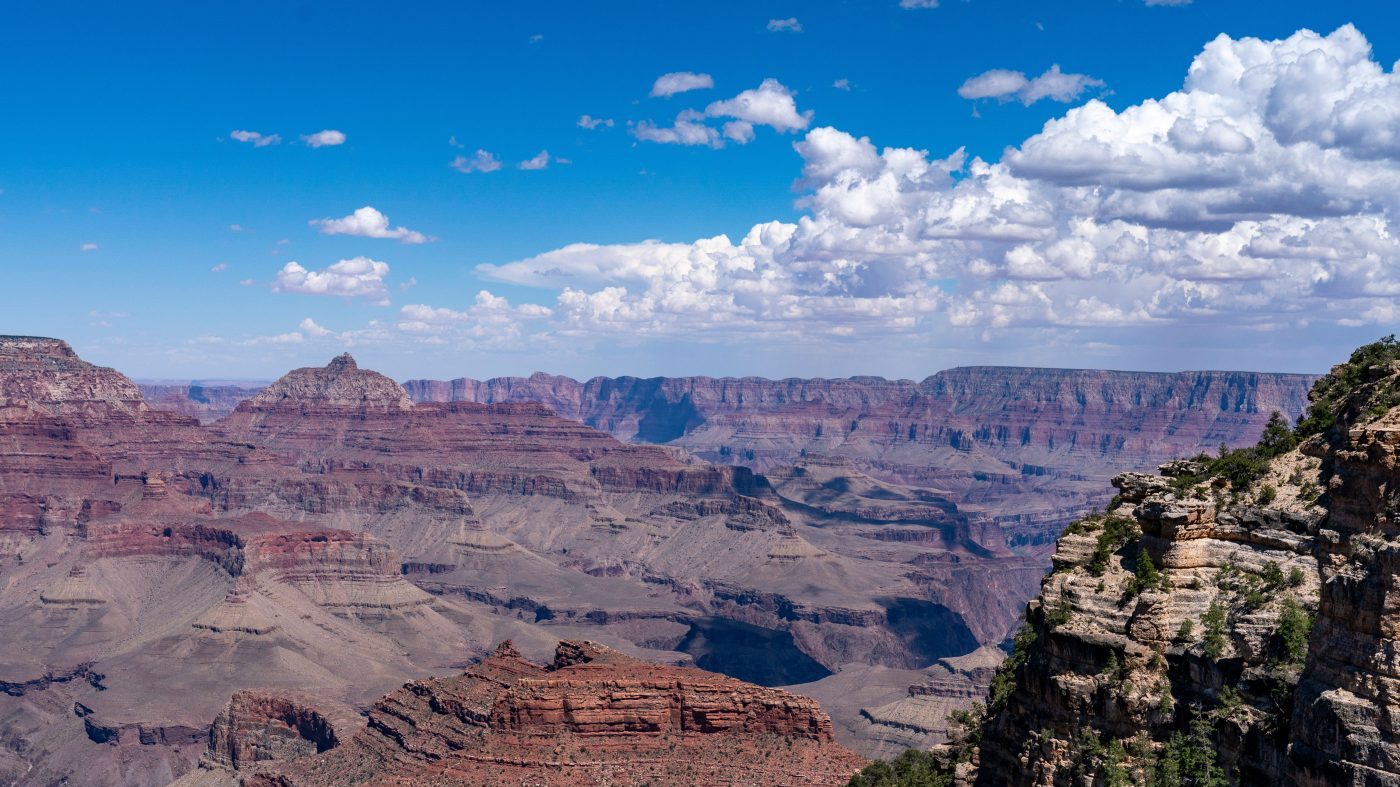
The Grand Canyon National Park is bracing for another wave of extreme heat early next week, just weeks after three hikers died from heat-related illnesses on its trails. The National Weather Service has issued an extreme heat watch for Monday and Tuesday, with temperatures expected to reach or exceed 110 degrees Fahrenheit at Phantom Ranch, the low-elevation area along the Colorado River.
Park officials are warning visitors to avoid hiking during the hottest part of the day, typically between 10 a.m. and 4 p.m. The warning comes after a “recent influx of heat-related incidents,” according to the National Park Service. On June 16, two hikers aged 67 and 68 were found dead on the North Kaibab Trail, which the NPS describes as the most challenging of the major inner canyon routes. They are believed to have succumbed to heat-related symptoms. Another hiker, 72, died on June 12 on the South Kaibab Trail after falling ill from the heat.
The extreme heat warning is part of a broader pattern across the western United States, where temperatures are running above average from the Rockies to the Pacific Coast. Officials also caution that the prolonged dry, hot weather and low humidity are elevating wildfire risks across the region.
Meteorologist Justin Johndrow of the National Weather Service office in Flagstaff, Arizona, noted that temperatures at the canyon rim are often 20 to 25 degrees cooler than those at the bottom. “It’s just a hot place at the bottom of the Grand Canyon,” he said, adding that the region is approaching its hottest period before monsoon rains offer relief later in the summer.
Hikers often begin their descent in cooler rim temperatures, but the return climb involves thousands of feet of elevation gain in significantly hotter conditions. “That’s very strenuous even on a mild day,” Johndrow said. “Throw in temperatures of 105 to 110 degrees and that causes some pretty bad problems.” Park officials strongly advise against strenuous hiking during midday hours.
Separately, about 90 miles south of the Grand Canyon, a wildfire near Oak Creek Canyon forced evacuations of visitors and residents late Friday. The Pocket Fire, burning on steep terrain about seven miles north of Sedona, Arizona, has consumed roughly 500 acres. Fire information officer Dick Fleishman said the fire is concentrated in the Red Rock-Secret Mountain wilderness but has begun to creep into the Coconino National Forest. Firefighters are working to contain the blaze and prevent it from moving toward Oak Creek Canyon or Sedona.
Fleishman cited the steep slope, nearby property at risk, heat conditions for firefighters, and potential post-fire flooding as factors making the Pocket Fire particularly concerning. “This fire ramped up in complexity quickly,” he said. “We want to try and keep it as small a footprint as possible.” About 30 miles of the adjacent state highway were closed in both directions. “For June 20, I’ve never seen it that quiet,” Fleishman said of the evacuated area.
The heat and fire risks underscore broader challenges facing national parks and public lands as climate conditions intensify. For more on how national parks are navigating political and environmental pressures, see this report on park display removals. Meanwhile, the intersection of public safety and federal land management continues to draw scrutiny, as highlighted in a federal judge’s ruling on park displays.