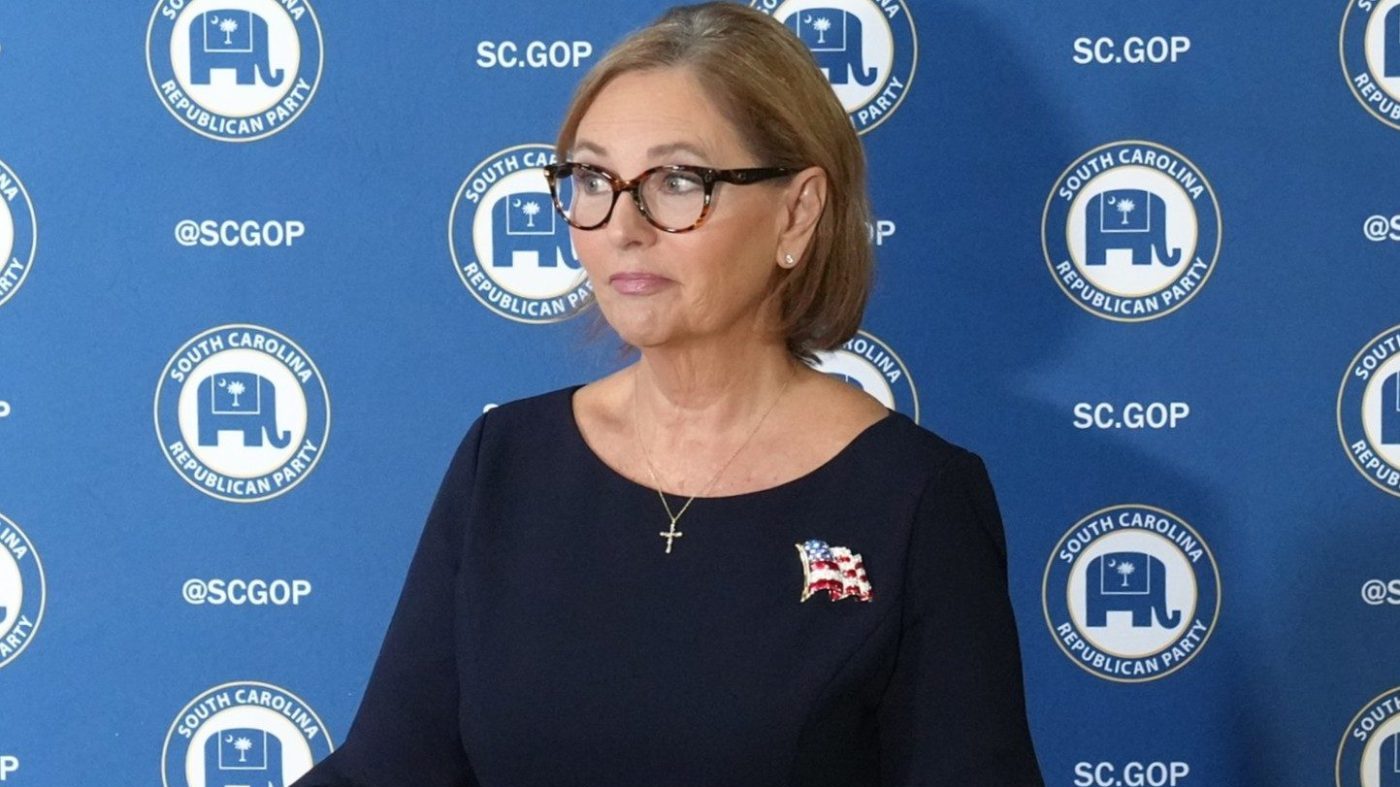
Sen. Darline Graham (R-S.C.) faced a torrent of criticism Tuesday after she conceded during a debate that she is not well-versed in national security matters, a remark that threatens to undermine her campaign for a full term.
Asked by moderator Greta Van Susteren whether Taiwan and the South China Sea constitute U.S. national security concerns, Graham replied, "I'm just going to be honest here, I'm not that informed on national security," before adding, "But I do support the military." She invoked her late brother, Sen. Lindsey Graham, who served in the Air Force for 33 years, and her father's Army service, saying, "I'm not a polished politician up here, national security is not my thing, not my area of expertise, but I do support the military."

The admission drew sharp rebukes from across the political spectrum. Former Rep. Katie Porter (D-Calif.) told CNN's Elex Michaelson that while such gaffes often stem from fatigue or pressure, "That's not what this is. This might be just dumb." She also took a swipe at Graham's GOP runoff opponent, Rep. Ralph Norman, calling him "not the sharpest tool in the shed either."
Former South Carolina state Rep. Adam Morgan (R) labeled it a "stunning debate flop," writing on X that "The main criticism is that she's not qualified for this 6-year position. Now she reveals she can't answer basic national security questions!"
Former U.N. Ambassador Nikki Haley, a former South Carolina governor, also weighed in, posting on X: "Lindsey Graham was well informed on the United States' national security. Darline Graham admits she's not. This is not something you inherit. And it's critical in the U.S. Senate."
Graham and Norman advanced to a runoff after finishing in the top two spots in last week's primary. During the hour-long debate hosted by South Carolina ETV and Public Radio, Norman repeatedly targeted Graham's lack of governing experience, saying at one point, "We have an unknown candidate who I am running against," and suggesting she was the preferred candidate of Democrats.
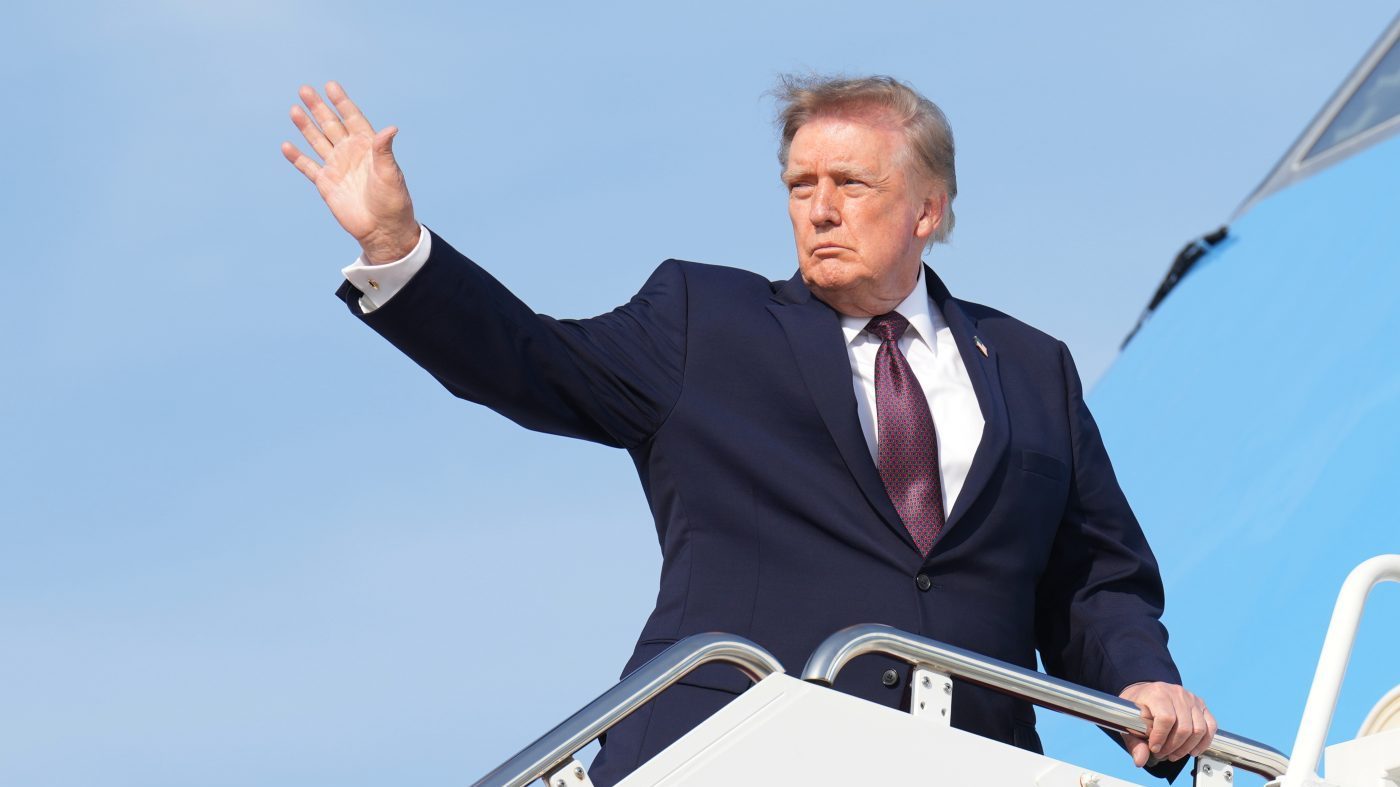
Graham was appointed by South Carolina Gov. Henry McMaster (R) following her brother's sudden death last month, with President Trump's full endorsement. She quickly announced her bid for a full term. The runoff is shaping up as a test of whether her familial ties and Trump's backing can overcome concerns about her readiness for the Senate, especially on national security policy.
The controversy comes amid broader GOP debates over foreign policy and defense priorities, with some candidates facing scrutiny over their grasp of complex issues. Graham's misstep has become a focal point, with critics arguing that a Senate seat requires more than a supportive stance on the military. Her campaign has not yet responded to the backlash, but the fallout could influence undecided voters in the runoff.
As the race heads to a conclusion, Graham's ability to recover from this self-inflicted wound will be crucial. Her opponents are likely to continue hammering on her qualifications, while supporters may point to her willingness to be honest as a refreshing change. The runoff will ultimately decide who carries the GOP banner in a state that remains deeply conservative.