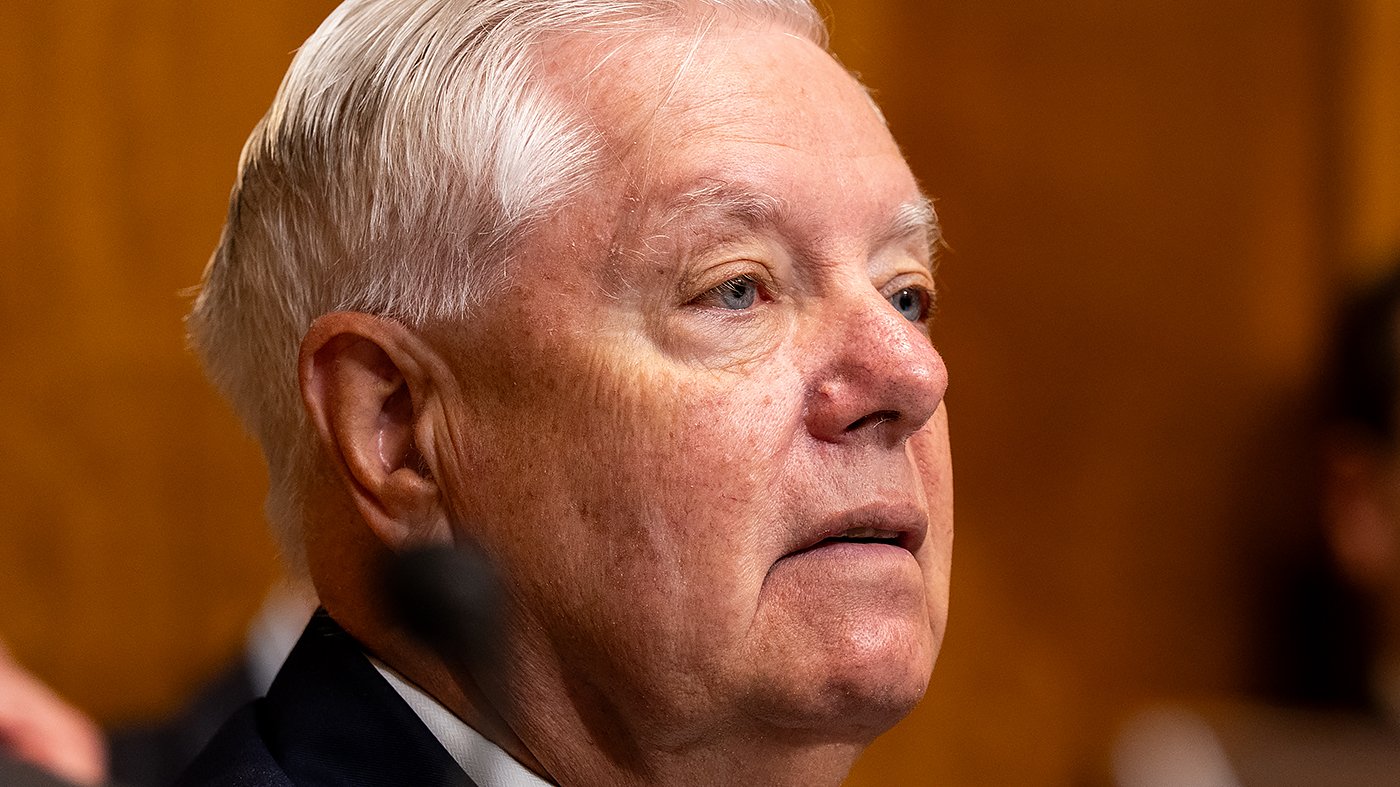
Senator Lindsey Graham (R-SC) expressed deep skepticism about the recently signed U.S.-Iran memorandum of understanding, stating on Sunday that he believes the diplomatic framework is doomed to collapse. Appearing on CBS's Face the Nation, the South Carolina Republican warned that failure would leave Washington with few options short of military confrontation.
“If you don’t have a diplomatic path through the MOU, then you have to go to war, or some other form of coercion,” Graham told host Margaret Brennan, referring to the memorandum that outlines a 60-day timeline for finalizing a nuclear agreement. “Let’s try this, let’s try a diplomatic solution. I think it’s going to fail.”

Graham’s blunt assessment comes as U.S. and Iranian officials began talks in Switzerland on Sunday, with Vice President Vance meeting his Iranian counterpart. The negotiations follow the signing of the MOU, which includes a provision for $300 billion in reconstruction aid for Iran—an element Graham previously criticized as akin to giving the Marshall Plan to a Nazi-led Germany.
“Because before I thought the money was coming from the West,” Graham explained, clarifying his reversal. “Can you imagine if Saudi Arabia, Qatar and the United Arab Emirates invest $300 billion in Iran? That would tell me that Iran has changed.” He added that the sum would be insufficient to rebuild Iran’s economy or transform Tehran into a reliable business partner for Gulf states.
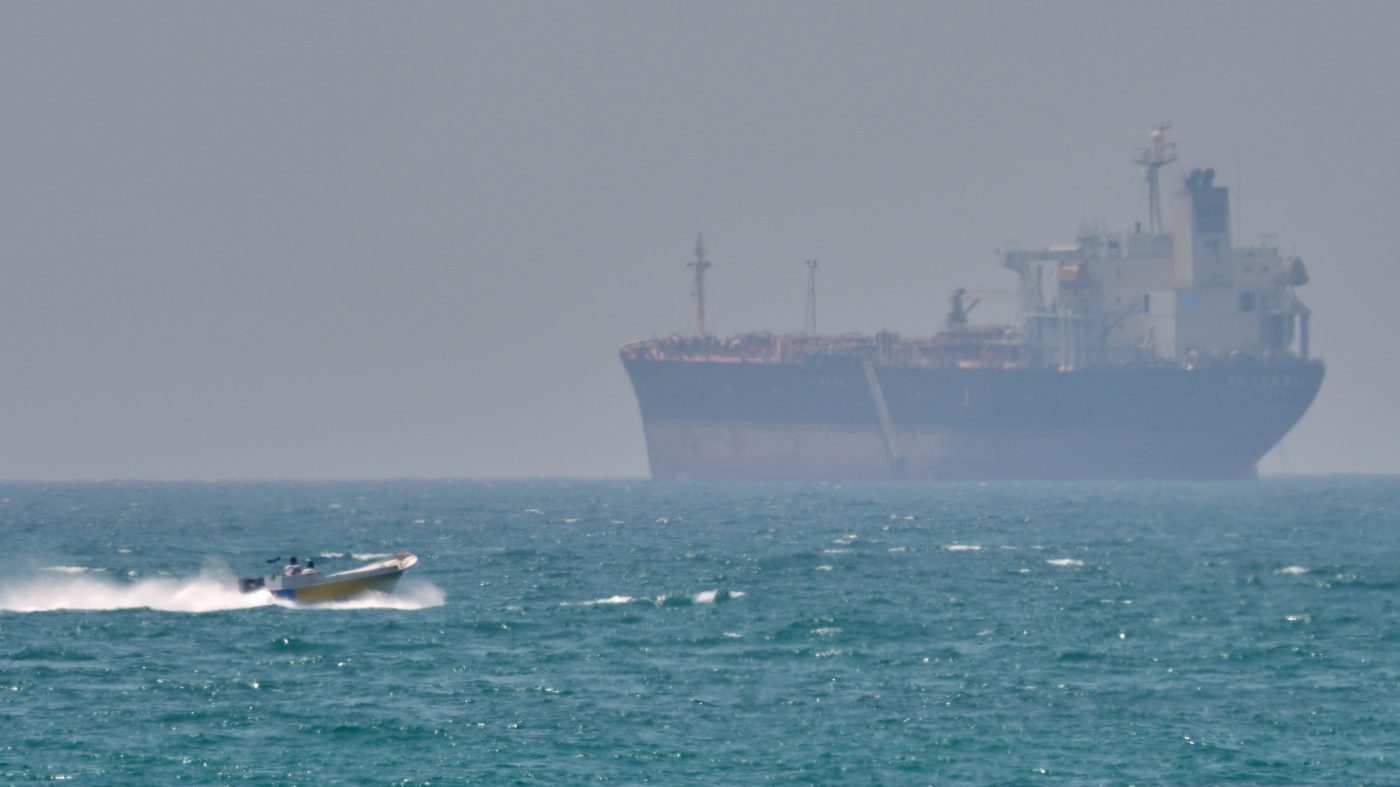
The senator also raised the prospect of aggressive U.S. action if the deal collapses. He suggested President Trump “is going to take the Strait of Hormuz over by force” and impose a fee on vessels transiting the vital waterway. Graham directly warned Iran’s leadership: “When you use Hezbollah to attack Israel, I think the new policy will be, ‘We will attack Iran.’”
President Trump has publicly distanced himself from the $300 billion reconstruction fund, labeling reports about it “fake news” and insisting the U.S. will not contribute. During the G7 summit in France, Trump stated, “Do you want me to say nobody’s ever allowed to invest in a country? We are not investing in it and we do not have a fund.” He also denied asking Gulf nations to finance the plan.
Despite the administration’s denials, the MOU text explicitly commits the U.S. to work with regional partners on a plan involving at least $300 billion for Iran’s reconstruction. The contradiction has fueled bipartisan criticism and deepened uncertainty about the deal’s viability.
In a related development, Energy Secretary Chris Wright reported that 67 ships traversed the Strait of Hormuz on Saturday, with another 55 vessels using a southern route under U.S. military escort on Friday. Vice President Vance hailed the “record-breaking” oil flow through the strait, countering Iranian threats to disrupt shipping.
Graham’s remarks echo his earlier stance that Iran is weaker after recent conflicts, and he has called critics of the nuclear deal “delusional.” His latest comments align with a broader pattern of skepticism among Republican lawmakers, as the administration pushes forward with a framework that many see as fraught with risk.