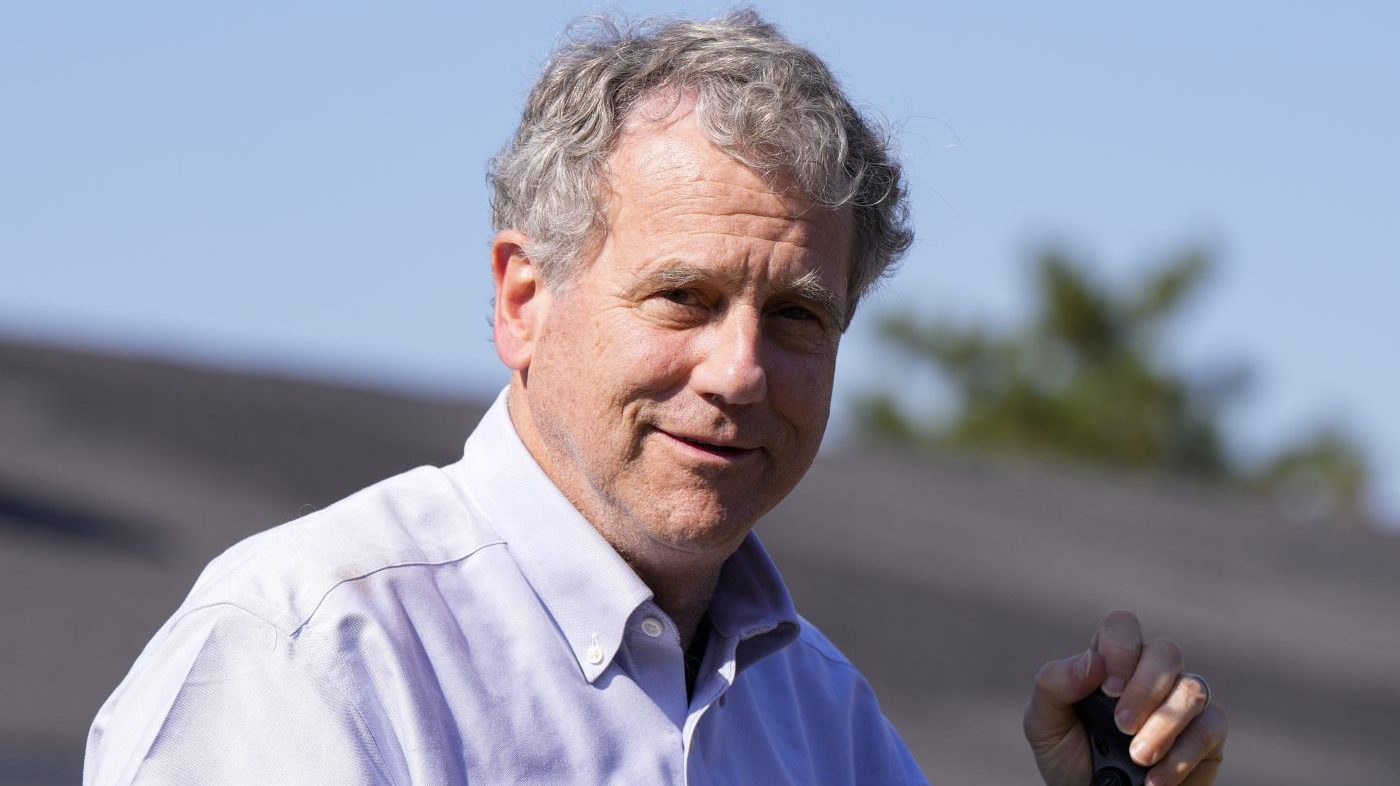
The National Republican Senatorial Committee is facing sharp criticism after airing a digital ad that used the deaths of an Ohio family to attack Democratic Senate candidate Sherrod Brown. Relatives of the victims have publicly objected to the spot, which ties Brown’s immigration record to the crash, and the ad has now been pulled from circulation.
The ad, paid for by the NRSC, targeted Brown’s bid to unseat Republican Sen. Jon Husted in one of the most closely watched Senate races this cycle. It featured the image of the Soposki family—a young couple and their 1-year-old son—who were killed when a semitruck slammed into their car. The voiceover claimed that Brown’s open-border policies allowed “dangerous illegals” into the country, directly linking the tragedy to his political record.
However, the driver of the truck, Modou Ngom, was a naturalized U.S. citizen who entered the country legally in the 1990s and became a citizen in 2015. He is now under investigation by Immigration and Customs Enforcement for allegedly using fraudulent names and birth dates to obtain identification—though no charges have been filed. The ad’s implication that Ngom was an undocumented immigrant has drawn particular ire from the victims’ family.
Jesse Mallen, whose sister Lynnea died in the crash, wrote to the Husted campaign privately asking for the ad to be removed. The campaign did not immediately respond, but the NRSC stopped running the spot after more than two weeks. A clip remains on the committee’s YouTube page, and the ad’s end card notes that it was authorized by Husted’s campaign.
Husted, when pressed by Spectrum News on Thursday, distanced himself from the ad, calling it the work of “some third-party group.” He added that if a family was victimized by an illegal alien, they should not have to suffer further, and he hoped the ad would be taken down—which he understood had happened. The NRSC, for its part, defended the message, with spokesperson Nick Puglia saying that Brown’s three decades of “open border policies” cost Ohioans their lives and that the committee would continue to hold him accountable.
The controversy underscores the central role immigration is playing in the fight for the Senate majority. Republicans, including President Trump, have repeatedly sought to tie Democratic policies to violent crimes committed by undocumented immigrants, even when the facts do not align. Brown’s campaign has not directly responded to the ad, but his team has pointed to his record of supporting border security measures while opposing family separation.
This is not the first time a political ad has faced backlash for exploiting a personal tragedy. In recent cycles, both parties have been criticized for using victims’ stories without family consent. The GOP’s handling of this issue could become a liability in a race where suburban voters are key. The Husted campaign’s initial silence on the family’s request may also draw scrutiny, as families of victims increasingly demand accountability from those who invoke their loved ones for political gain.
As the Senate race tightens, the ad’s withdrawal marks a rare retreat for Republicans, who have made immigration a cornerstone of their midterm messaging. But the damage may already be done: the family’s public outcry has shifted the narrative from Brown’s record to the ethics of the ad itself. Whether that translates into voter sympathy for Brown remains to be seen, but the incident has added a volatile new dimension to an already heated contest.