In a striking departure from earlier Republican norms, anti-Muslim language that would have been politically disqualifying just years ago is now met with silence, rationalization, or even reward within conservative circles. Nowhere is this trend more visible than in Texas, where Muslims make up only 2% of the population, yet have become a central target of political attacks.
With border security fading as a rallying cry, warnings about “radical Islam” and the supposed “Islamification” of America have emerged as potent tools to energize conservative voters. This shift has translated into concrete actions against Muslim communities, particularly in the Lone Star State.

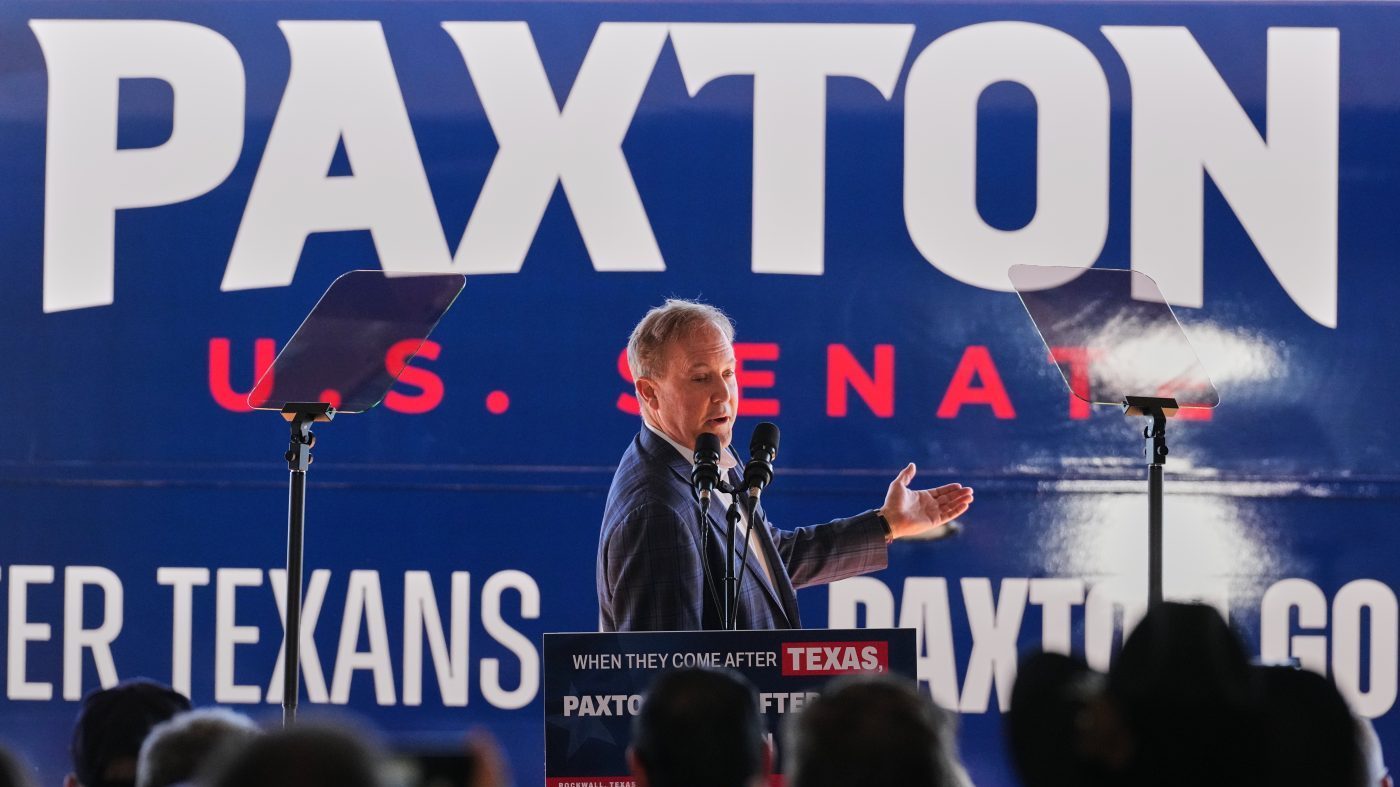
Last year, Republican candidates and state officials launched a coordinated campaign against a proposed Muslim-friendly residential community near Dallas, backed by investors from the East Plano Islamic Center. They denounced the project as evidence of the “Islamification of Texas,” triggering five state investigations. Governor Greg Abbott signed legislation banning “Sharia compounds,” claiming—with unintended irony—that religious freedom was at stake. Texas Attorney General Ken Paxton filed three lawsuits to halt the development, alleging securities fraud and zoning violations. A Department of Justice review found no wrongdoing, but the Department of Housing and Urban Development launched its own inquiry into religious discrimination claims, even though organizers stressed the community would be open to all faiths.
Abbott also labeled the Council on American-Islamic Relations (CAIR), a prominent Muslim advocacy group, a “terrorist organization.” Paxton opened another investigation into a separate Muslim-oriented development, and the state comptroller excluded two dozen Islamic schools from a voucher program. These actions reflect a broader national pattern where once-fringe rhetoric has entered the GOP mainstream.
At a Turning Point USA conference in December, participants identified “radical Islam” as the greatest threat to the U.S. Anti-Muslim tropes now permeate state legislatures and campaigns across the South. In Congress, Republicans have formed a “Sharia-Free America” caucus with over 60 members, and the House Judiciary Committee held hearings titled “Why Political Islam and Sharia Law are Incompatible with the U.S. Constitution.” Some members openly traffic in slurs that would be widely condemned if directed at any other minority. Representative Randy Fine (R-Fla.) suggested it would be easy to choose “between dogs and Muslims” and added, “we need more Islamophobia, not less.” Representative Andy Ogles (R-Tenn.) declared that “Muslims don’t belong in American society” and proposed banning immigration from Muslim-majority countries. Senator Tommy Tuberville (R-Ala.) juxtaposed images of 9/11 with a photo of New York City mayoral candidate Zohran Mamdani, captioned “the enemy is inside the gates.”
A recent study identified over 1,100 social media posts by dozens of Republican members of Congress and governors promoting anti-Muslim conspiracy theories, denouncing Sharia law, and describing Muslim immigration in terms of “invasion,” “conquest,” and “Islamification.” While some Republicans have criticized these statements, party leaders have largely remained silent. Asked if he faced pushback for saying “Islamists are the enemy,” Tuberville replied, “nobody’s saying anything.” House Speaker Mike Johnson (R-La.) said he discussed “tone” with members but then excused their rhetoric by claiming “there’s a lot of… popular sentiment that the demand to impose sharia law in America is a serious problem.” Johnson could not, however, point to any organized effort to impose sharia in the U.S.
President Trump has spearheaded this shift from criticizing Islamist extremism to portraying Muslims as security risks and culturally incompatible outsiders. In 2015, he called for “a total and complete shutdown of Muslims entering the United States,” and as president implemented a travel ban affecting seven Muslim-majority countries. He has warned that “Islam hates us,” advocated “extreme vetting,” posted frequent warnings about “radical Islamic terrorism,” and attacked the two Muslim members of Congress, suggesting they “go back” to their countries and calling one “garbage.” The contrast with earlier Republican leaders is stark: after 9/11, President George W. Bush visited the Islamic Center in Washington and reminded Americans that Islam is a “religion of peace.” In 2019, House Republican leaders unanimously stripped then-Representative Steve King (R-Iowa) of his committee assignments after his remarks about white supremacy. Senate Majority Leader Mitch McConnell suggested King should face consequences.
This normalization of anti-Muslim rhetoric has real-world consequences, fueling discrimination and fear in communities across the country. As the GOP continues to embrace these tactics, the party’s historical commitment to religious tolerance appears increasingly distant.