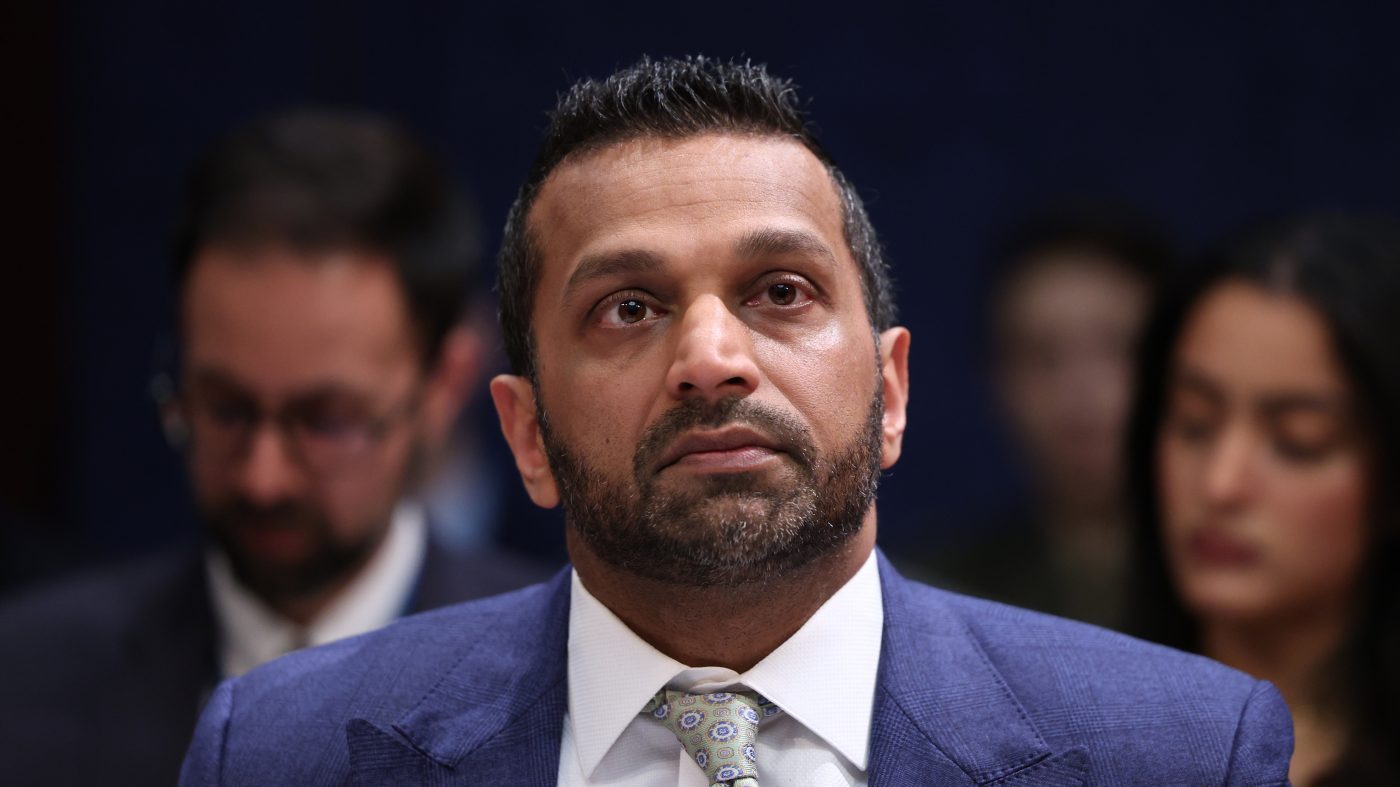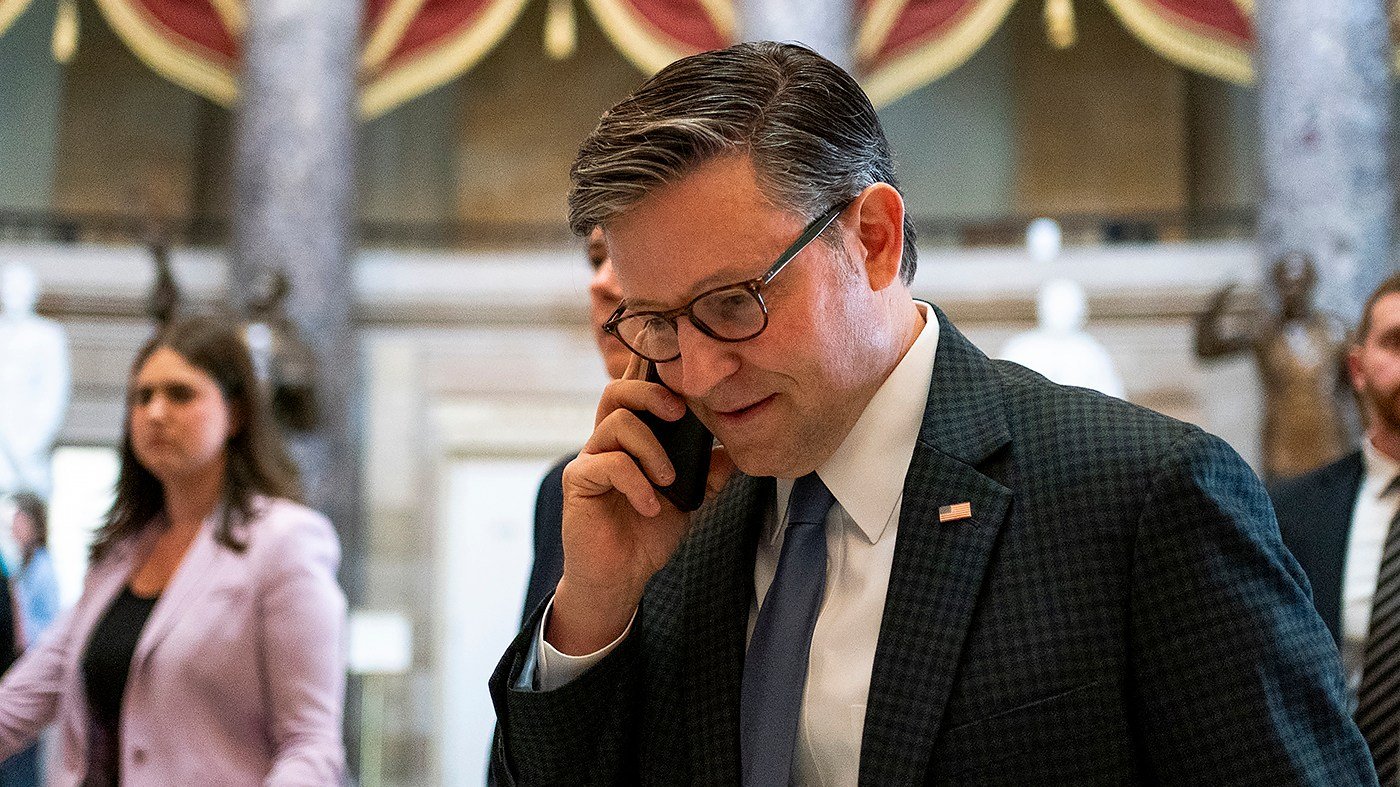
Republican leaders in Congress and the White House are resisting calls for rapid AI regulation, even as prominent tech executives issue stark warnings about the existential risks of the technology. Speaker Mike Johnson (R-La.) has dismissed the need for urgent legislative action, while Senate Majority Leader John Thune (R-S.D.) signaled that any rules should be minimal and innovation-friendly.
President Trump reinforced his opposition on Monday, arguing that new restrictions would handicap American companies in the global AI race and benefit rivals like China. In a post on Truth Social, he wrote, "The only control or 'guardrails' that AI needs is a STRONG AND SMART (High IQ) PRESIDENT, and the U.S.A. has that, in spades."
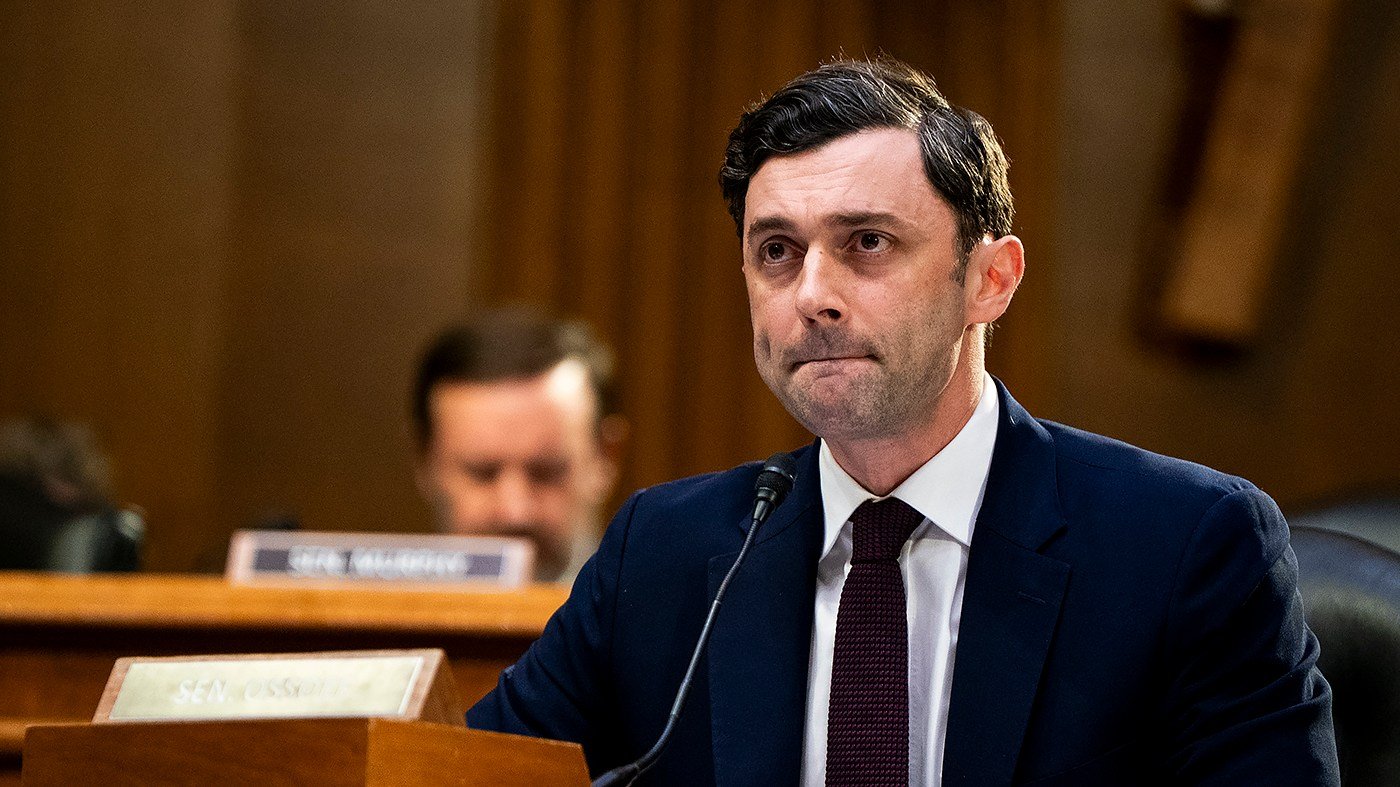
The GOP's stance virtually guarantees that the House will leave for its seven-week pre-midterm recess without passing any AI legislation, despite mounting pressure from Democrats and a handful of Republicans. This inaction underscores the gridlock that has come to define the current Congress, where partisan conflict often trumps bipartisan cooperation.
Democrats are seizing on the issue as a campaign weapon. House Minority Leader Hakeem Jeffries (D-N.Y.) urged Republican leaders to stay in session to adopt stricter safety measures. "Republicans have completely abandoned their responsibility to legislate and engage in public policy efforts in a responsible fashion in the area of artificial intelligence," Jeffries said.
Senate Minority Leader Chuck Schumer (D-N.Y.) called for a briefing for all senators on AI dangers, stating, "Warning bells are ringing louder than they ever have — and the Trump administration is looking the other way. Well, if they won't hold themselves accountable, we will. And if Trump does not act, Congress must."
The urgency intensified over the weekend when Dario Amodei, CEO of Anthropic, Elon Musk of xAI, and Sam Altman of OpenAI jointly urged a slowdown in AI development, citing risks of global catastrophe. Amodei's blog post warned that unchecked AI could enable bioterrorism, economic upheaval, and other disasters. He committed to voluntarily slowing his company's work and called on peers to do the same.
In response, several Democratic lawmakers, including Reps. Sam Liccardo (Calif.), George Whitesides (Calif.), Lori Trahan (Mass.), and Ted Lieu (Calif.), wrote to Johnson demanding Congress remain in session until meaningful safeguards are enacted. They argued, "Reasonable minds may disagree about precisely how Congress should regulate this rapidly evolving technology. We cannot disagree about the imperative for Congress to act. Instead of action, you have announced vacation."
Republican Rep. Anna Paulina Luna (Fla.) has also called for a special session, saying it is not her job "to hope for the best, to do nothing, and sit on my hands." She is working with Democratic Rep. Ro Khanna (Calif.) on a framework to address AI concerns.
Johnson, however, prefers to meet with AI executives first to craft a "balanced approach" rather than rushing into regulation. He indicated that a meeting with Trump could occur soon. The White House's dismissive stance and Thune's light-touch philosophy suggest that any legislative progress will be slow, leaving the AI debate to simmer through the midterm campaign season.