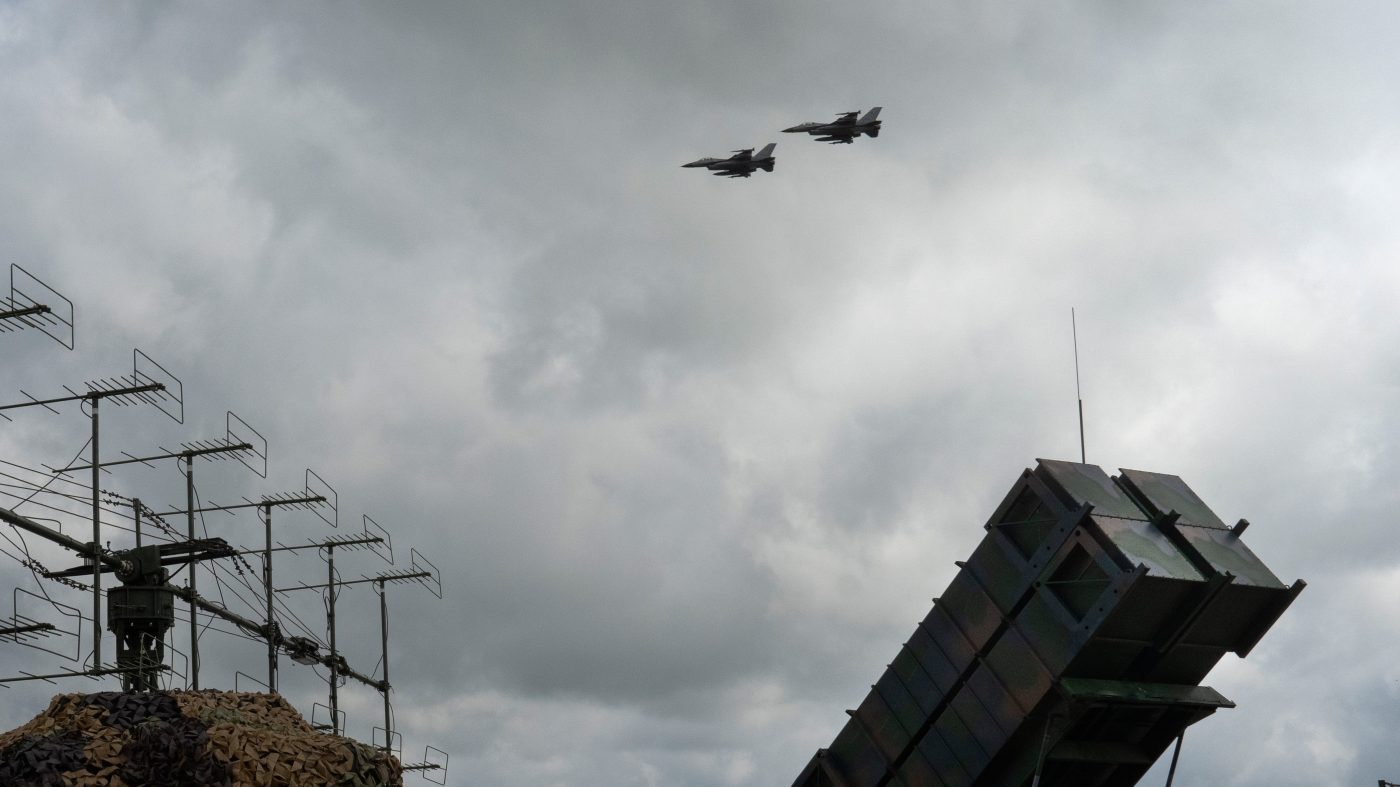
As the conflict with Iran disrupts oil shipments through the Strait of Hormuz, a Republican lawmaker is pushing to eliminate a decades-old restriction on US assistance to Azerbaijan, a key player in the alternative Middle Corridor energy route.
Rep. Anna Paulina Luna (R-Fla.) has filed a bill that would strike down the 1992 Freedom Support Act provision barring direct US government aid to Baku—a distinction no other former Soviet state carries. The ban was enacted during the Nagorno-Karabakh war, which ended with a 1994 ceasefire, but critics argue it is now obsolete and counterproductive.
The legislation comes as the Strait of Hormuz remains a flashpoint, with tanker traffic well below normal and fuel prices climbing. The Middle Corridor—a land route from Central Asia through the Caspian and South Caucasus to Europe—has become a strategic necessity. It carried 17 million tons of freight in 2025, and Baku's port expansion to 25 million tons annual capacity is underway. The modernized Baku-Tbilisi-Kars railway now moves 5 million tons.
Trump Route peace framework
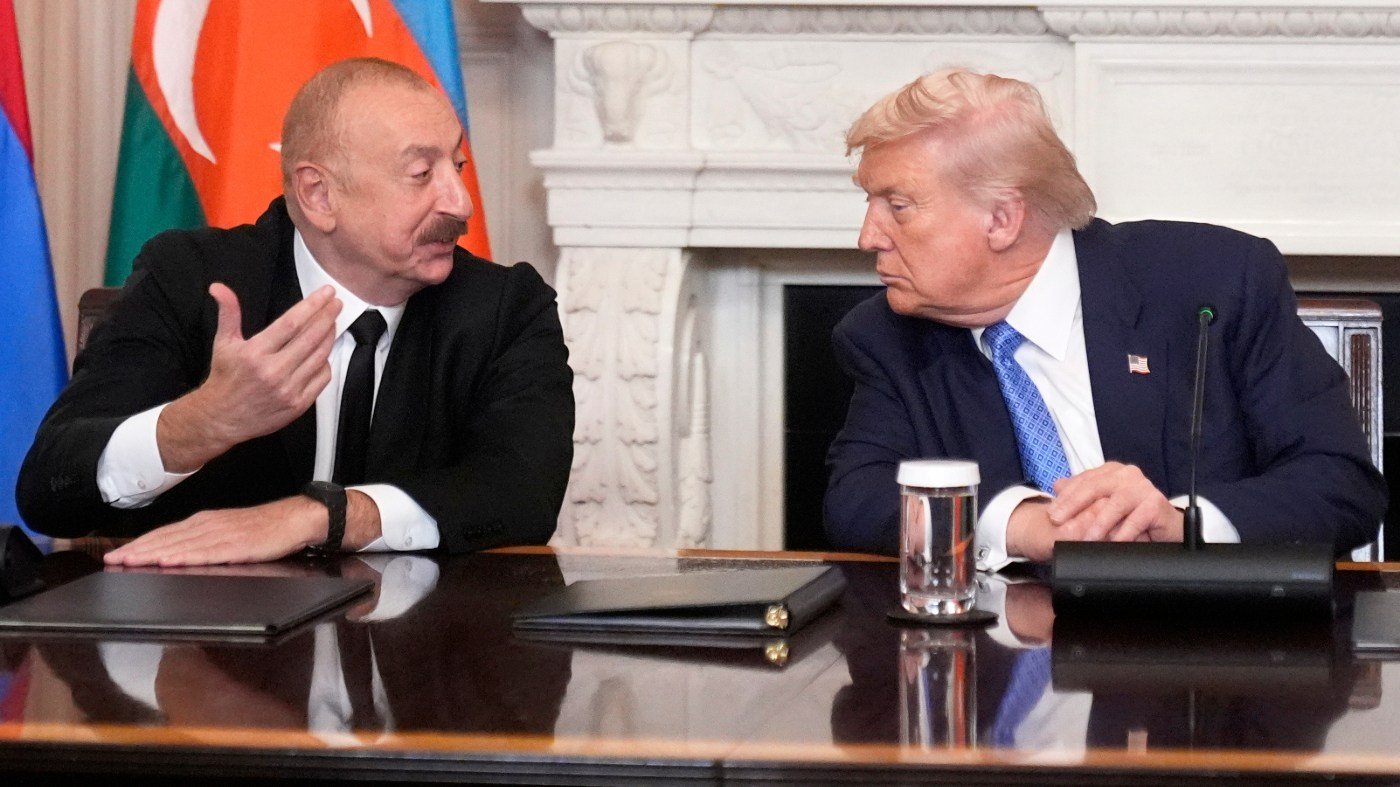
The push to repeal the ban also follows a landmark diplomatic breakthrough. In August 2025, President Trump hosted Azerbaijani President Ilham Aliyev and Armenian Prime Minister Nikol Pashinyan, where they initialed a peace framework and signed a joint declaration establishing the Trump Route for International Peace and Prosperity (TRIPP)—a 27-mile corridor through Armenia's Syunik province linking Azerbaijan to its Nakhichevan exclave.
Pashinyan has since strengthened his position. His Civil Contract party won nearly half the vote in Armenia's June 2026 parliamentary elections, defeating Kremlin-backed opposition despite a Russian disinformation campaign. But he lacks a governing majority, and US support for Baku could help solidify the peace process.
Outdated sanction, annual waivers
Every president since George W. Bush has waived the Azerbaijan aid restriction annually, including Trump, who extended the waiver again in August 2025 citing counterterrorism and border security. Luna's bill, which has co-sponsors and is before the House Foreign Affairs Committee, would repeal the provision outright, describing Azerbaijan as "a steadfast ally."
With Republican majorities in both chambers and an administration already on record waiving the ban, supporters see a rare window for repeal. "This is the most favorable environment since the law was written," said a congressional aide familiar with the bill.
Critics of the ban argue it no longer serves US interests. Azerbaijan is now central to American energy security and efforts to counter Iran and Russia in the region. Maintaining a 1992 punishment for a conflict that ended militarily in 2020-2023 sends the wrong signal to Baku, they say.
The bill's fate remains uncertain, but the geopolitical stakes are clear. As tensions with Iran persist, the Middle Corridor's importance will only grow. Congress now faces a choice: cling to an outdated law or embrace a new partnership.