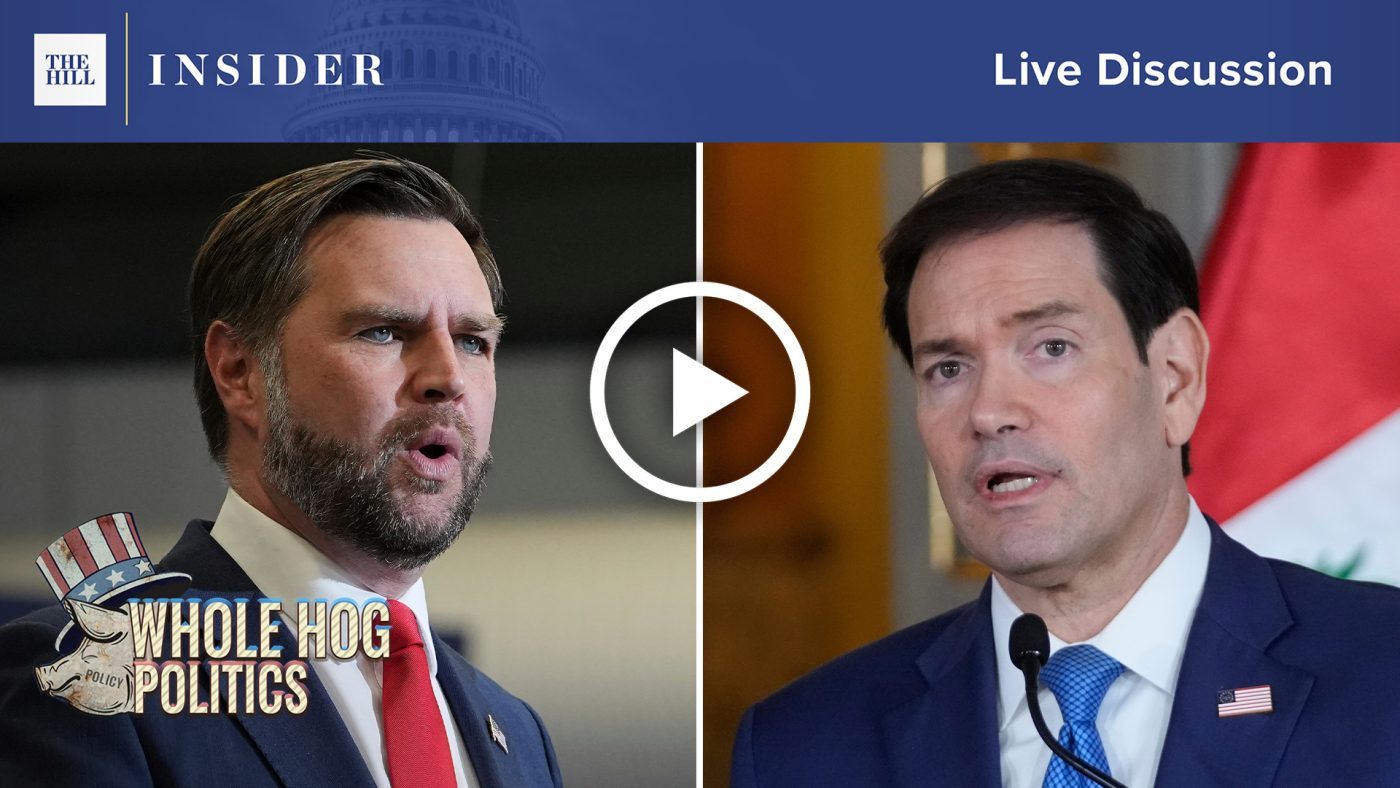
New polling reveals a notable shift in Republican voters' preferences for the 2028 presidential nomination, with Secretary of State Marco Rubio now leading Vice President JD Vance. The change marks a significant reversal from earlier surveys that had Vance as the clear front-runner.
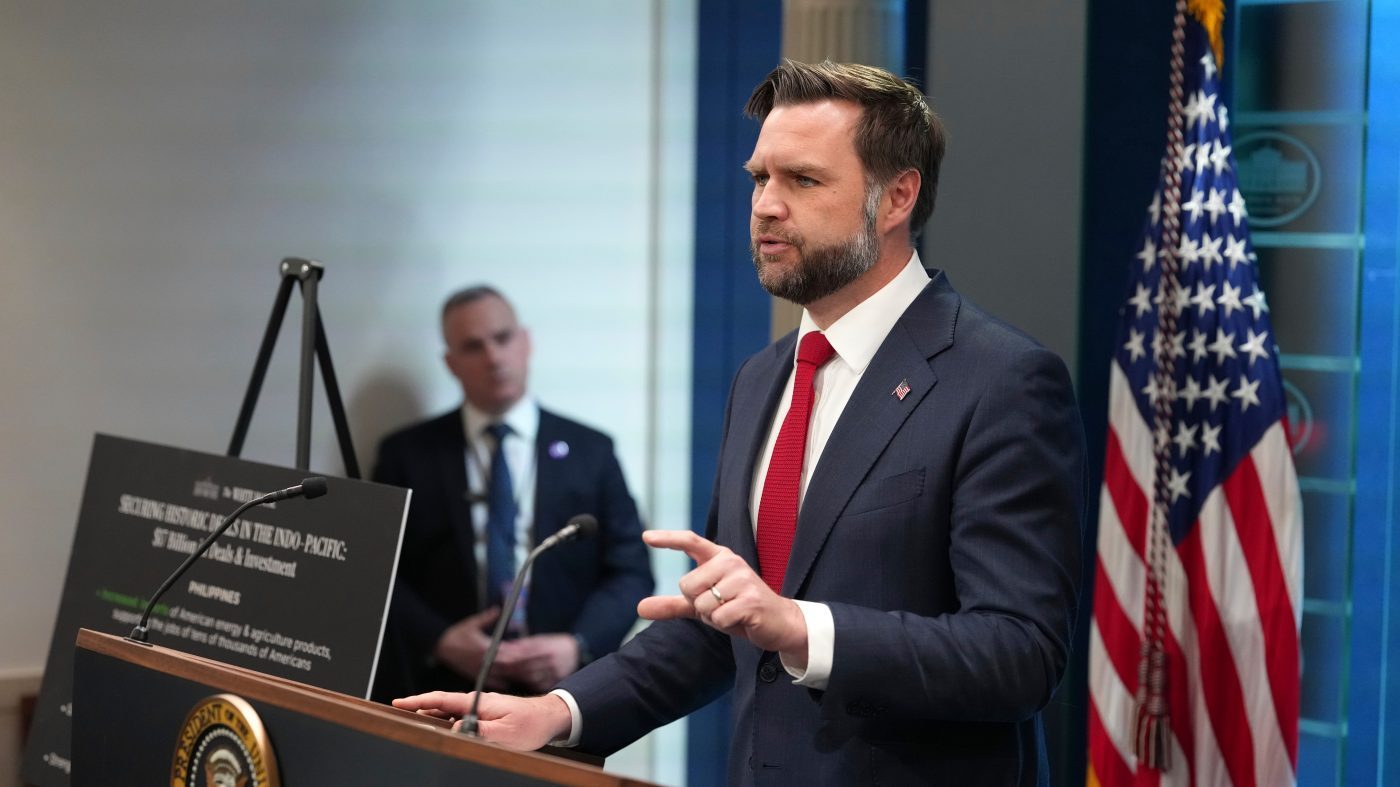
According to recent data, Rubio's support has surged while Vance's has slipped, a trend that political analysts attribute to several factors. Vance's combative style and hardline rhetoric on issues like Iran and technology outages may be wearing thin with a GOP base that is increasingly looking for a more electable candidate. In contrast, Rubio's role as Secretary of State has given him a statesmanlike aura, and his recent handling of diplomatic challenges has boosted his profile.
The shift is part of a broader recalibration within the GOP following the midterm elections, where the party underperformed expectations. The incoming freshman class of Congress has also raised concerns about a "self-loathing" view of politics in Washington, with many new members expressing frustration with the establishment.
Bill Sammon, senior vice president of editorial content at The Hill, and political editor Chris Stirewalt discussed these developments in a live edition of "Whole Hog Politics." They explored what is driving the shift and whether Vance can recover his standing.
One key factor is Vance's association with the administration's more controversial policies, including his dismissive comments about Americans needing to stockpile supplies amid tech outages. Rubio, meanwhile, has been careful to project a more measured image, even as he dismisses ties between recent tech outages and foreign adversaries.
Analysts also note that Rubio's appeal extends to key demographics, including Latino voters, who have shown signs of shifting toward the GOP in some regions, although midterm results were mixed. The party's long-term prospects may depend on broadening its coalition, a task that Rubio seems better positioned to undertake.
Another factor is the ongoing debate over foreign policy, where Vance has advocated for a more isolationist stance, while Rubio has taken a more traditional approach. Recent events, such as the Kerch Bridge strike in Ukraine, have highlighted the differences in their worldviews.
The 2028 race is still years away, but the polling shift suggests that Republican voters are already weighing their options. As the party navigates its post-Trump identity, the competition between Vance and Rubio will likely intensify.
For now, Rubio's momentum appears to be a reflection of his growing international stature and his ability to appeal to a broader segment of the party. Whether Vance can reverse the trend remains to be seen, but the dynamics of the race are clearly evolving.