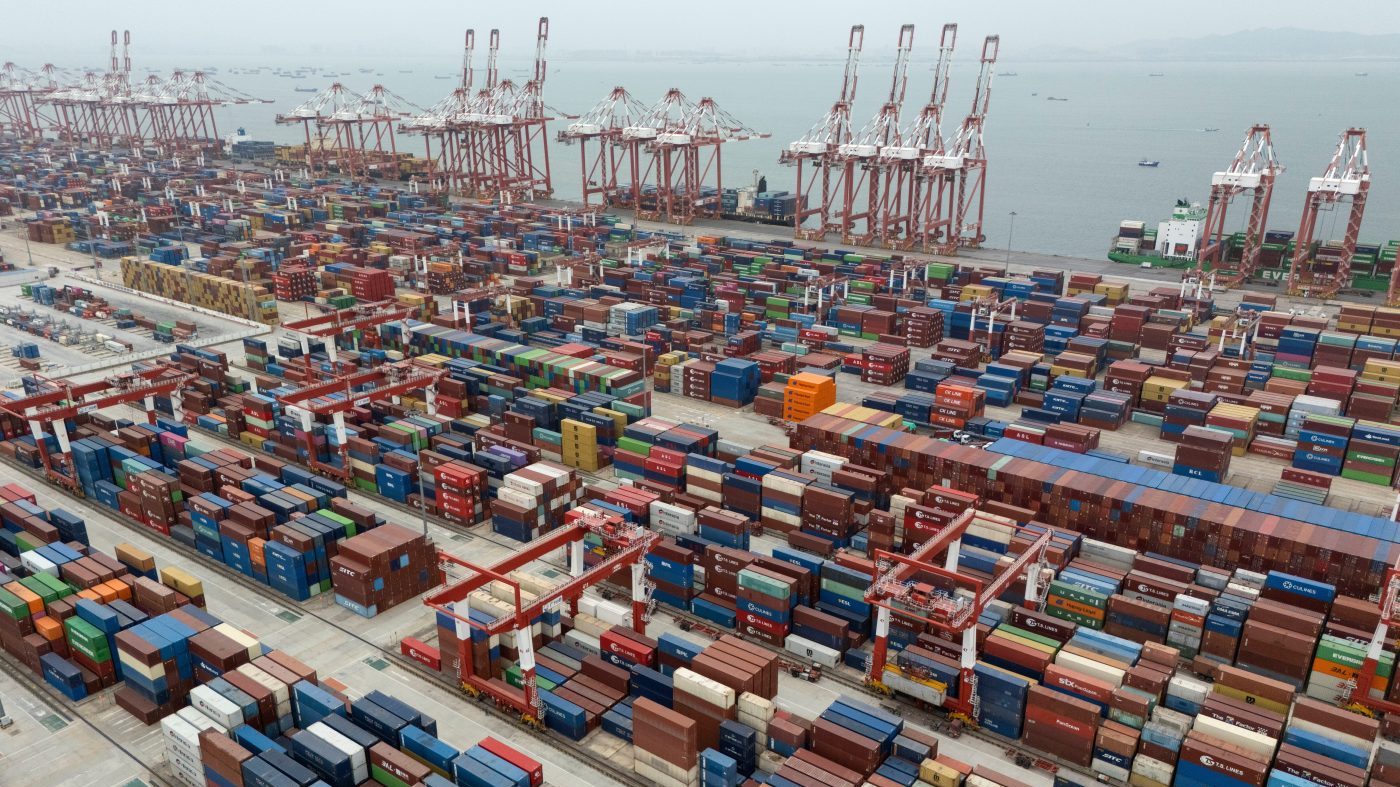
President Trump's latest round of tariffs, imposed on imports from 60 countries, has sparked sharp condemnation from key U.S. trading partners, who are calling the measures unwarranted and damaging to international commerce. The new duties, which range from 10 percent to 12.5 percent, took effect just after midnight on Friday and cover 99.4 percent of all goods entering the United States.
The administration justified the tariffs under Section 301 of the Trade Act of 1974, citing a four-month investigation that alleged forced labor in supply chains. However, officials from affected nations have dismissed the claims as lacking credible evidence.
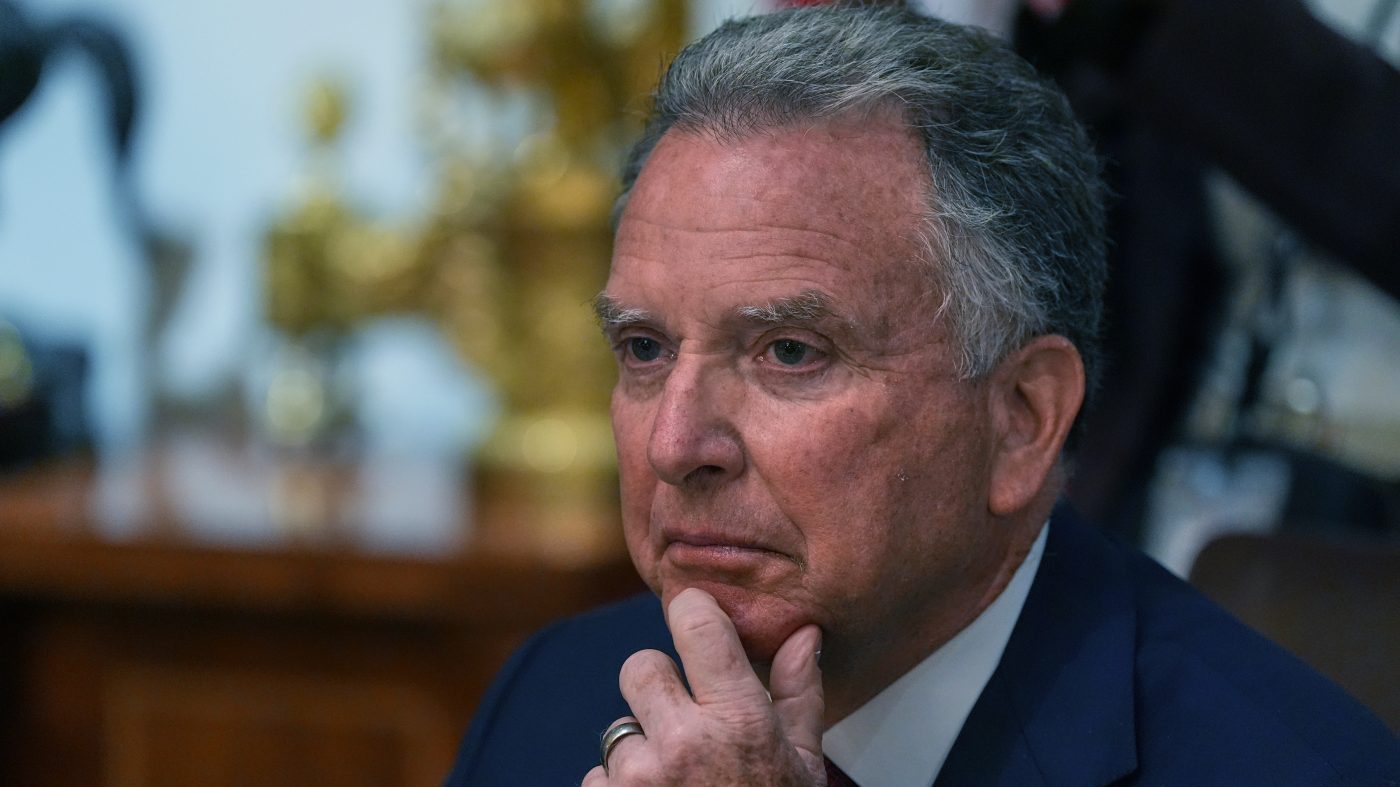
Australian Trade Minister Don Farrell was among the first to voice strong opposition. He rejected the allegations that Australia has failed to combat modern slavery, stating, “We believe that amongst all of the countries in the world Australia does take the issue of slavery, modern slavery, seriously, and will continue to do that.” Farrell called the tariffs “completely unjustified” and vowed to “continue to lobby the United States Trade Representative to remove all tariffs on Australian goods.”
New Zealand Prime Minister Christopher Luxon echoed that sentiment, describing the tariffs as “extremely disappointing.” In a post on social media platform X, Luxon wrote, “The US investigation did not provide meaningful evidence to support claims in relation to forced labour. Tariffs are not the way — they drive up costs and uncertainty for businesses.”
China, a frequent target of Trump's trade policies, also condemned the new levies. Spokesperson Lin Jian stated that Beijing “opposes all forms of unilateral tariffs,” adding, “Tariff wars and trade wars do not serve any parties’ interests.”
Japan, hit with a 12.5 percent tariff, expressed particular frustration. Chief Cabinet Secretary Minoru Kihara noted that Tokyo believed a prior trade agreement with the U.S. had capped duties at 10 percent, making the new measure a breach of understanding. “Our understanding is both sides are still committed to that,” Kihara said, calling the tariff “regrettable” given Japan’s adherence to international trade rules.
Singapore and South Korea have taken a more diplomatic approach, with Singapore pledging to seek alternatives through the Office of the U.S. Trade Representative, while South Korea said it would maintain “close contact” with Washington to preserve a mutual “balance of benefits.”
The new tariffs arrive as Trump’s 10 percent global tariff is set to expire Friday. That baseline tax was imposed after the Supreme Court struck down the bulk of his emergency tariffs earlier this year, a ruling that prompted debate over the Court's role in checking executive power. The administration's aggressive trade stance has also fueled tensions with allies, as seen in the ongoing feud between Trump and Senate leadership over stalled legislative priorities.
The broad backlash underscores growing unease among U.S. partners over the administration's unilateral trade policies, with many warning that such measures risk undermining global economic stability and trust in American leadership.