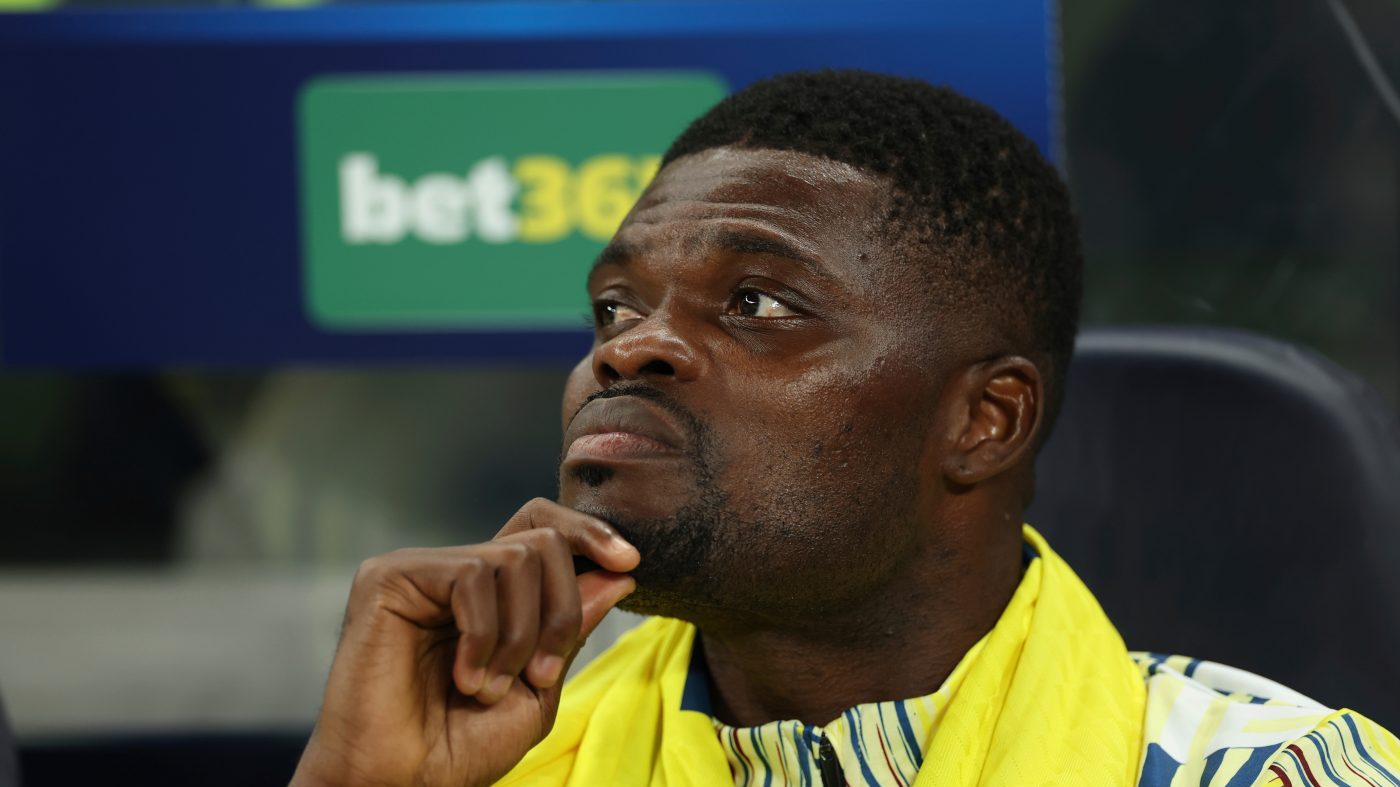
Ghana's World Cup campaign has suffered a major blow after star midfielder Thomas Partey was blocked from entering Canada, forcing him to miss his national team's opening match next week. The decision, first reported by The Athletic, marks an unprecedented moment in the tournament's history: a player barred from one of the three host nations—the U.S., Mexico, and Canada—due to legal troubles abroad.
Partey, who also plays for Villarreal CF in Spain's La Liga, faces seven counts of rape and one count of sexual assault in the United Kingdom. He has pleaded not guilty to all charges, according to ESPN. Canadian authorities denied him entry without specifying a reason, but the charges are widely seen as the trigger.
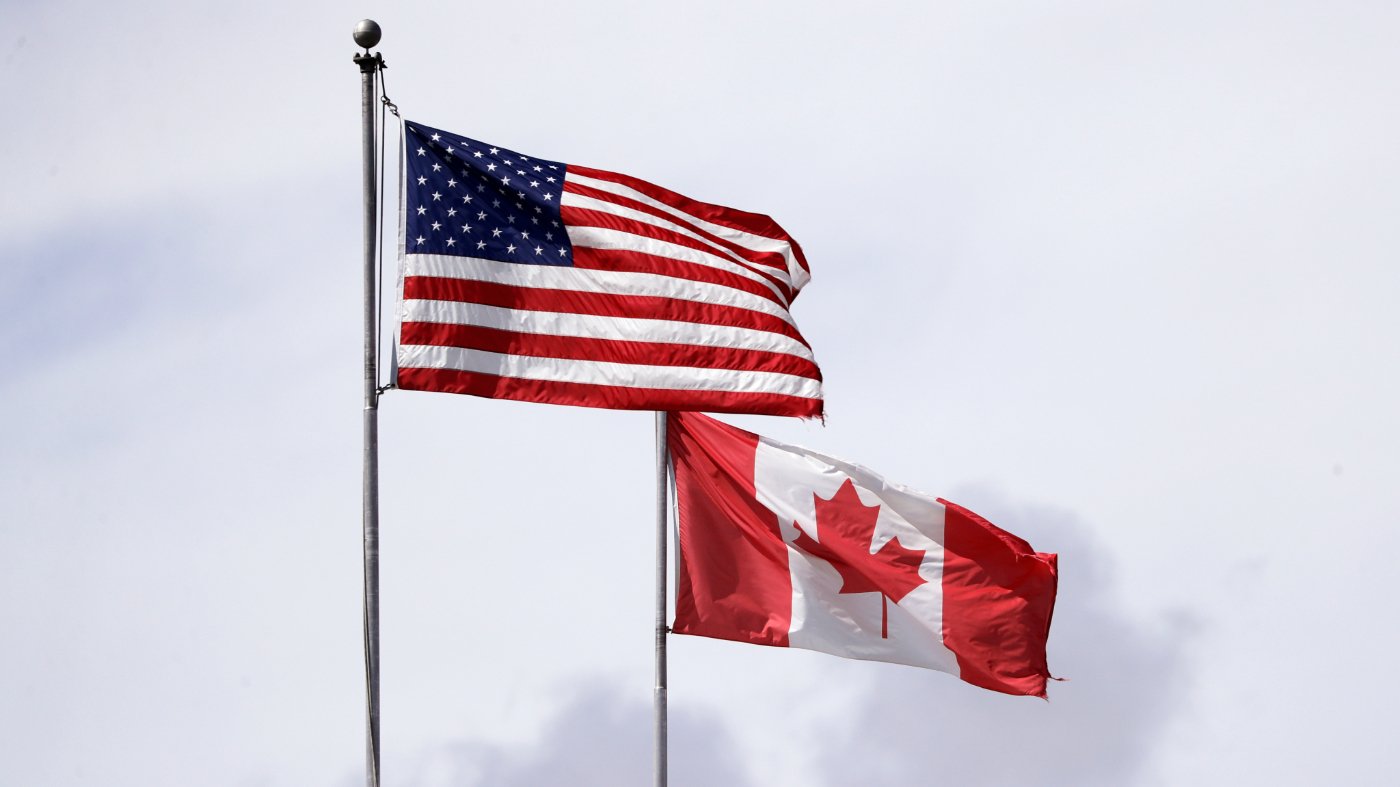
The Ghanaian government swiftly condemned the ruling, calling it “extremely unfair.” In a statement to The Athletic, officials argued the decision was “based on pending criminal proceedings in the United Kingdom that have not resulted in any conviction or judicial finding of guilt.” Foreign Minister Sam Okudzeto Ablakwa took to the social platform X to express his government's stance, emphasizing Ghana's commitment to “the rule of law, human rights, and the presumption of innocence.” He added that Ghana cherishes its “longstanding excellent bilateral relations with Canada” and hopes for a diplomatic resolution.
Partey's exclusion adds to a growing list of visa-related controversies shadowing the 2026 World Cup. Earlier this week, Somali referee Omar Artan was denied entry into the United States. U.S. Customs and Border Protection said he was “determined to be inadmissible due to vetting concerns,” though they did not name him directly. Artan is the only World Cup referee from Somalia.
Iranian forward Mehdi Taremi told ESPN that the visa hurdles—particularly those imposed by the U.S.—have created “a lot of tension” around the tournament, which kicked off Thursday in Mexico. The issue reached the Oval Office on Wednesday, when a reporter told President Trump that “people are afraid that it's going to be harder and harder to get visas to come from outside” to attend matches. Trump responded, “We're working on it very closely to make sure the right people come into our country.” The president also said he plans to attend some games himself.
On top of visa disputes, the Trump administration has imposed Ebola-related travel restrictions on several African nations, which could further complicate player and fan travel. Meanwhile, Trump's own comments on visa policy have turned the World Cup into a political flashpoint, with critics accusing his administration of politicizing the tournament.
Despite the controversies, the U.S. men's national team opened its campaign with a convincing 4-1 win over Paraguay on Friday night. A recent Emerson College poll, however, found that a plurality of Americans said they were “not at all interested” in the men's soccer tournament, suggesting the political drama may be overshadowing the sport.
Ghana is set to face Panama on Wednesday in Toronto, but without their star midfielder, the team faces an uphill battle. As the tournament progresses, the question of who gets in—and who gets left out—will remain a defining subplot of the 2026 World Cup.