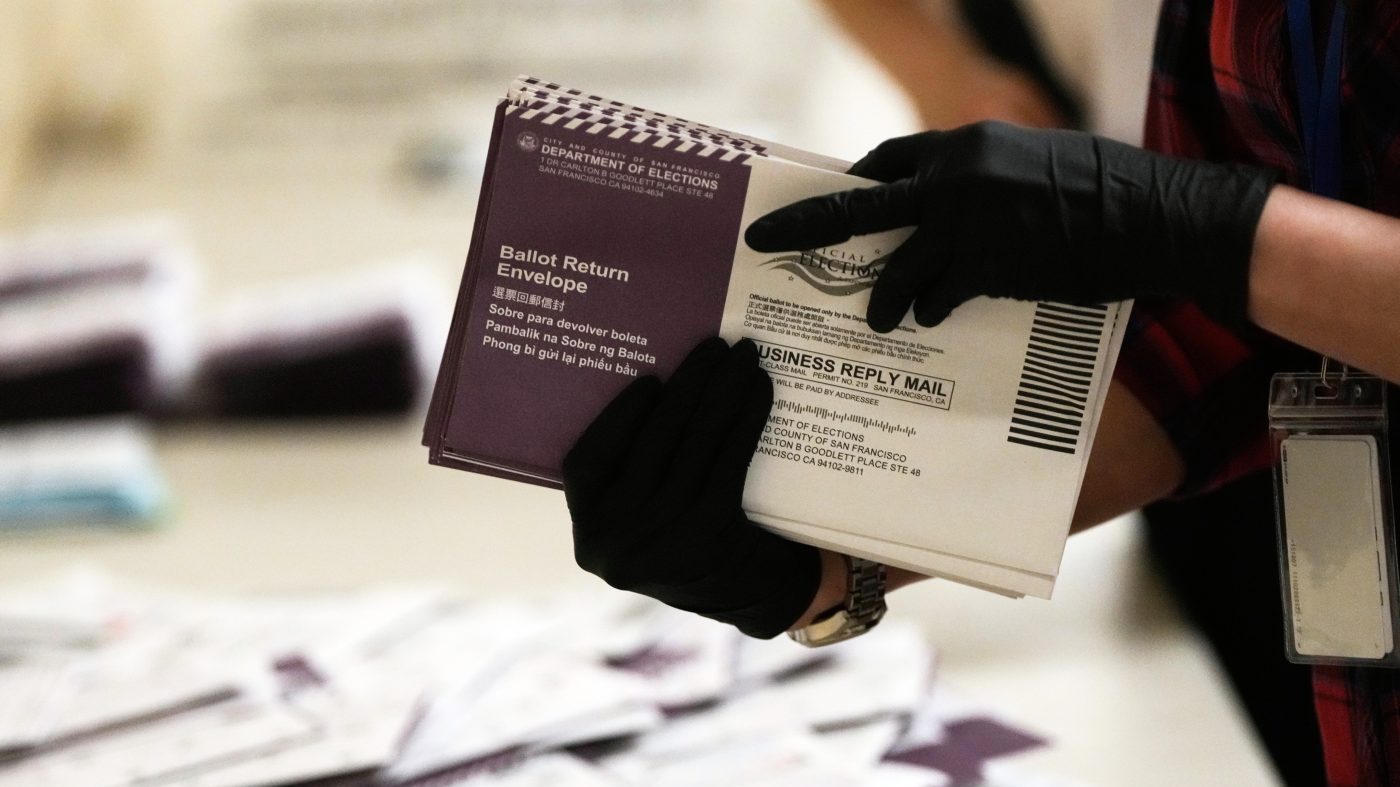
With the midterms looming, a fresh CBS/YouGov survey highlights a generational divide in concerns about electoral integrity. Only 4% of Gen Z respondents said they are worried about election fraud or cheating, compared with 14% of millennials, 21% of Gen Xers, and 23% of baby boomers. Instead, 17% of Gen Zers expressed anxiety over an “unwanted election outcome,” a figure higher than the 13% of millennials and Gen Xers and 11% of boomers who said the same.
This pattern reflects a deeper distrust of Washington, according to Dakota Hall, executive director of the Alliance for Youth Action (AYA). “Generally, Gen Z does not trust D.C.,” Hall told The Hill. “Nor is trust built for them in D.C. It’s built for them down the street.” Hall pointed to New York City Mayor Zohran Mamdani (D) as an example of how local leadership earns credibility. Mamdani’s focus on fixing potholes and renovating basketball courts resonates with young voters because it directly improves their daily lives. Hall cited a podcast interview where comedian Theo Von told Mamdani, “You’re just giving people a chance to breathe,” a sentiment that encapsulates why local action matters.
Scandals in the capital, such as the release of the Jeffrey Epstein files or revelations about President Trump’s inflated earnings while in office, further erode Gen Z’s faith in national politics. AYA’s October polling found that corruption in the political system either tied or beat jobs and the economy as a top concern for young adults in surveyed states. “A lot of people view the corruption as to why they can’t get a job,” Hall explained. Interestingly, some young voters initially supported the Department of Government Efficiency (DOGE) efforts, believing they would “even the playing field.” However, economic conditions have worsened with rising living costs, complicating that optimism.
Hall emphasized that Gen Z is far more discerning than often assumed. “Young people have the highest bulls‑‑‑ meter of all time, and they’re more informed than people believe them to be,” she said. While younger adults may not rely on legacy media, they consume news through social media and trusted influencers, much like their engagement with local politics. This familiarity breeds a different kind of trust, one that politicians must adapt to. “We have to talk like normal people,” Hall urged. “That’s where Gen Z is going to make that change.”
Dylan Hedtler‑Gaudette, who leads government affairs at the Project on Government Oversight, suggests that Gen Z’s digital savvy might explain their lower focus on election corruption. “Younger people are a bit more competent at understanding, especially in the sort of digital space, being in social media or the traditional internet or anywhere else, how to make distinctions between actual information and bulls‑‑‑,” he told The Hill. This media literacy allows them to sift through noise and focus on what they perceive as more pressing issues.
Whether Gen Z will translate this engagement into votes remains an open question. Some surveys indicate record motivation: an URGE and HIT Strategies poll found 93% of young voters said they “will certainly” or “probably” vote in the midterms. Yet a Harvard Kennedy School poll found only 33% of Americans aged 18-29 plan to definitely vote, down from 40% in 2018 and 2022. That same poll showed 50% of Gen Z Democrats intend to vote, compared with 34% of Republicans.
The Grand Bargain Project’s analysis of 2024 turnout noted, “Young people care. They are highly engaged through social media and online. They do not vote because they do not think it will make any difference.” The group added, “More empty promises and inspired talking points will not convince them otherwise. Generation Z is disillusioned with political pandering. It will take a new approach to bring them to the ballot box. It will take real, legitimate change.”
Alexander Brown, youth leadership analyst and CEO of Together!, is more optimistic. “Gen Z is now feeling that their voice has to translate over into electoral power,” he told The Hill. “We understand that the catalyst is translating that over to our vote.” With rising gas and energy prices, affordability is a key motivator. “Gen Z is influenced by digital trends and social media that are able to tailor to their needs. Ultimately, what Gen Z wants are things broken down into layman’s terms, to know how it will benefit them,” Brown said. He criticized past issues as “political theater,” but believes current challenges demand concrete policy shifts. “We don’t want to live a life of tough times,” he added, predicting Gen Z will show up “in droves” to elect leaders at all levels.
The stakes are high, and as split-ticket voters may decide key races, Gen Z’s participation could shape outcomes. Meanwhile, controversies like allegations of stolen elections abroad and legal battles over certification in Alaska underscore the broader fight over electoral trust. For Gen Z, the path to the ballot box runs through local credibility and tangible results.