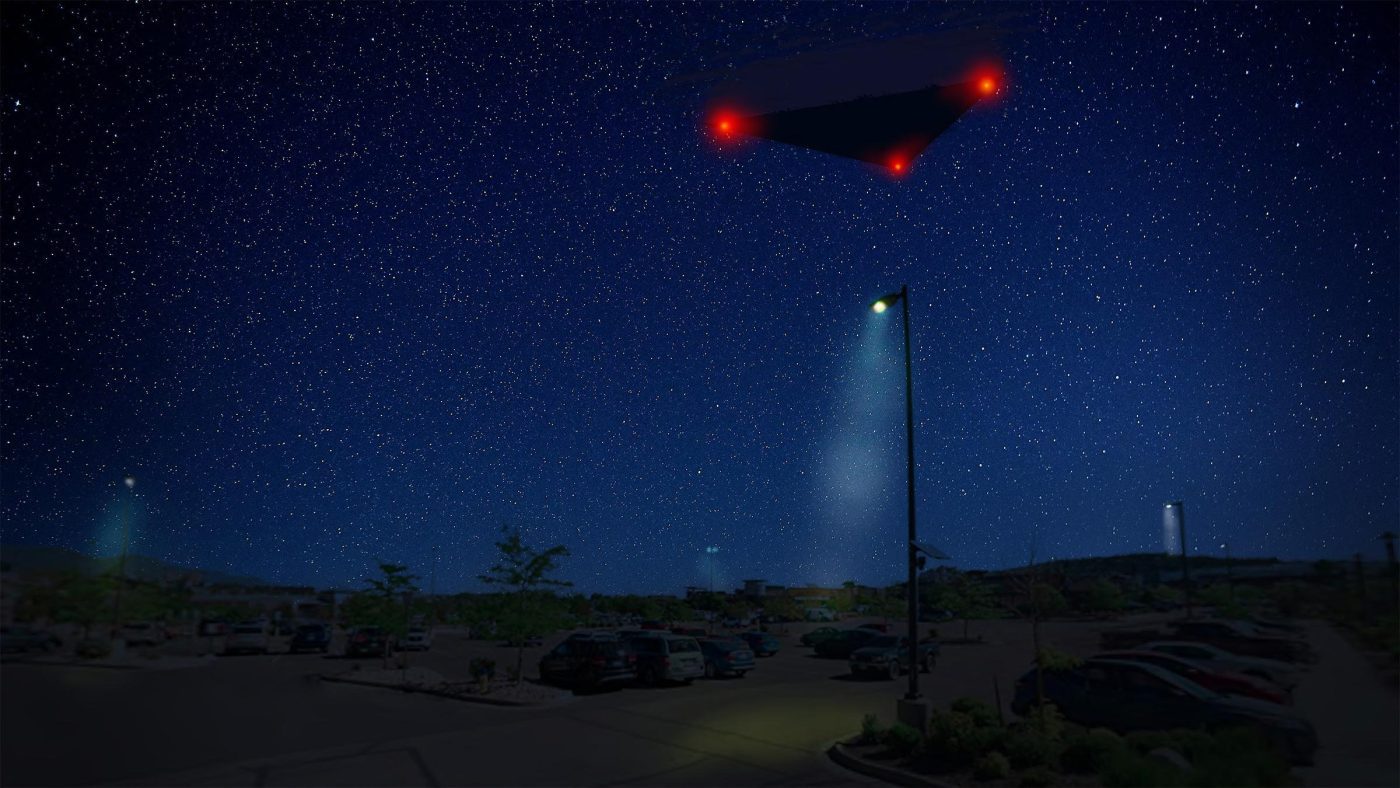
Despite heightened public attention on unidentified flying objects—now officially termed Unidentified Anomalous Phenomena (UAPs)—a new Gallup survey reveals that nearly half of Americans remain unconvinced that these sightings involve extraterrestrial visitors. The poll, conducted July 1-19 among 1,200 U.S. adults, shows 49% believe all UFO sightings can be explained by human activity or natural phenomena, while 37% think at least some are alien spacecraft, and 13% are unsure.
The share of skeptics has declined from 60% in 2019 and 50% in 2021, but the shift reflects growing uncertainty rather than a surge in belief in aliens. The percentage of Americans without an opinion has nearly doubled from 7% in 2019 to 13% now. This trend aligns with the recent release of declassified Pentagon documents and the establishment of a new UAP Governance Board under President Trump, which have fueled public debate but not necessarily conviction.
Demographic patterns emerge in the data: men are more skeptical than women, younger adults (ages 18-29) more skeptical than older generations, and college graduates more skeptical than those without degrees. UAP sightings are most commonly reported by men, middle-aged adults, non-college graduates, and residents of the eastern and western United States.
Whistleblower claims that the government possesses more information than it has disclosed have sparked congressional inquiries and public interest. More than four in five Americans say they have heard or read about UFOs, a figure consistent with 2019 but lower than in earlier decades. Only 17% report having seen what they believe was a UFO, but among that group, 61% think some of these objects are alien in nature.
The most striking finding is the widespread distrust of official transparency. A commanding 78% of Americans believe the government knows more than it is telling the public about UAPs—up from 68% in 2019 and 71% in 1996. Only 17% think the government is fully forthcoming. This sentiment cuts across party lines, with similar views among Democrats, Republicans, and independents.
The poll's margin of error is ±4 percentage points at the 95% confidence level. The results come amid broader public skepticism toward government institutions, as reflected in recent surveys on topics ranging from generational trust to deportation policies.
While the Pentagon has released unclassified UAP videos and reports, many questions remain. The new UAP Governance Board, created by executive order, is tasked with coordinating government efforts on UAP detection and analysis. However, as the Gallup data suggest, the public remains divided on what these phenomena are—and deeply suspicious that officials are not sharing everything they know.