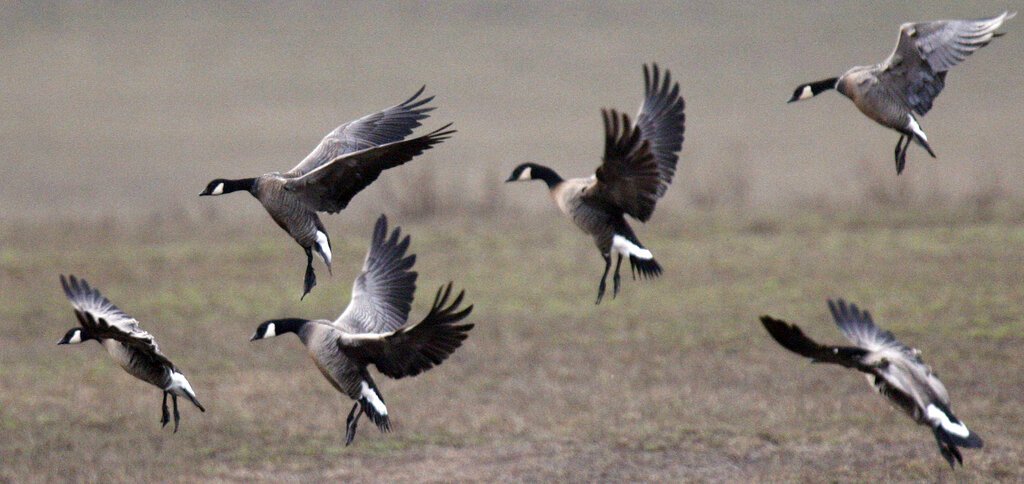
The U.S. Fish and Wildlife Service (FWS) has unveiled a historic proposal that would open more than 95 percent of the National Wildlife Refuge System—over 92 million acres—to hunting and angling. Director Brian Nesvik announced the plan, which would create 1,450 new access opportunities across 32 states, including 14 refuges and hatcheries where these activities would be permitted for the first time.
Regulatory Overhaul and State Alignment
The proposal goes beyond access expansion. It eliminates more than 500 outdated or redundant regulations, aiming to simplify rules that have long confused sportsmen about where and how they can hunt or fish. By aligning federal rules with state wildlife management frameworks via Secretary’s Order 3447—titled Expanding Hunting and Fishing Access, Removing Unnecessary Barriers, and Ensuring Consistency Across Department of the Interior Lands and Waters—the FWS intends to shift decision-making back to state agencies, which have deeper knowledge of local landscapes and species.

Economic and Conservation Impact
The move is framed as a win for sustainable-use conservation and rural economies. According to the FWS’s latest survey, nearly 40 million Americans fish and over 14 million hunt. The outdoor recreation industry generated $394 billion in economic activity in 2022, with hunting and fishing alone accounting for more than $144 billion. Rural communities near refuges stand to see increased spending in retail, hospitality, and transportation as access grows.
Hunters and anglers also fund conservation through excise taxes and licensing fees, which support habitat restoration, land acquisition, and wildlife research. This funding benefits both game species—like mallards and white-tailed deer—and non-game wildlife such as songbirds. The administration argues that expanded access will boost license revenues and create more Americans with a direct stake in public land stewardship.
Political Context and Urgency
The proposal aligns with the administration’s “Make America Beautiful Again” agenda, emphasizing that the best stewards of public lands are those most connected to them. However, the comment period, which opened May 27, closes June 26—a narrow window for public input. Critics and supporters alike are urged to weigh in.
This expansion comes amid broader debates over federal land use. For comparison, the Trump administration previously opened three Pacific marine monuments to commercial fishing, a move that drew sharp criticism from conservation groups. Meanwhile, other policy battles—such as the proposed rule threatening public science behind cancer breakthroughs and the Rollins plan to gut the Forest Service—highlight ongoing tensions between development and preservation.
W. Laird Hamberlin, CEO of Safari Club International, praised the proposal as “achievable, commonsense, conservation-minded policy” that doesn’t come along often. He called for broad public support to preserve wildlife and America’s outdoor heritage.
The FWS’s proposal represents a significant shift in federal land management, prioritizing recreational access and state-led conservation. Whether it withstands political headwinds remains to be seen, but for now, it marks the largest expansion of its kind in the agency’s history.