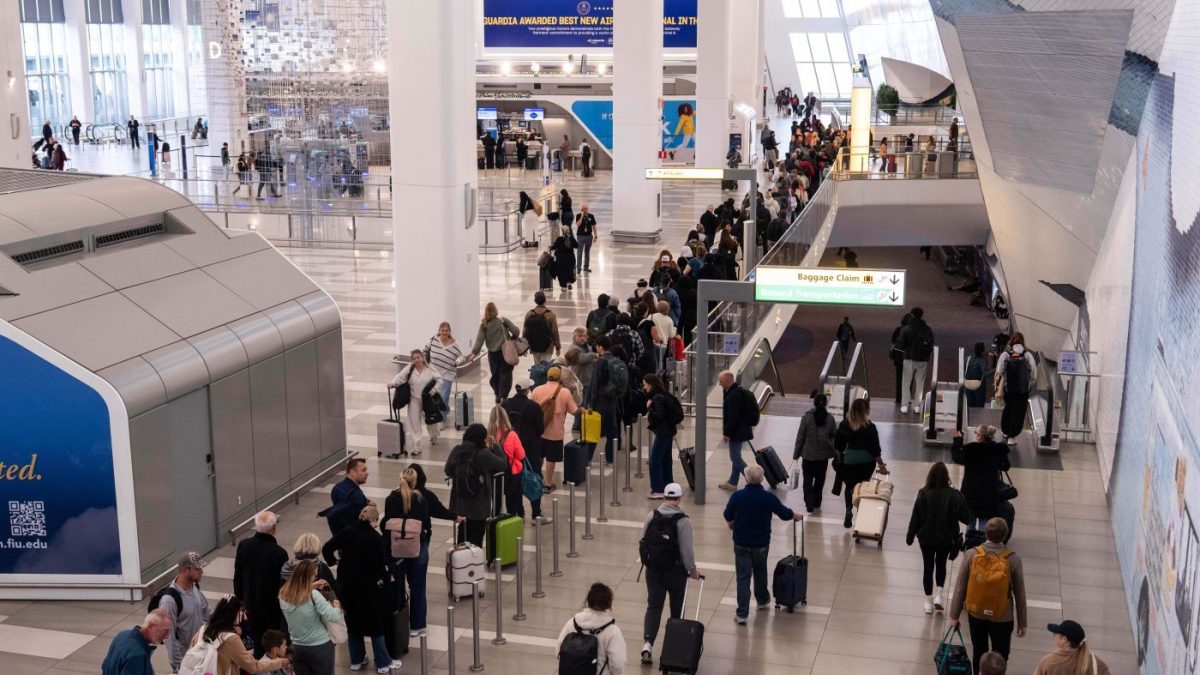
With summer winding down and back-to-school season approaching, many Americans are squeezing in last-minute getaways. But for those planning to fly, failing to carry a compliant ID could turn a quick trip into a costly hassle. New rules from the Transportation Security Administration impose a $45 fee and additional screening for passengers without a REAL ID-compliant license or other accepted identification.
The REAL ID requirements officially took effect in May 2025, but the agency initially issued warnings to non-compliant travelers. That changed in February when TSA rolled out TSA ConfirmID, a process that allows passengers without a REAL ID to verify their identity using biographic or biometric information before arriving at the airport. The system also checks travelers against the Secure Flight watch list.

Under the new protocol, passengers who opt into ConfirmID must pay a $45 fee, which Adam Stahl, the senior official performing the duties of deputy administrator for TSA, said is designed “to cover verification of an insufficient ID.” After completing the process and paying the fee, travelers receive a receipt to present at the TSA checkpoint, where they will face “additional ID verification, screening measures and potential delays,” according to the agency.
While ConfirmID is optional, TSA warns that declining it without a REAL ID-compliant form of identification could result in being denied entry through security and potentially missing the flight. The agency has been under pressure to balance security with passenger convenience, especially as GOP leaders spin legislative wins on border and aviation security ahead of the midterms.
Do You Already Have a REAL ID?
Chances are, your current driver’s license or state ID is already REAL ID-compliant. The easiest way to tell is to look for a star on the card. The star may be black or gold, filled in or outlined—either way, it signals compliance. Some states, including Minnesota, Michigan, New York, and Vermont, issue both REAL ID-compliant IDs and enhanced driver’s licenses. Washington state only issues the latter. Enhanced licenses are marked with a flag instead of a star and contain a chip that facilitates land or sea entry into the U.S. from Canada, Mexico, or the Caribbean, according to U.S. Customs and Border Protection. However, REAL IDs cannot be used for border crossings.
If you don’t have a REAL ID, TSA accepts several other forms of identification, including a U.S. passport, a Department of Defense ID (including those issued to dependents), and photo IDs issued by a federally recognized Tribal Nation or Indian Tribe, such as Enhanced Tribal Cards. At select airports, digital IDs like Clear, Apple Digital ID, and Google ID passes are also accepted. Expired IDs are honored for up to two years past their expiration date.
For domestic travel, a REAL ID is not strictly necessary if you carry one of these alternatives. The agency emphasizes that REAL IDs remain optional, though the need for one depends on your travel patterns. The rollout has been gradual, but the new fee structure has sparked debate about access and equity, echoing broader concerns over voting rights under siege in some states.
Travelers are advised to check their identification well before heading to the airport. The $45 fee and potential delays are a sharp reminder that the era of relaxed ID enforcement is over. For those still unsure, the TSA website offers a detailed list of accepted IDs and the steps for using ConfirmID. As summer travel peaks, knowing what’s in your wallet could save you time and money.