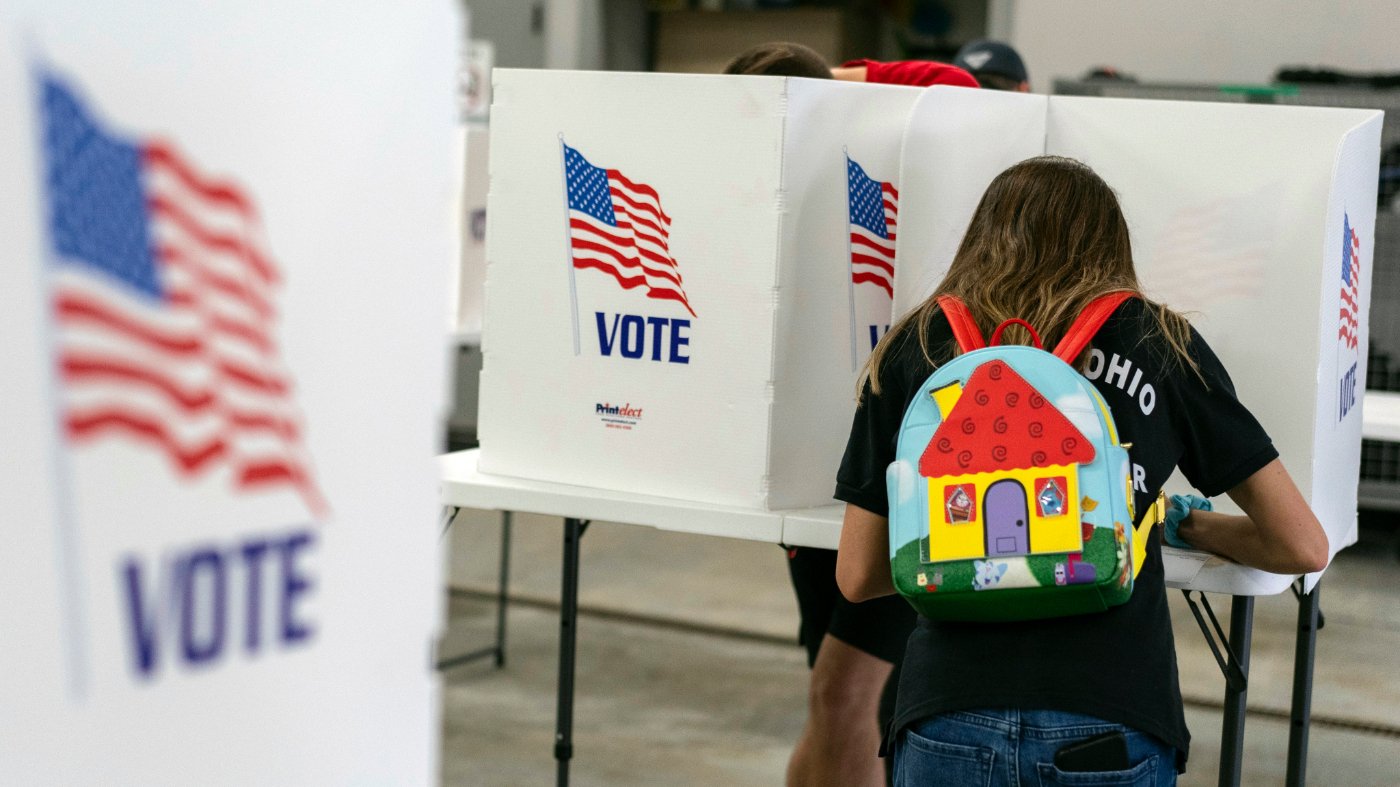
As Ohio regains its battleground status ahead of November’s midterm elections, the state is making unwelcome headlines. In recent weeks, a dual assault on voting rights has unfolded: Republican lawmakers in Columbus have pushed legislation and a ballot measure to tighten voter ID requirements, while the FBI—acting on what critics call Washington’s orders—raided the offices of a respected voting rights group.
The Republican-controlled statehouse attempted to pass a bill requiring voters to submit physical copies of photo IDs for mail-in ballots, a measure Governor Mike DeWine vetoed as both harmful and unnecessary. Simultaneously, GOP leaders forced a November ballot measure to enshrine Ohio’s existing voter ID law into the state constitution—a move critics call a costly, symbolic stunt that solves no real problem.
Ohio’s elections are already safe and secure, as DeWine and Secretary of State Frank LaRose have acknowledged. LaRose himself called them the “gold standard.” Yet Republican officials continue to push restrictions, including a proposal by State Treasurer Robert Sprague to eliminate drop boxes—devices local election officials and advocates describe as a lifeline for disabled voters, seniors, and working Ohioans.
The legislative push mirrors the federal SAVE Act, which the Columbus Dispatch editorial board slammed as “the worst elections bill we’ve seen in generations.” But the most shocking development came when the FBI raided the Ohio Organizing Collaborative, a nonprofit with a 20-year record of registering underrepresented communities. Agents seized materials and visited the homes of staff and volunteers without explanation, sparking accusations of federal overreach.
Kathleen Clyde, chair of the Ohio Democratic Party, condemned the raids as an attempt to “stoke fear, spread confusion, and silence voters.” In a statement, she argued that the GOP’s actions have nothing to do with election integrity and everything to do with boosting turnout among their base by manufacturing outrage over a nonexistent problem.
The attacks on voting rights come as Ohioans face rising costs and economic strain. Clyde noted that voters want leaders focused on lowering expenses, not erecting barriers for seniors, military members, disabled people, and college students. “What Ohioans do not want,” she said, “is federal law enforcement weaponized to target organizations that help register eligible voters.”
The controversy echoes broader national battles over election access. In a similar vein, Senator Jon Ossoff recently warned that Trump’s rhetoric signals an assault on midterm voting rights. Meanwhile, the Pentagon has faced scrutiny for concealing injuries from Iran strikes, and a plot to attack World Cup fan zones was foiled by DHS.
With Election Day approaching, advocates stress that eligible voters must feel confident they can participate without fear or confusion. “Voting is how Ohioans make their voices heard,” Clyde said. “It is the core foundation of our democracy—something statehouse Republicans seem to have forgotten.”