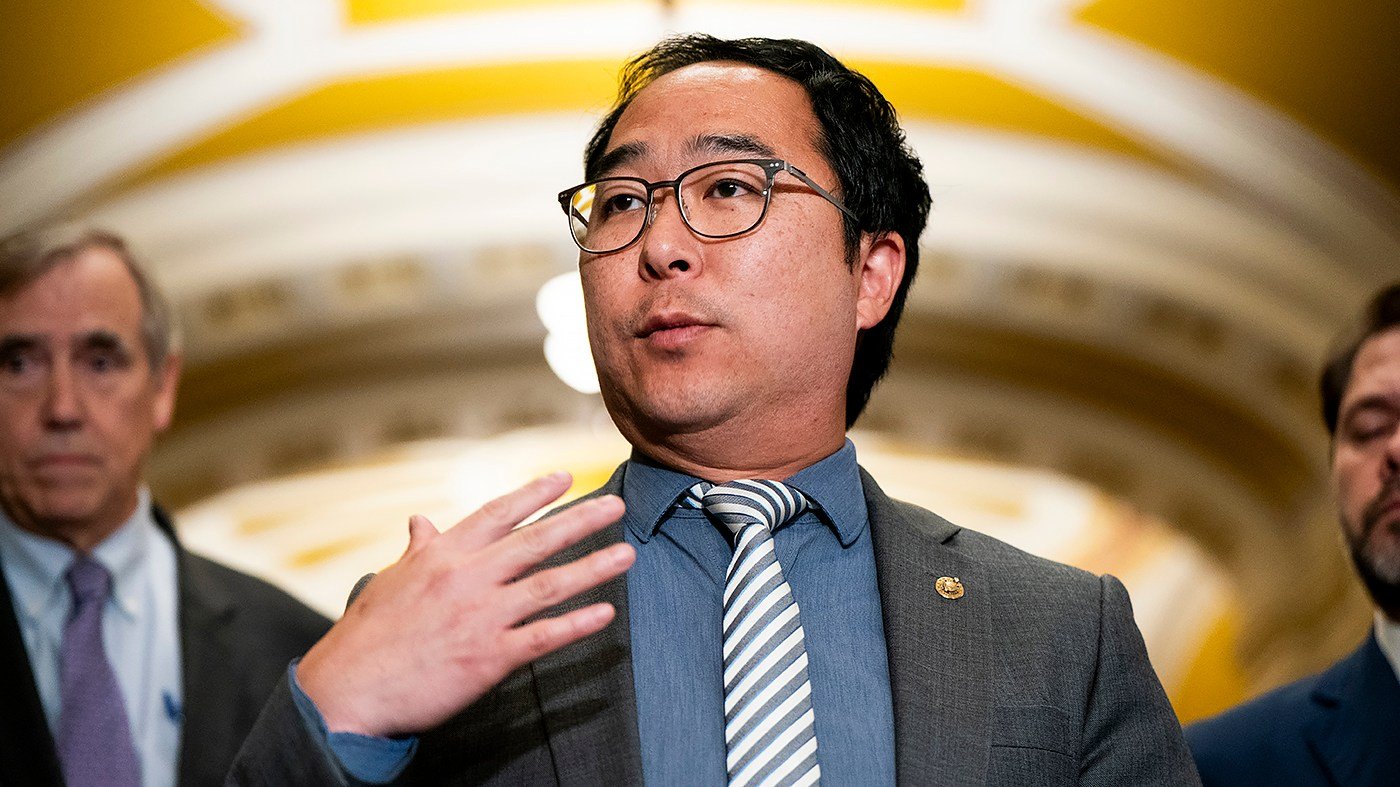
Rep. April McClain Delaney (D-Md.), a freshman member of the House Agriculture Committee, is pressing Congress to reverse a funding and enforcement crisis that has left America's food safety system dangerously weakened. In an impassioned appeal, she warns that the government's failure to act is endangering public health and national security.
Delaney, who grew up on a potato farm in Idaho, said her father, a former president of the Potato Growers of Idaho, taught her that food security is not just a slogan but a matter of national security. Now, she says, the agencies responsible for keeping food safe have been hollowed out, leaving families to wonder if the food they feed their children is safe.

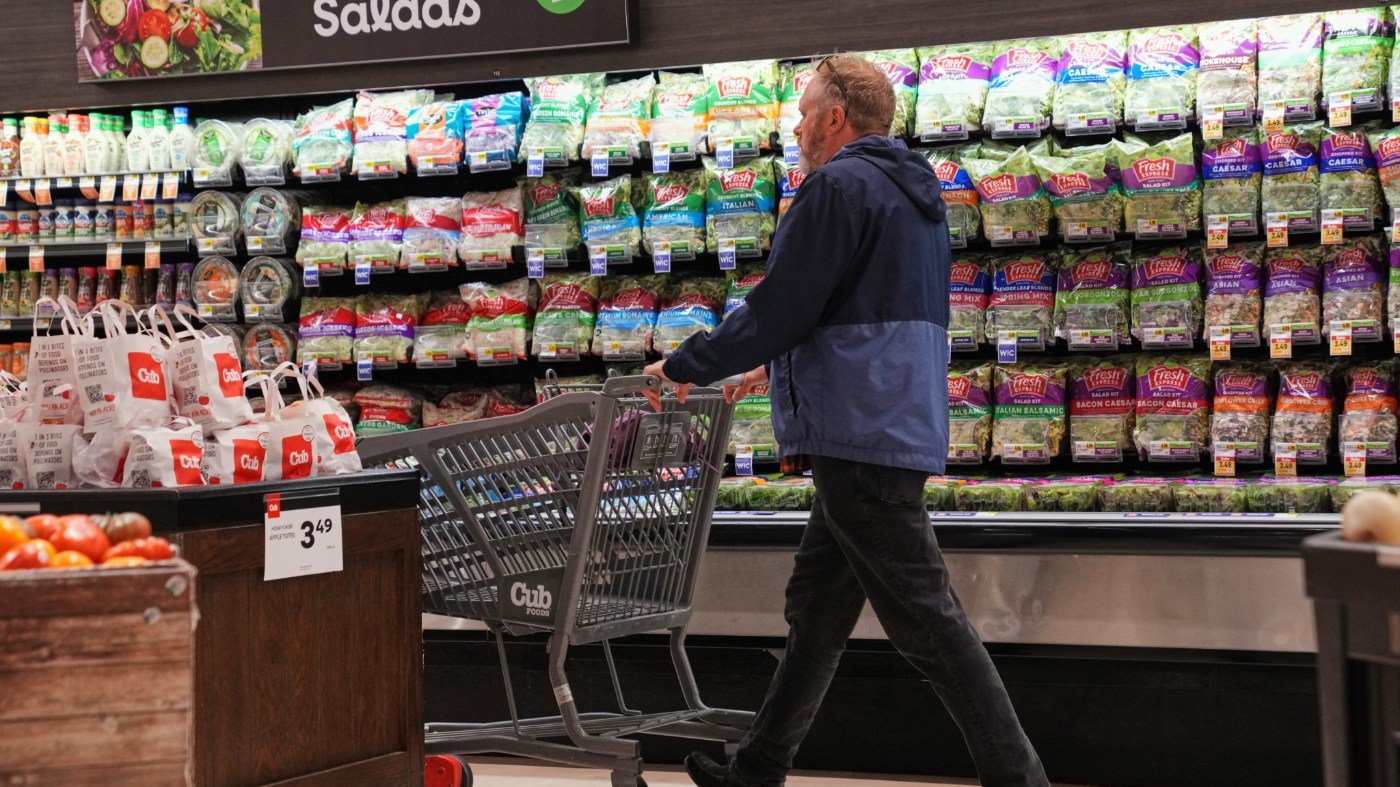
This summer, nearly 11,000 Americans were sickened in a cyclosporiasis outbreak linked to iceberg lettuce. The FDA did not send an inspector to the Mexican facility that grew the lettuce until 52 days after the first reported illness, and that was the first visit since 2019. A separate salmonella outbreak linked to jalapeños has sickened 431 people in 32 states. The Trump administration's plan to accept up to 300,000 metric tons of imported ground beef without specifying inspection protocols has raised further alarms.
Delaney's district, which spans farms and suburbs in Maryland, has felt the impact directly. Recalled lettuce was distributed locally, and older residents are particularly vulnerable to severe infections. Farmers in her district, who meet every U.S. standard, are undercut by imported produce that faces looser inspection.
The crisis extends beyond inspections. The Agricultural Research Service has been cut, and the Beltsville Agricultural Research Center in Maryland is slated for decommissioning, despite its work on pathogens linked to outbreaks. Farm bankruptcies are up 46 percent, and the CDC has reduced its FoodNet surveillance from eight pathogens to two.
Delaney points to the FDA's failure to meet its legal mandate of roughly 19,200 foreign inspections per year, averaging fewer than 1,000 annually from 2018 to 2023. With only 20 inspectors abroad, the system is severely under-resourced. The USDA inspection service lost 8 percent of its workforce in early 2025, and the FDA and CDC together lost more than 7,000 employees.
The traceability rule, which would require companies to produce tracing records within 24 hours, was set to take effect in January but was barred from enforcement until 2028 by this year's appropriations bill. Delaney is leading the fight to reverse that delay, supported by eleven food safety organizations.
Delaney argues that the remedy is straightforward: restore the traceability rule, fund foreign inspections toward the legal requirement, and protect the research that makes both possible. She warns that without these steps, the system will continue to fail, and families will remain at risk. As she put it, "Food security is national security. It is time we started treating it that way."