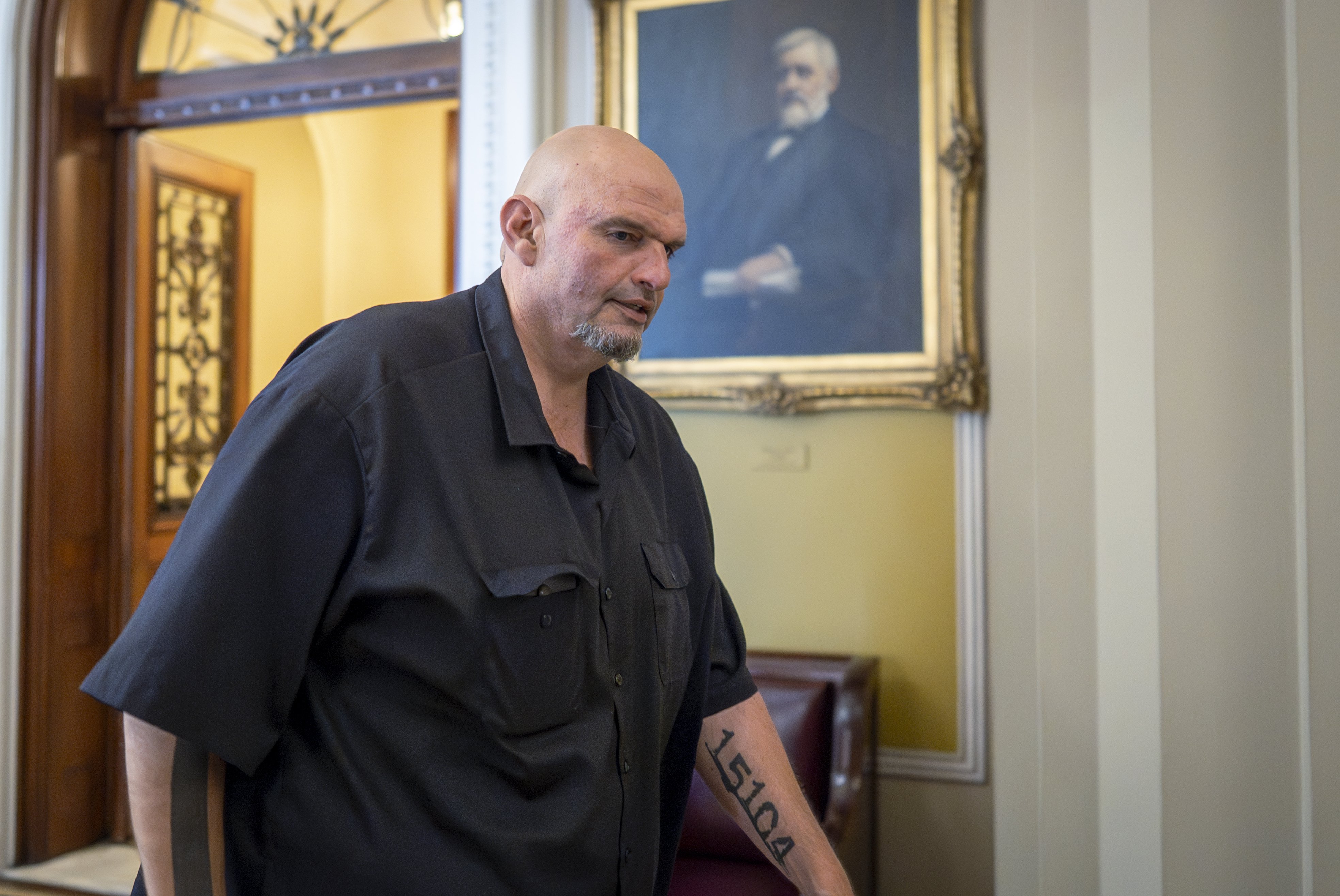
Sen. John Fetterman (D-Pa.) acknowledged Tuesday that his party’s earlier push to scrap the Senate filibuster was a mistake, warning that doing so would trigger “profound ramifications” for American governance.
“One thing I was absolutely wrong on, and I’ve been very open about it, is that in my cycle in ’22, we were running to eliminate the filibuster. And we were so wrong, so wrong about that,” Fetterman said on Katie Miller’s podcast.
Fetterman credited former Sens. Kyrsten Sinema (I-Ariz.) and Joe Manchin (I-W.Va.) for preserving the 60-vote threshold, calling them “vindicated.” In 2022, both broke with their party to block the repeal effort, arguing it protected minority rights in the chamber. At the time, Fetterman criticized their stance, claiming the filibuster was stalling popular legislation.
Now, he sees it differently. “We have the risk of if we lose the filibuster, then the rights of the minority, whether that will be Democrat or Republican minority, would have effectively little to no voice,” Fetterman said. “And if we become a smaller version of the House, that would have profound ramifications for the United States, and that would be dangerous.”
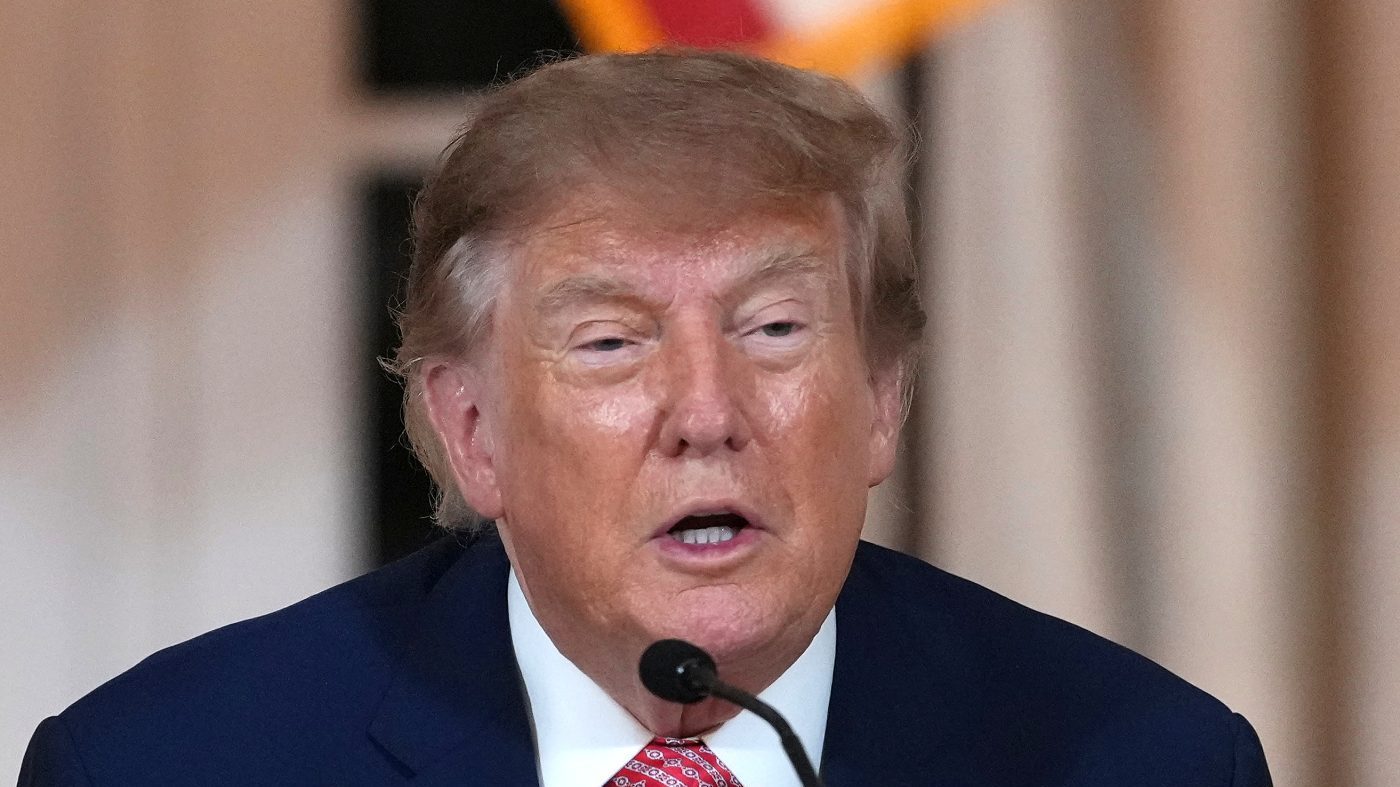
His reversal comes as President Trump and some Republicans push to eliminate the filibuster to advance the SAVE Act and other GOP priorities. However, Senate Majority Leader John Thune (R-S.D.) has resisted that pressure, insisting the procedure remains vital to the upper chamber’s identity. Fetterman’s remarks also reflect a broader reckoning among Democrats, as the party grapples with fundraising struggles and internal divisions over strategy.
The debate over the filibuster has intensified amid Trump’s second term, with some Republicans arguing it blocks action on border security and election integrity. But Fetterman’s shift suggests a bipartisan consensus may be forming around preserving the rule, even as Democrats continue to clash with the administration on other fronts, such as AI restrictions in the defense bill.
“Thankfully, Sinema and Manchin were vindicated,” Fetterman added, signaling a rare moment of unity across party lines. The senator’s evolution underscores the high stakes of any filibuster change, as lawmakers weigh the trade-offs between legislative efficiency and minority safeguards.