Senator John Fetterman (D-Pa.) offered a nuanced assessment of the ongoing Department of Homeland Security shutdown Friday, acknowledging that the deployment of Immigration and Customs Enforcement officers to major airports appears to have improved some operational aspects. His comments come as the prolonged funding lapse triggers widespread staffing crises at security checkpoints, causing closures, long lines, and flight disruptions nationwide.
ICE Fills Security Gaps as Shutdown Drags On
President Trump ordered the deployment of ICE personnel to more than a dozen airports to mitigate severe Transportation Security Administration shortages. While most DHS employees are working without pay, an increasing number are calling out sick, exacerbating the travel chaos. "It seems that it has enhanced some kinds of performance across there, yeah," Fetterman told independent journalist Nicholas Ballasy, referencing the ICE presence.
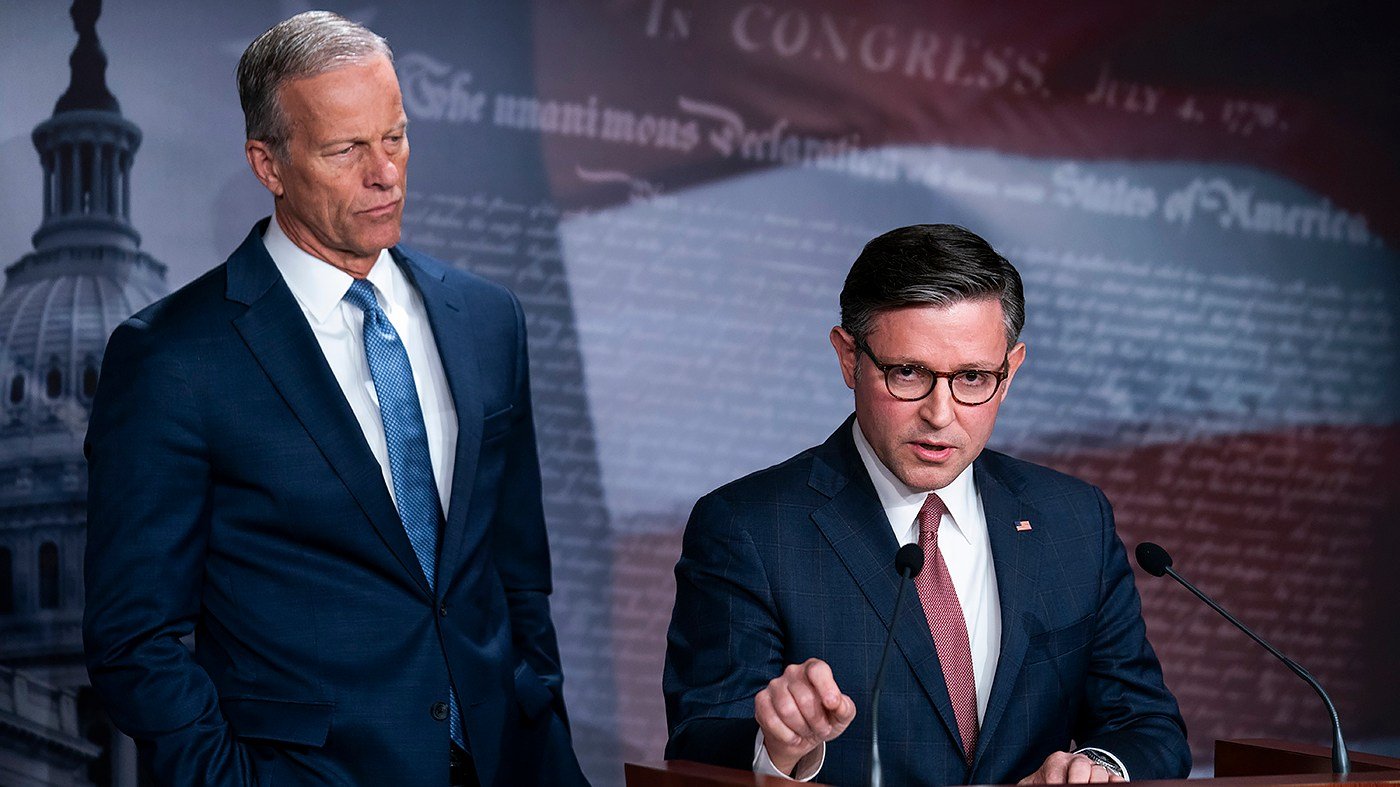
The Pennsylvania Democrat, however, was sharply critical of the underlying shutdown, now in its 77th day. "It's become harder and harder to justify this shutdown," Fetterman said, highlighting the impending influx of travelers for the FIFA World Cup. "You have millions of people from abroad coming and millions of Americans joining these too. And it's like, if you've seen the kinds of chaos at airports, I can't even imagine... we are sitting on our hands." He added that he could "never justify this [shutdown] from the start."
Political Crosscurrents and Operational Realities
Trump celebrated the ICE officers' work on his Truth Social platform, stating they are "helping people with bags, even picking up and cleaning areas. They are so proud to be there!" He framed their deployment as rehabilitating a "fake image" given to them by Democratic critics. Operationally, some ICE officers have begun checking traveler identification documents after receiving standard TSA training, according to Acting Administrator Ha Nguyen McNeill.
Fetterman's position places him in a complex political space. As a Democrat, he supports calls for major ICE reforms, which have intensified following controversial enforcement actions. Yet, he has consistently argued that a government shutdown is the wrong mechanism to achieve those changes. "We want to find a way forward to produce those changes but shutting down the government is the wrong way," he said in a February statement. This stance is consistent with his record of occasionally breaking with party orthodoxy while maintaining core Democratic priorities.
The legislative path forward remains blocked. The Senate approved a measure early Friday to fund most of DHS but exclude ICE and Border Patrol, a move House Republicans quickly rejected. Later, the House passed a stopgap bill that included ICE funding, ensuring Democratic opposition and perpetuating the stalemate. This deadlock reflects broader tensions over immigration enforcement and government spending that have defined the shutdown.
Broader Implications and Mounting Pressure
The airport disruptions are not isolated. Similar severe TSA disruptions have been reported at major hubs, increasing pressure on lawmakers. While the President has ordered TSA employees to be paid despite the funding impasse, the fundamental instability remains. The situation underscores how partisan overhauls and funding battles can directly undermine critical government functions.
Fetterman's comments reveal the practical dilemmas created by the shutdown. Even officials who oppose the administration's immigration policies must contend with the immediate operational reality of keeping airports functioning. His acknowledgment that ICE officers have provided some benefit, however limited, contrasts with the rhetoric of many in his party but aligns with his focus on the tangible impacts of the funding lapse on constituents and the traveling public.
As the World Cup approaches, the prospect of millions of additional travelers moving through a hobbled airport system presents a significant national security and logistical challenge. The continued deployment of ICE agents to perform non-traditional duties highlights the ad-hoc nature of the current response and the deepening consequences of a political standoff with no clear end in sight.