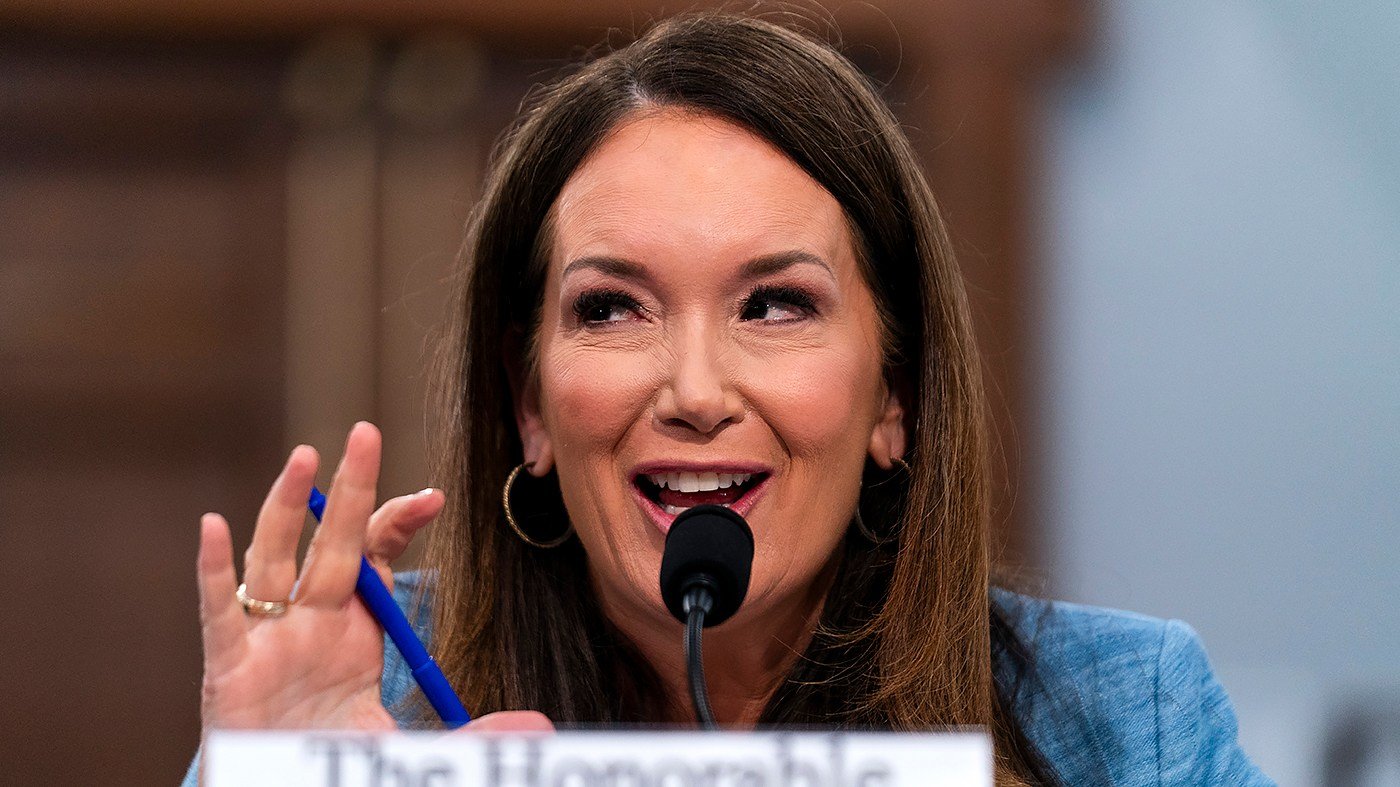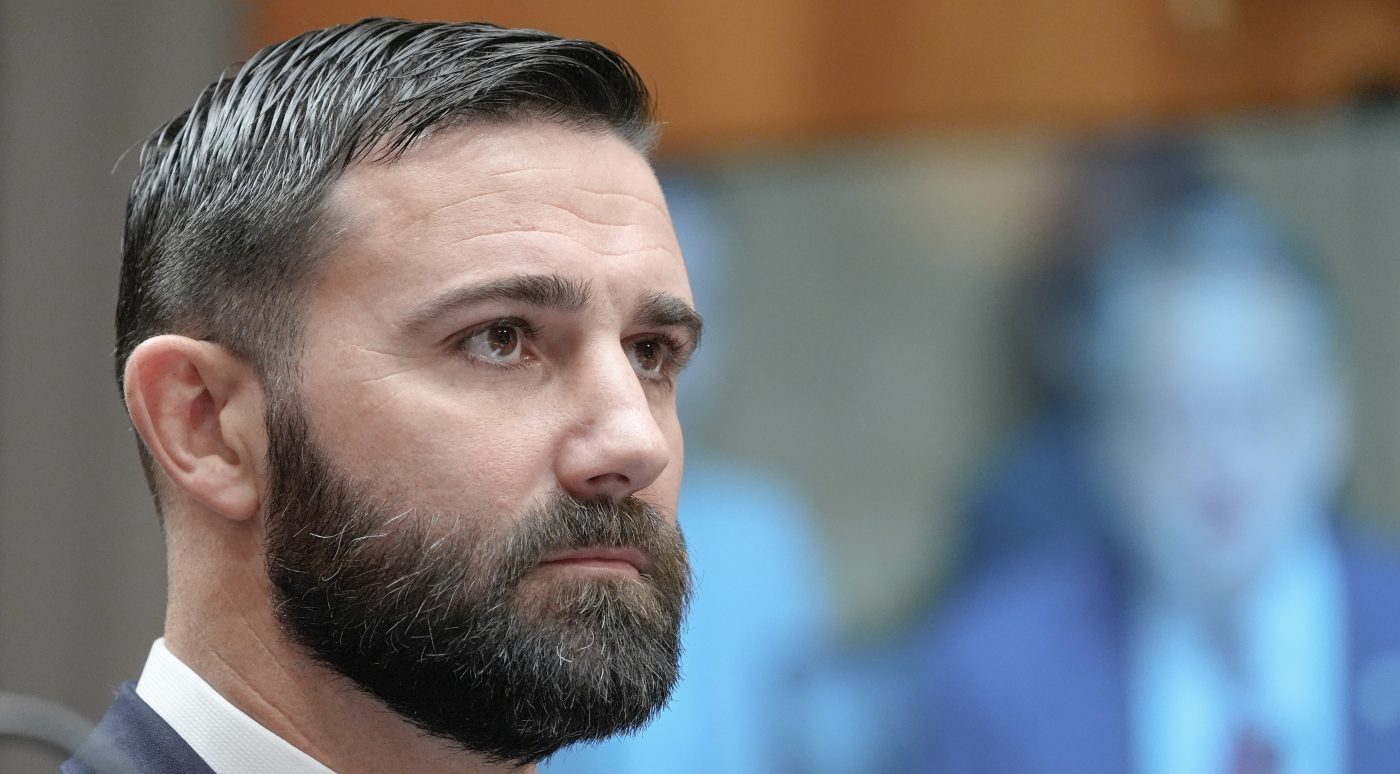
The Federal Emergency Management Agency's top official, Administrator Cameron Hamilton, is set to appear before a House Homeland Security subcommittee on Thursday, as lawmakers scrutinize the agency's readiness to handle natural disasters and other emergencies. The hearing, scheduled for 10 a.m. EST, comes amid broader debate over the federal government's role in disaster response.
Hamilton, who leads FEMA, is expected to face questions about the agency's disaster assistance programs, preparedness grants, and staffing levels. Lawmakers on both sides of the aisle have raised concerns about FEMA's capacity to respond to increasingly frequent and severe weather events, as well as its ability to support state and local partners.
A central point of contention is President Trump's push to shift more emergency management responsibilities to state and local governments. Critics argue that such a move could leave under-resourced jurisdictions overwhelmed, while supporters contend that local officials are better positioned to understand their communities' needs. The hearing will likely highlight these tensions, with Democrats and some Republicans pressing Hamilton on how FEMA would adapt to a reduced federal footprint.
This testimony follows a series of high-profile disasters that have tested FEMA's capabilities, including recent hurricanes and wildfires. The agency has faced criticism for slow response times and bureaucratic hurdles, prompting calls for reform. Hamilton, who was appointed by Trump, has defended the agency's performance but acknowledged areas for improvement.
The subcommittee's review also comes as the administration has signaled a broader review of federal emergency management policies. A recent proposal to reshape emergency powers in Texas has drawn attention to how state-level authority could evolve, potentially setting a precedent for other states. Additionally, the administration has been urged to address the reliability of emergency alert systems, which are critical for public safety.
Staffing remains a key concern, with FEMA facing challenges in recruiting and retaining experienced personnel. The agency has relied heavily on reservists and temporary hires during major disasters, but lawmakers have questioned whether this model is sustainable. Hamilton is expected to outline efforts to bolster the workforce, though funding constraints may limit his options.
The hearing also touches on broader political dynamics, including Trump's efforts to reshape federal agencies. Hamilton's testimony could signal how far the administration is willing to go in reducing FEMA's role, a move that would have significant implications for disaster-prone states. The administration's internal dynamics have been marked by aggressive policy shifts, and FEMA's trajectory is likely to be a flashpoint.
Observers note that the outcome of this hearing could influence future legislation on disaster preparedness. With the 2026 hurricane season already underway, lawmakers are under pressure to ensure that FEMA is equipped to respond. The subcommittee's questions are expected to delve into specific program effectiveness, such as the Individual Assistance program and Public Assistance grants, which have faced criticism for delays and inequities.
As the hearing unfolds, Hamilton's responses will be closely watched by state emergency managers, local officials, and advocacy groups. The stakes are high, with millions of Americans relying on FEMA's support in times of crisis. The subcommittee's findings could shape the agency's priorities for years to come.