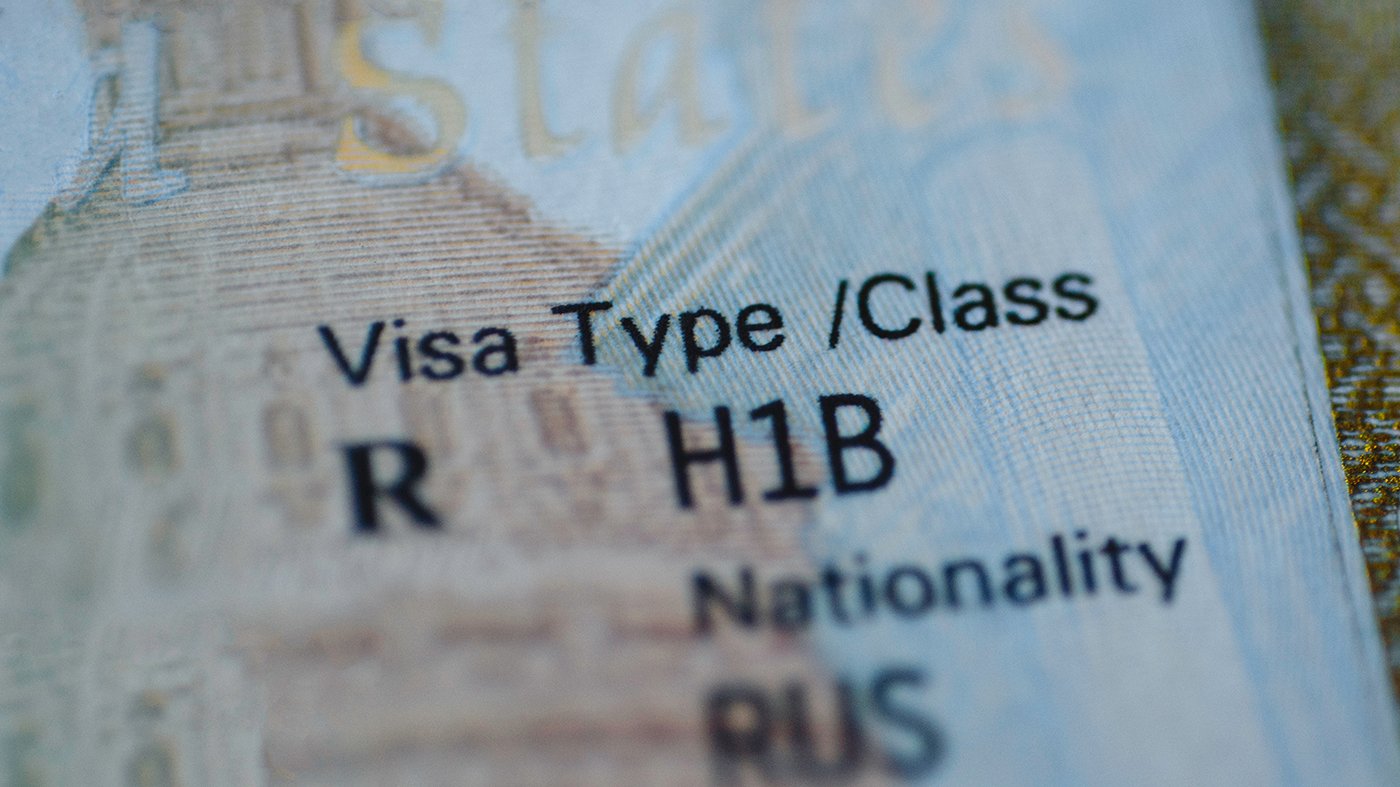
A federal judge on Monday dealt a significant blow to the Trump administration's immigration policy, blocking a $100,000 fee imposed on H-1B visa applications. U.S. District Judge Leo Sorokin sided with a coalition of Democratic-led states, ruling that the fee exceeded executive authority and effectively functioned as an unlawful tax.
In his ruling, Sorokin, an Obama appointee, wrote that the payment's structure and application revealed it to be a tax, regardless of its label. The decision draws on the Supreme Court's 2012 ruling in National Federation of Independent Business v. Sebelius, which upheld the Affordable Care Act's individual mandate as a constitutional exercise of Congress's taxing power. Sorokin noted that just as the penalty in that case was deemed a tax, Trump's visa fee was not a penalty but a revenue-raising measure.
H-1B visas allow U.S. employers to hire foreign workers for specialized roles, particularly in the technology sector. The Trump administration introduced the $100,000 fee via a September 2020 proclamation, arguing it would encourage companies to prioritize American workers. The fee was typically paid by the sponsoring employer, not the visa applicant.
The legal challenge was brought by 20 states, led by California Attorney General Rob Bonta and Massachusetts Attorney General Andrea Campbell, both Democrats. They argued the fee circumvented Congress's constitutional authority to set immigration policy and levy taxes. The Justice Department countered that the courts lacked jurisdiction to review the president's action, but Sorokin rejected that argument.
This ruling marks a split in judicial opinions on the issue. Late last year, a different judge overseeing a challenge from the U.S. Chamber of Commerce and the Association of American Universities upheld the fee, finding Trump acted within his authority. That case is now before an appeals court, which heard arguments in March and could rule at any time.
The Department of Homeland Security, which administers the H-1B program, did not immediately respond to requests for comment. The ruling is likely to reignite debate over executive power in immigration policy, a flashpoint throughout Trump's presidency.
For context, the Trump administration has faced multiple legal setbacks on immigration and other fronts. In a separate case, a judge recently criticized the administration's tactics in a ruling on federal grant funding. Meanwhile, the administration's broader immigration agenda continues to face scrutiny, including its handling of visa programs and border policies.