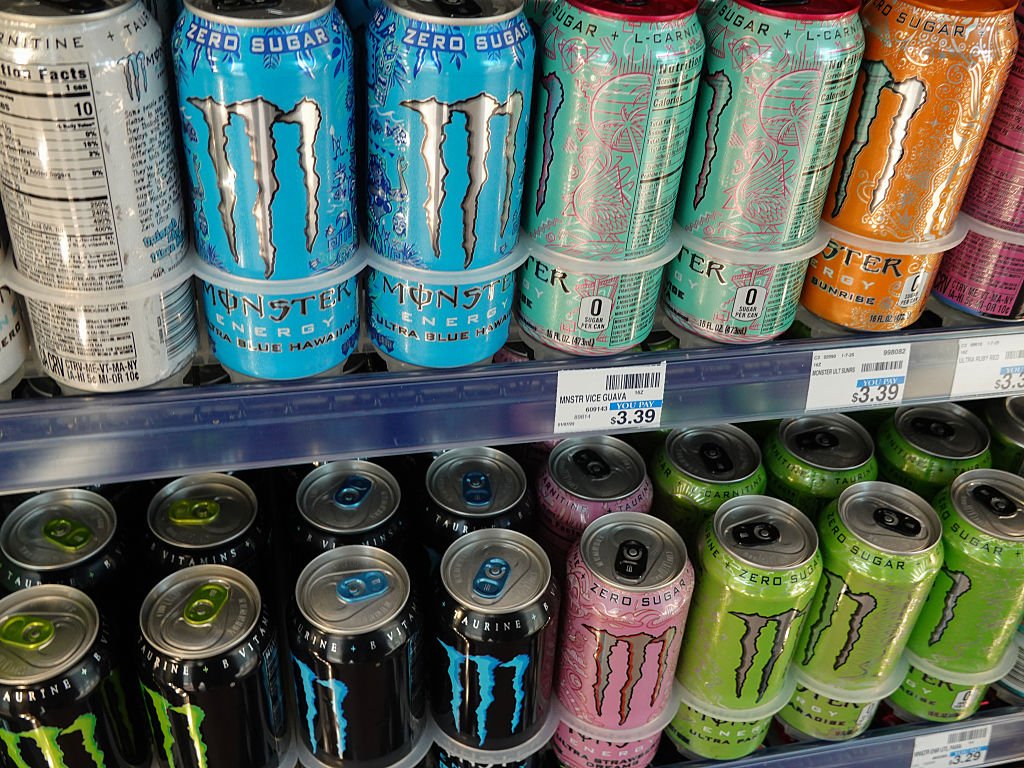
A federal judge has dealt a significant blow to the Trump administration's push to restrict what low-income Americans can buy with food assistance, reversing SNAP junk food bans that had been rolling out across 23 states since the start of the year.
The ruling, issued late last week, effectively halts state-level prohibitions on purchasing soda, energy drinks, candy, and other items deemed unhealthy under the Supplemental Nutrition Assistance Program. The decision marks a sharp reversal of a policy that was part of the administration's broader "Make America Healthy Again" initiative.
Starting January 1, states began implementing new rules on eligible purchases under SNAP, which serves roughly one in nine U.S. households. While each state's restrictions varied, they largely targeted sugary drinks and sweets, aiming to steer recipients toward healthier options.
Scope of the Reversal
The judge's order applies to all 23 states that had received waivers from the U.S. Department of Agriculture to enforce these restrictions by early June. The ruling came after a legal challenge from advocacy groups and several state attorneys general, who argued the USDA overstepped its authority and that the rules would harm low-income families.
"The court finds that the USDA's approval of these waivers was arbitrary and capricious, lacking the necessary statutory basis," the judge wrote in the opinion. The decision effectively restores the status quo, allowing SNAP recipients to use benefits for any eligible food item as defined by federal law.
This is not the first judicial pushback against the administration's SNAP policies. In a related case, a federal judge halted SNAP soda bans in five states earlier this year, citing similar concerns about USDA authority.
Political and Policy Implications
The reversal has reignited debate over the role of federal nutrition assistance and states' rights to tailor programs. Supporters of the bans, including conservative think tanks and some health advocates, argue that taxpayer-funded benefits should not subsidize unhealthy food choices. Critics counter that the restrictions are paternalistic and could stigmatize SNAP recipients while doing little to improve public health.
The ruling also adds to a growing list of judicial setbacks for Trump-era policies. For instance, a federal judge permanently blocked a Trump executive order requiring citizenship proof for voting, and another judge blocked DOJ subpoenas for transgender youth medical records in New York.
The USDA has not yet announced whether it will appeal the ruling. Meanwhile, states that had already implemented restrictions now face the logistical challenge of reversing course, including updating electronic benefit transfer systems and notifying retailers.
For SNAP recipients, the immediate effect is clear: they can once again use benefits to purchase soda and candy in the affected states. However, the long-term future of such restrictions remains uncertain, with potential appeals or new legislation on the horizon.