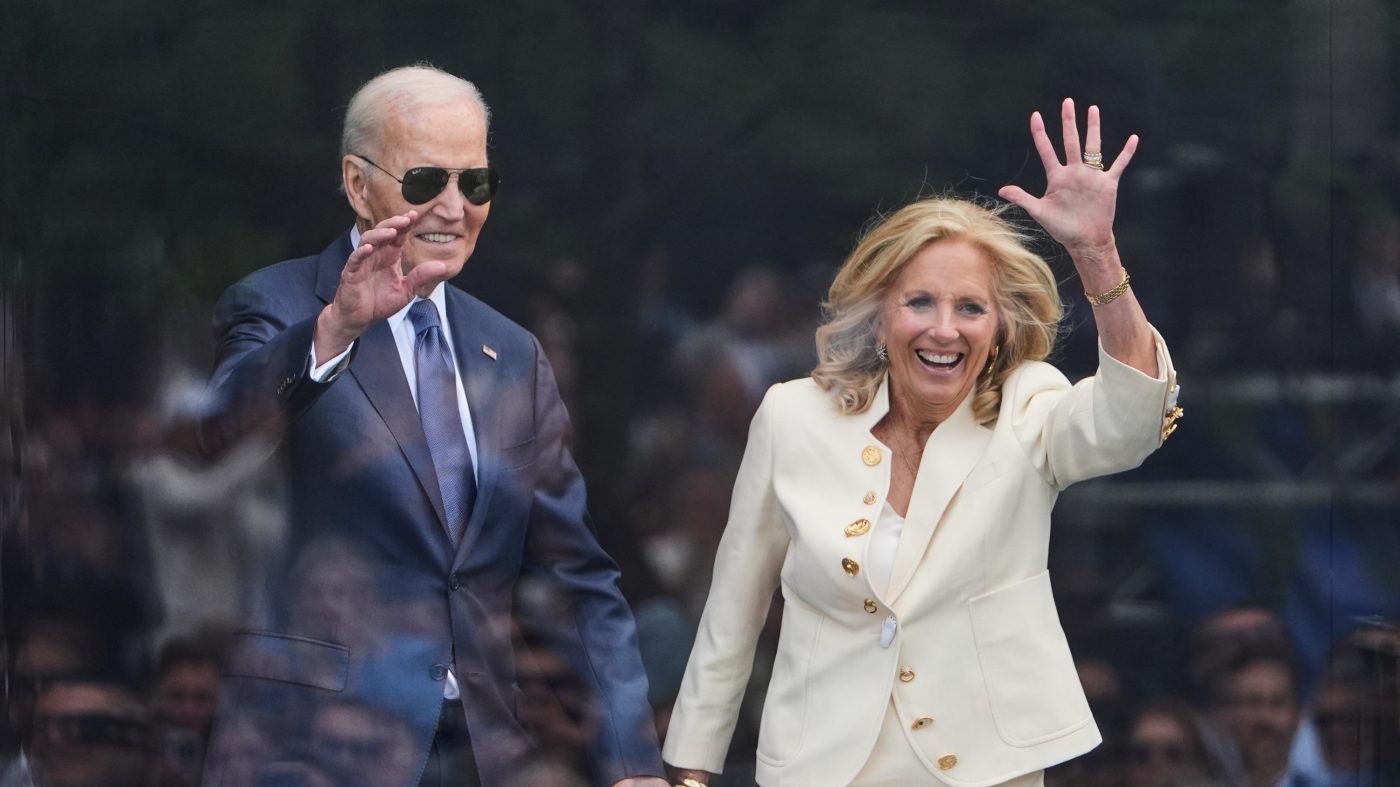
A federal judge ruled Friday that the Justice Department can hand over audio recordings and transcripts of former President Joe Biden to the Heritage Foundation, a conservative think tank, but imposed a three-week delay to allow an appeals court to review Biden's challenge.
Judge Dabney Langhorne Friedrich denied Biden's bid to block the release of his 2016 and 2017 conversations with ghostwriter Mark Zwonitzer, determining that the "significant public interest" in disclosure outweighed the former president's "substantial" privacy claims. Friedrich, a Trump appointee, noted that the DOJ's "extensive redactions" had removed any sensitive information about Biden's family or private individuals.
"While public figures maintain certain privacy rights, the Department did not abuse its discretion in finding that nothing in the remaining Zwonitzer materials is sensitive enough to outweigh the public's unusually strong interest," Friedrich wrote in a 26-page order.
Biden's legal team quickly filed a motion to pause the order while the D.C. Court of Appeals considers the case. Friedrich partially granted the request, ordering the DOJ to hold off for 21 days. The legal fight stems from interviews Biden gave Zwonitzer for his memoir, which became central to former special counsel Robert Hur's investigation into Biden's handling of classified documents after his vice presidency.
The Justice Department, under then-Attorney General Merrick Garland, had previously released transcripts of the recordings but withheld the audio files, citing executive privilege. The Heritage Foundation sued in 2024 under the Freedom of Information Act, arguing the public deserved access to materials that shed light on "issues surrounding President Biden's mental faculties and memory."
Hur's investigation ended without charges, concluding that while Biden "willfully" retained classified documents, a jury would likely view him as "a sympathetic, well-meaning, elderly man with a poor memory." President Trump's Justice Department later reversed course on releasing the audio, notifying Biden in February of its intent to comply with the FOIA request.
Biden filed a separate lawsuit in late May in the D.C. Circuit Court to block the Heritage Foundation and the House Judiciary Committee from obtaining the records. DOJ attorneys told the judge Friday they would not agree to defer release to the committee pending appeal, "given the uncertainty about how long such proceedings may last," but would respect the 21-day pause.
This ruling comes amid broader debates over transparency and executive privilege, echoing controversies like the Missouri judge's decision on medication abortion and the narrowing of challenges to Trump's mail-in voting restrictions.