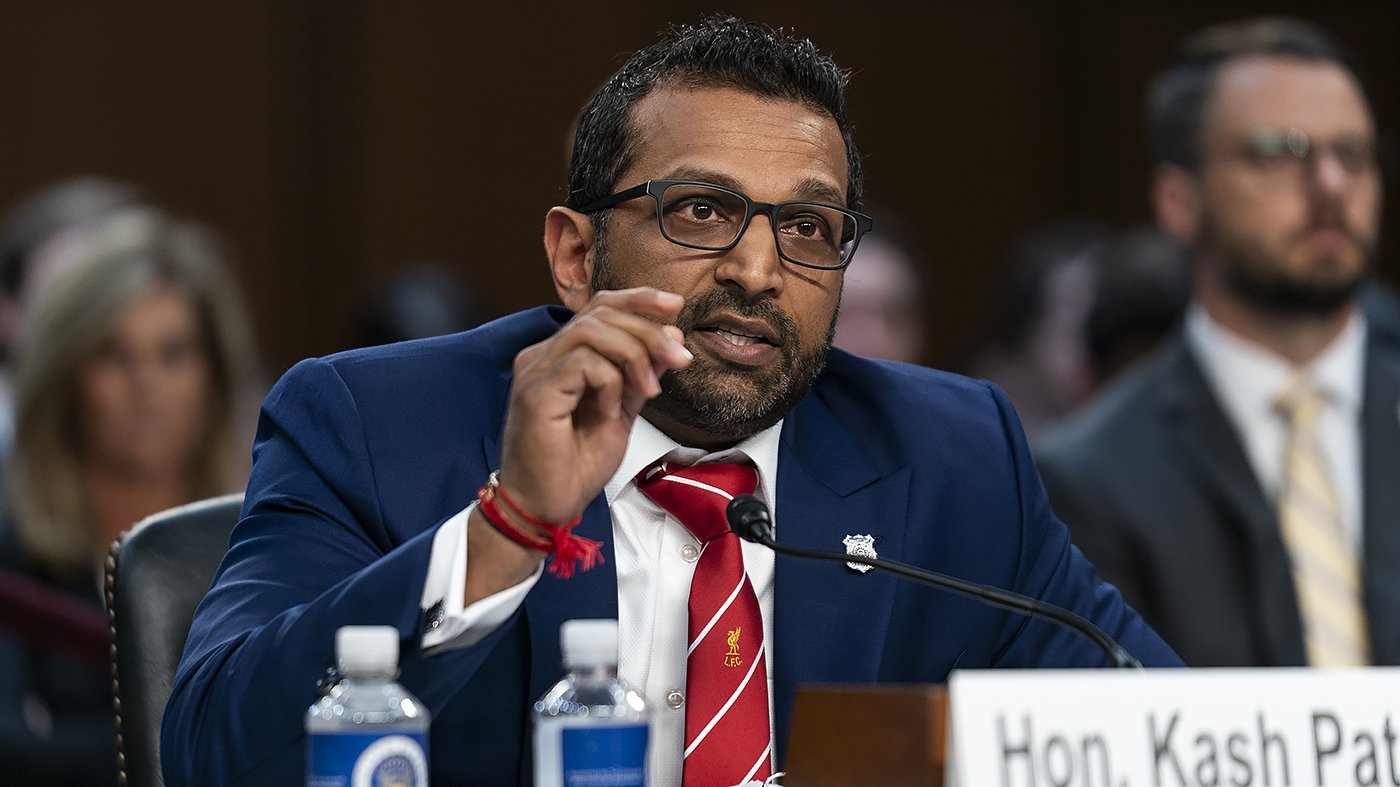
FBI Director Kash Patel has initiated a defamation lawsuit against The Atlantic magazine, escalating a conflict over a recent investigative report that portrayed his leadership as troubled and raised questions about his personal conduct. The legal action, filed Monday, directly challenges the magazine's characterization of Patel as an inaccessible director who consumed alcohol to excess, creating what the article described as a national security concern.
Allegations and Legal Claims
The lawsuit centers on a story published Friday titled "The FBI Director Is MIA," which cited conversations with more than two dozen individuals. These sources reportedly included current and former FBI officials, congressional members, and hospitality workers. The article alleged Patel was fearful of losing his position and that on multiple occasions, his security detail had difficulty rousing him after nights of heavy drinking. It further claimed he had appeared "obviously intoxicated" in front of White House officials and other Trump administration staff.
Patel's legal filing argues the story constitutes a "deliberate and malicious smear." It asserts the sources were "not in a position to know the facts" and were "animated by hostility," specifically pointing to reliance on "former advisers" and "political operatives." The suit criticizes the magazine's editorial process, stating it refused a reasonable request for more time to respond to allegations, ignored a pre-publication letter from Patel's counsel identifying purported falsehoods, and never interviewed Patel himself for the story.
Escalation from Threat to Action
This lawsuit follows through on a threat Patel made publicly on the social media platform X last Friday. "See you and your entire entourage of false reporting in court," he wrote, adding, "actual malice standard is now what some would call a legal lay up." The legal complaint itself adopts a combative tone, at points reading like a press release by touting Patel's record, including crime statistics and fugitive captures during his tenure.
In response, The Atlantic issued a firm statement defending its work. "We stand by our reporting on Kash Patel, and we will vigorously defend The Atlantic and our journalists against this meritless lawsuit," a spokesperson said Monday. The magazine's original report, by journalist Sarah Fitzpatrick, described Patel's tenure as a "management failure" and his behavior as a "national-security vulnerability," based on anonymous sources discussing sensitive information.
Broader Context of Accountability
The case lands amid ongoing debates about accountability and conduct within the nation's top law enforcement and national security positions. It echoes other controversies where personal behavior of high-ranking officials has come under intense scrutiny, potentially impacting institutional stability. The lawsuit also highlights the tense relationship between some Trump administration appointees and major media outlets, a dynamic seen in other conflicts such as when FHFA Director Pulte pursued legal action against New York's attorney general.
Furthermore, the allegations concerning alcohol use intersect with wider public health and policy discussions. While this case focuses on defamation, the substance of the claims touches on issues of workplace safety and executive function, topics that have drawn increased attention as alcohol remains a leading substance-related killer and research funding faces political pressure.
The outcome of this legal battle could set a significant precedent for how media outlets report on the personal conduct of sitting intelligence and law enforcement leaders. It also tests the legal standard for defamation involving public figures, requiring Patel to prove The Atlantic acted with "actual malice"—knowledge of falsity or reckless disregard for the truth. This case follows a pattern of similar threats, including a previous instance where Patel threatened a defamation lawsuit against The Atlantic over conduct allegations.
As the suit proceeds, it will likely fuel political divisions, with supporters of Patel viewing it as a necessary defense against biased reporting, and critics seeing it as an attempt to intimidate the press. The controversy unfolds against a backdrop of other high-profile personnel challenges within the federal government, reminiscent of the instability caused by partisan overhauls of the civil service that have driven out talent.