The Senate Agriculture Committee on Thursday failed to advance the latest farm bill, a sprawling package covering agricultural policy and food assistance, after a party-line vote fell short amid Republican absences and unified Democratic opposition to proposed changes in nutrition programs.
The vote was 10-11, with all Democrats voting against the measure. Proxy votes from GOP Sens. Tommy Tuberville (Ala.) and Mitch McConnell (Ky.), who were both absent, were not counted in the tally, leaving Republicans one vote short of advancing the bill.
McConnell has been recovering from a serious fall in June and was discharged from a rehabilitation facility on Thursday. His office said he would continue physical therapy at home during the Senate recess. The reason for Tuberville's absence was not immediately clear, and his office did not respond to a request for comment.
The farm bill, typically renewed every five years, has not been passed since 2018. The House approved its version in April, but the Senate has struggled to find consensus, particularly over provisions related to the Supplemental Nutrition Assistance Program (SNAP), the nation's primary food aid program.
Sen. John Boozman (R-Ark.), the committee chairman, said he would reconvene the panel when the Senate returns in September to try again. In a statement posted on social media, he expressed deep disappointment with Democratic opposition and framed the dispute as a matter of fiscal responsibility.
“This debate was about the FARM BILL, not protecting the mismanagement of billions of dollars in food aid,” Boozman said. “I remain committed to working with those who put our farmers and rural communities first on advancing solutions that strengthen agriculture.”
At the heart of the standoff is a provision that would require states to share a portion of SNAP funding, a move Democrats argue would unfairly penalize states with higher error rates in administering the program. They have demanded a two-year delay in implementing the cost-sharing requirement to give states more time to reduce errors. Boozman has offered a one-year delay, but Democrats say that is insufficient.
Sen. Amy Klobuchar (D-Minn.), the committee's ranking member, said she remains committed to working with Boozman but insisted the two-year delay is necessary for fairness. “A state with an error rate twice that of Minnesota will pay nothing in the second year, whereas states that have reduced their error rates will still be disadvantaged over high error rate states,” she said in a social media post. “Our members are simply asking for the two-year delay so all states will be on the same footing in working to reduce their error rates. That is ten percent of the total SNAP cuts.”
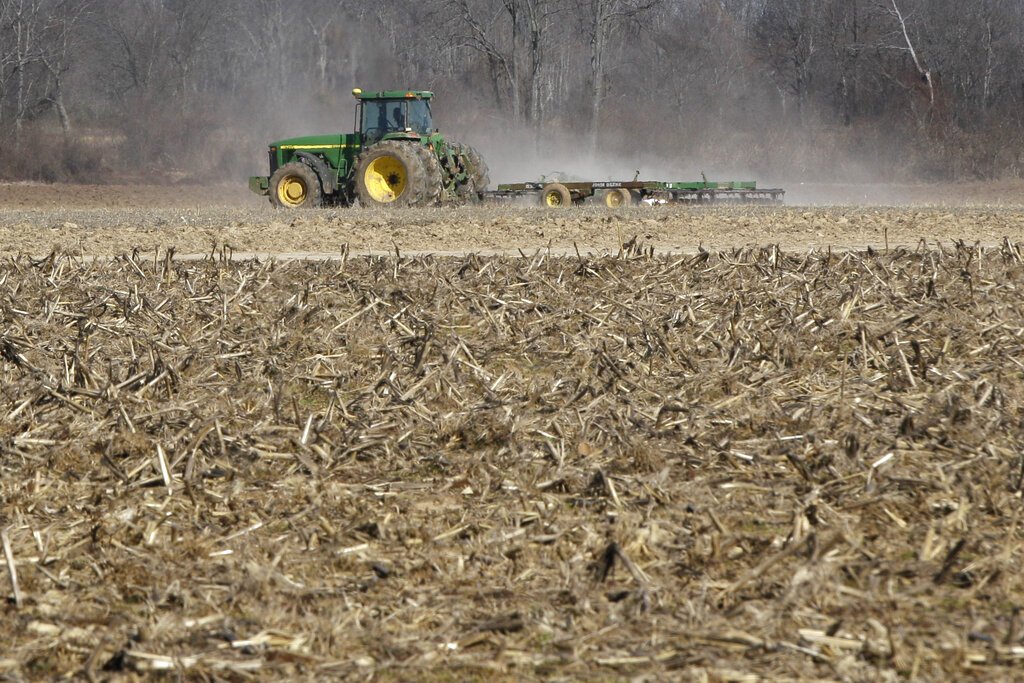
The failed vote underscores the challenges facing farm bill reauthorization, which also touches on crop insurance, conservation, and rural development. The impasse could delay the bill further, with potential implications for farmers and food aid recipients. The committee's next attempt will come after the August recess, but the path to passage remains uncertain given the partisan divide.