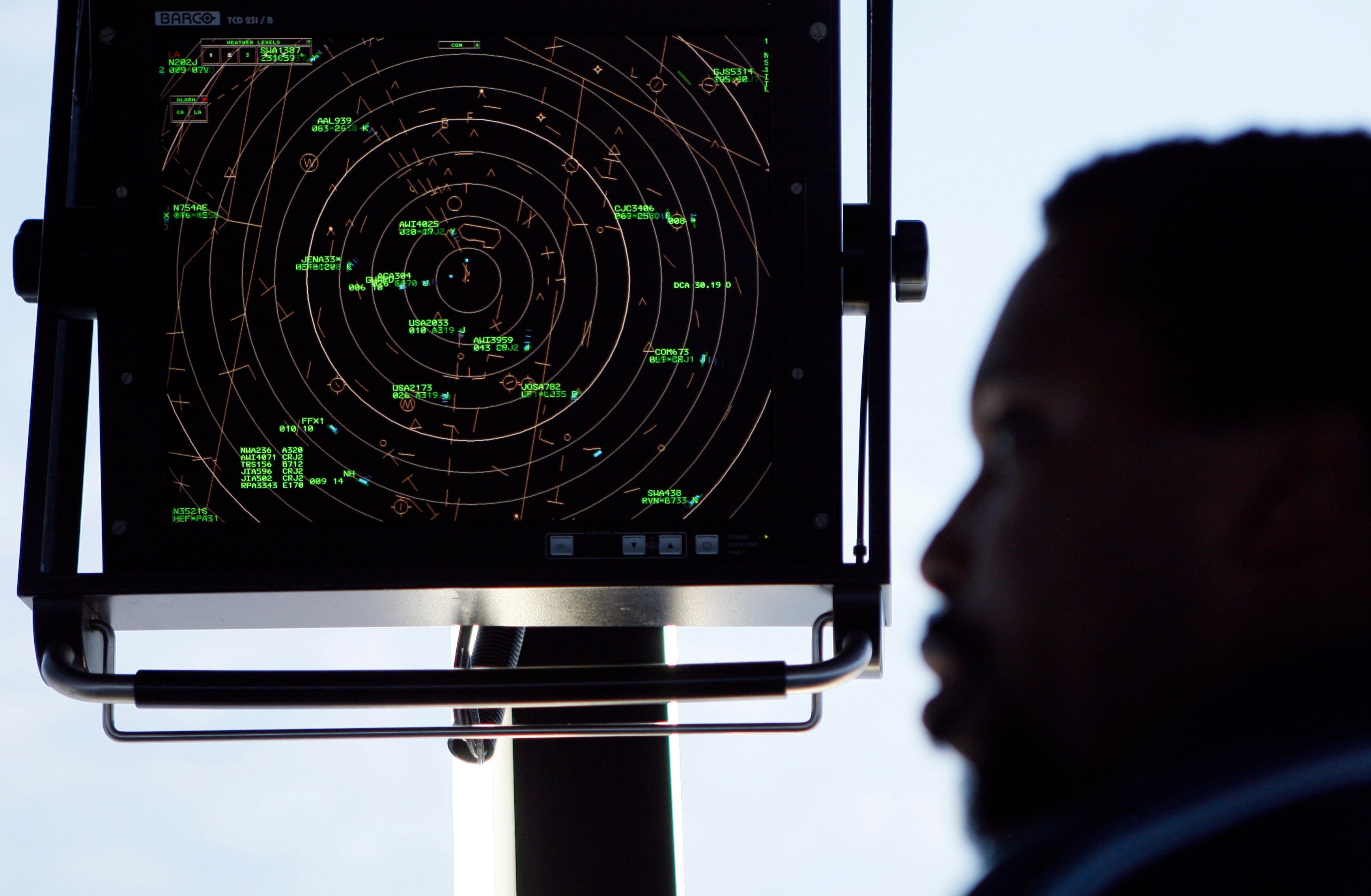
The Federal Aviation Administration's latest recruitment tactic—tapping the video gaming community for air traffic controller candidates—has generated more than 2,000 new applicants. While this novel approach may bring fresh talent into the pipeline, experts argue it does little to tackle the systemic issues behind the agency's long-standing staffing crisis.
Gamers often possess skills like sharp concentration, pattern recognition, and the ability to multitask—traits that align closely with the demands of managing multiple flights in real time. The FAA's decision to court this demographic is understandable, given the high-stakes nature of the job, where thousands of lives depend on split-second decisions. Yet, the attrition rate from application to certification remains a major bottleneck. Only about 10% of applicants meet the stringent age, security, and medical requirements, and the FAA cannot afford to lower these standards without compromising safety.

Adding more recruits to the pipeline, therefore, is not a cure-all. The structural flaws that have led to persistent shortages remain unaddressed. One alternative worth examining is the Canadian model, where NAV Canada, a private nonprofit, has managed air traffic control since 1996. The government retains regulatory oversight, but operational control, including recruitment and employment, rests with the private sector. Notably, NAV Canada still reports a shortage of about 10% of its required controllers, proving that privatization is not a silver bullet. Still, with the U.S. already exploring privatization in airport security through the TSA Gold+ program, a similar shift for air traffic control deserves serious consideration.
Privatization could also shield controllers from the financial uncertainty of government shutdowns, as seen in late 2025 when pay lapses disrupted the workforce. The government would continue to enforce safety standards and training protocols, ensuring accountability while streamlining hiring and retention.
Beyond structural reforms, integrating artificial intelligence into air traffic control could alleviate some of the pressure on human controllers. AI is already proving its worth in supporting complex human tasks across industries. For air traffic control, AI could handle routine ground movements and basic flight management at cruising altitudes, freeing humans to focus on the most critical phases—takeoff and landing—where judgment is paramount. The goal is not to replace controllers but to reduce their workload, a long-term strategy that would require extensive research and testing before implementation.
However, AI integration is not a quick fix. It will take years of development and validation to ensure safety and reliability. In the meantime, the FAA must broaden its candidate pool, offer competitive compensation to retain experienced controllers, and guarantee uninterrupted pay during government shutdowns. These measures, combined with technological innovation, are essential to closing the staffing gap.
Recruiting video gamers is a sound-bite-friendly move, but it cannot be the entire solution. Without addressing the underlying recruitment and retention challenges, air traffic control shortages will continue to plague Washington's agenda. As defense readiness faces similar pressures, the need for reliable infrastructure is clear. The FAA must adopt a comprehensive strategy—one that includes privatization, AI, and better working conditions—to maintain the safest and most efficient airspace in the world.
As Sheldon H. Jacobson, a computer science professor at the University of Illinois Urbana-Champaign, notes, data-driven, risk-based decision-making is crucial for evaluating public policy. His expertise underscores the importance of evidence-based approaches to solving the FAA's chronic staffing issues. The time for piecemeal solutions is over; structural change is imperative.