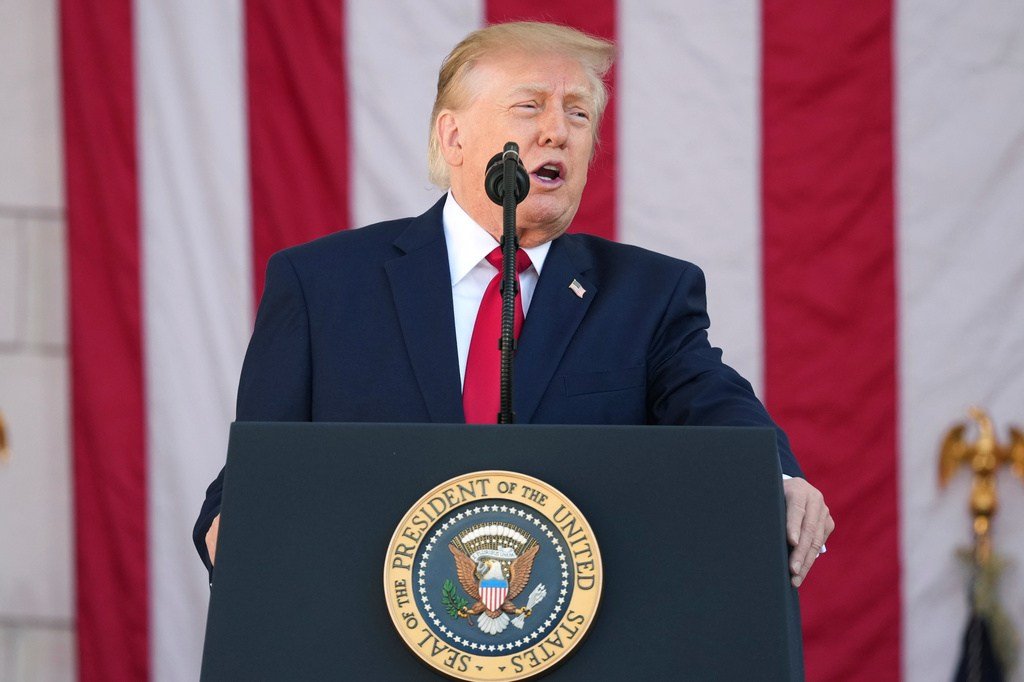
A nationwide ground stop issued by the Federal Aviation Administration on Friday afternoon threw college football schedules into disarray, forcing multiple games to be delayed or postponed as teams scrambled to adjust travel plans. The halt, which began around 4 p.m. EST and lasted several hours, affected numerous programs, including Ole Miss, Kansas State, Utah, Arizona State, and Minnesota.
Game delays and postponements
In the Big 12 Conference, the Arizona State-UCF and Kansas-West Virginia games were each pushed back two hours, from 3:30 p.m. to 5:30 p.m. EST on Saturday, according to USA Today. The Utah-Arizona matchup was moved to a 10:30 p.m. EST kickoff, with the Utah team flying to Tucson on Saturday morning.

The Big Ten's Michigan State-Washington game was also slightly delayed, moving from 4:15 p.m. to 5:30 p.m. EST.
In the Southeastern Conference, Auburn-Mississippi State was shifted four hours, from noon to 4:15 p.m. EST. The most significant disruption came for Ole Miss and Oklahoma, whose game was postponed until Sunday at 1 p.m. EST, as announced by the conference on social media platform X.
Ole Miss was unable to depart on Friday due to the ground stop, and a late-night flight could not be arranged, according to the conference's statement. The team's departure was rescheduled for Saturday afternoon, making the original 4:15 p.m. kickoff impossible.
Official response and cause
The FAA lifted the ground stop at around 8:15 p.m. EST, with Transportation Secretary Sean Duffy confirming the move during a White House press briefing Friday night. He cautioned that the return to normal flight operations would be “slow.”
“It’s going to take us some time to unwind what’s happened this afternoon,” Duffy said.
Duffy attributed the disruption to an overload of data on routers. Homeland Security Secretary Markwayne Mullin added that the “public was never in danger in this process.”
The incident has raised fresh questions about the resilience of the nation's air traffic infrastructure, with some lawmakers demanding answers. The call for transparency is growing, and the push for modernizing the system is likely to intensify. For affected teams, the scheduling chaos is a reminder of how dependent sports are on reliable air travel.