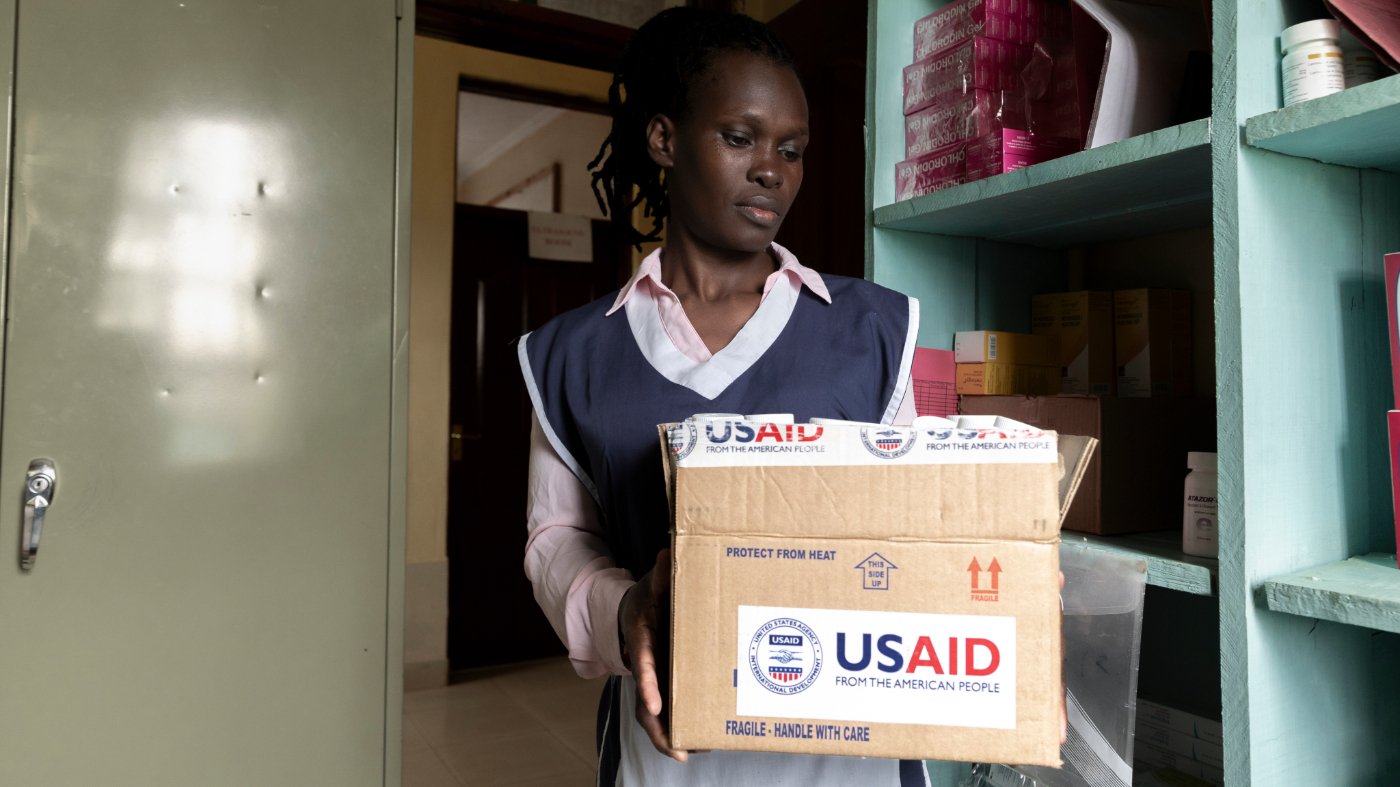
The Trump administration is spending thousands of dollars each month to warehouse expired contraceptives originally destined for low-income African countries, according to a new report from the U.S. Agency for International Development's inspector general. The report, released Thursday, details how roughly $9.7 million in taxpayer-funded family planning supplies purchased by USAID became stranded in Belgium after the administration dismantled the agency last year.
About $8 million worth of hormonal contraceptives, injectable birth control, and other supplies are now unusable after being removed from climate-controlled storage. Despite their expiration, the administration continues to pay approximately $5,000 per month to store these spoiled products. An additional $1.7 million in viable contraceptives remains in cold storage in Geel, Belgium, but their expiration dates—spanning from April 2028 to September 2031—are approaching without any clear plan from USAID for their use.

Between January 2025 and March 2026, USAID has shelled out more than $360,000 in storage and freight costs for the entire stockpile. The inspector general's advisory, sent to USAID's chief operating officer Eric Ueland, warns that these costs will escalate and that without a final plan, the remaining usable commodities will also be wasted.
Political Fallout Over Mismanagement
Senator Jeanne Shaheen (D-N.H.), who requested the review alongside Senator Lisa Murkowski (R-Alaska), slammed the administration's handling of the situation. “The Inspector General’s findings confirm that the Administration’s actions have already resulted in the waste of millions of dollars in taxpayer-funded commodities while forcing taxpayers to continue footing the bill for storage costs,” Shaheen said in a statement. Murkowski added, “Months of indecision and mismanagement have turned a preventable problem into a costly and wasteful one.”
The controversy stems from the Trump administration's decision last year to dismantle USAID and halt global family planning programs, which it deemed not lifesaving. This left the previously purchased contraceptives in limbo. Last summer, the administration labeled the products “abortifacients” and planned to incinerate the entire supply, even though none of the items included abortion methods. As part of that plan, 20 truckloads of the supplies were removed from temperature-controlled storage, but USAID reversed course the same day amid public outrage. The report notes that “as a result, $8 million in commodities destined for destruction and now largely unviable were returned to storage.”
Missed Opportunities for Donation
Contractor Chemonics has submitted multiple options for donating or selling the still-viable contraceptives, but USAID leadership has not provided any instructions. Nonprofit groups, including Doctors Without Borders and MSI Reproductive Choices, repeatedly offered to take control of the usable supplies for packaging and distribution, but were rejected. Beth Schlachter, senior director of external relations and advocacy at MSI Reproductive Choices, said, “It is indefensible that at a time of acute global need, millions of dollars’ worth of lifesaving family planning supplies has been left to rot for nearly a whole year, while U.S. taxpayers face an ever-mounting storage bill.” She added that these supplies “could have empowered women to avoid unintended pregnancies, unsafe abortions and needless preventable maternal deaths.”
The inspector general's office reached out to USAID leadership for comment on the report, including questions about plans for the remaining products, but never received a response. USAID also did not respond to requests from The Hill for comment. Some shelf-stable items, like syringes, may still be viable, but the broader stockpile remains in limbo.
This waste comes amid broader tensions over the administration's foreign policy, including the controversial Iran deal that has stirred skepticism and the deepening rift with Israeli leaders. The report underscores how domestic political decisions can have costly international consequences, with taxpayers left to foot the bill for mismanagement.