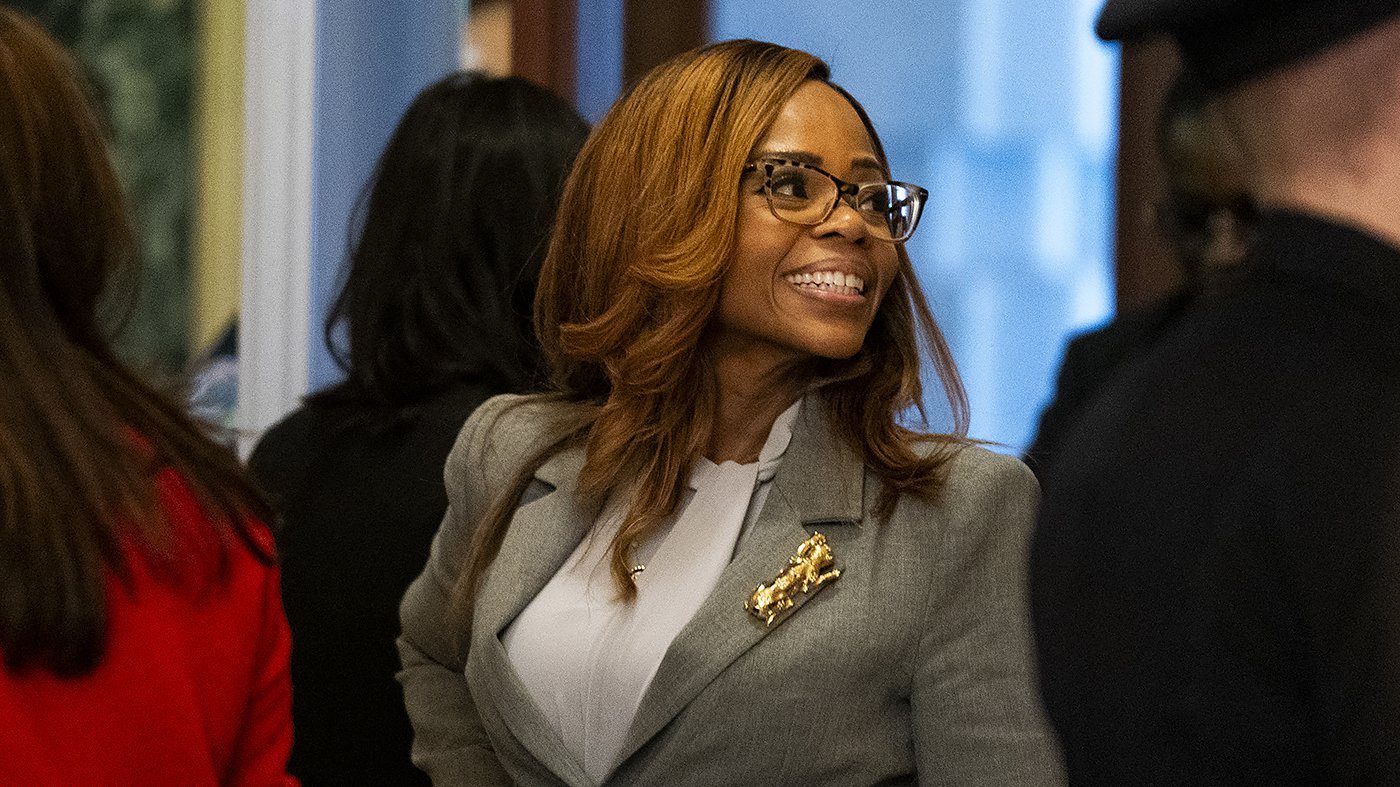
The House Ethics Committee will conduct its first public adjudicatory hearing in 14 years on Thursday, examining serious fraud allegations against Florida Democratic Representative Sheila Cherfilus-McCormick. The proceeding places Democratic leadership in a difficult position as they attempt to maintain a consistent anti-corruption message ahead of November's elections.
A Political Dilemma for Democratic Leadership
Behind Minority Leader Hakeem Jeffries, Democrats have aggressively pursued fraud allegations against former President Donald Trump, framing their opponents as fundamentally corrupt. The case against Cherfilus-McCormick—who faces federal charges of stealing $5 million in Federal Emergency Management Agency disaster relief funds and using portions to finance her 2021 congressional campaign—directly contradicts this narrative. Jeffries has publicly stated the congresswoman deserves "the presumption of innocence," but rank-and-file members express concern about perceived hypocrisy.
"How do you maintain your integrity and objectivity—you're sitting as a judge now—so how do you maintain that credibility if you're going to treat Democrats better than Republicans?" asked Massachusetts Democrat Stephen Lynch. "That's tough to explain." This internal tension comes as recent polling shows Democrats with an advantage in generic congressional ballots, making ethical consistency a potentially critical factor.
Unprecedented Procedure and Parallels to Santos
The Ethics Committee has not held a public hearing on member misconduct since 2010, when it found former Representative Charlie Rangel guilty on 11 counts. The committee typically defers to ongoing federal investigations, making Thursday's hearing exceptionally rare. It follows the precedent-setting expulsion of Republican Representative George Santos last year for campaign finance violations before his criminal conviction. Nearly all House Democrats supported that expulsion.
Some Democrats indicate they are prepared to apply the same standard. "She's in a very similar situation," said Texas Representative Vicente Gonzalez. "And if it turns out to be egregious, and the facts speak for themselves, I don't see why—I wouldn't treat her any differently than I did Santos." Democratic leadership, however, is taking a more cautious approach. House Democratic Caucus Chair Pete Aguilar stated they believe Cherfilus-McCormick "has an opportunity to defend herself" in both the ethics and legal arenas, and the party will assess the situation afterward.
The Allegations and Defense
Federal prosecutors allege Cherfilus-McCormick conspired with three others, including her brother, to divert FEMA funds intended for disaster relief to her family's company. The indictment claims she then used the money for personal enrichment—including purchasing a large yellow diamond ring visible in her official congressional portrait—and to bankroll her first campaign. She pleaded not guilty in February.
The congresswoman has denounced the Ethics Committee for refusing to delay the hearing, arguing it denies her legal team adequate preparation time and raises "serious concerns about due process." In a statement, she maintained her innocence, called the proceeding politically motivated, and said she has "cooperated fully" within the constraints of the ongoing federal case. She urged the committee to "follow its own precedents and uphold fairness and not allow this process to be driven by politics or numbers."
Potential Expulsion and Electoral Consequences
Florida Republican Representative Greg Steube has already filed a resolution to expel Cherfilus-McCormick but is waiting for the Ethics Committee to complete its process before forcing a vote. He expects a recommendation for expulsion when Congress returns from recess in April. The case unfolds in a critical election year where Democratic strategy heavily emphasizes contrasting their governance with Republican scandal. The hearing's public nature, broadcast on C-SPAN, ensures maximum visibility.
The situation presents a direct challenge to Democratic messaging discipline. While leaders like Pete Aguilar manage other complex political fronts, this ethics case strikes at the core of a key campaign theme. How the party navigates the allegations against one of its own could influence voter perception of its commitment to accountability, especially in competitive districts. The outcome may also signal whether the post-Santos standard for expulsion is applied uniformly, setting a new benchmark for congressional conduct.