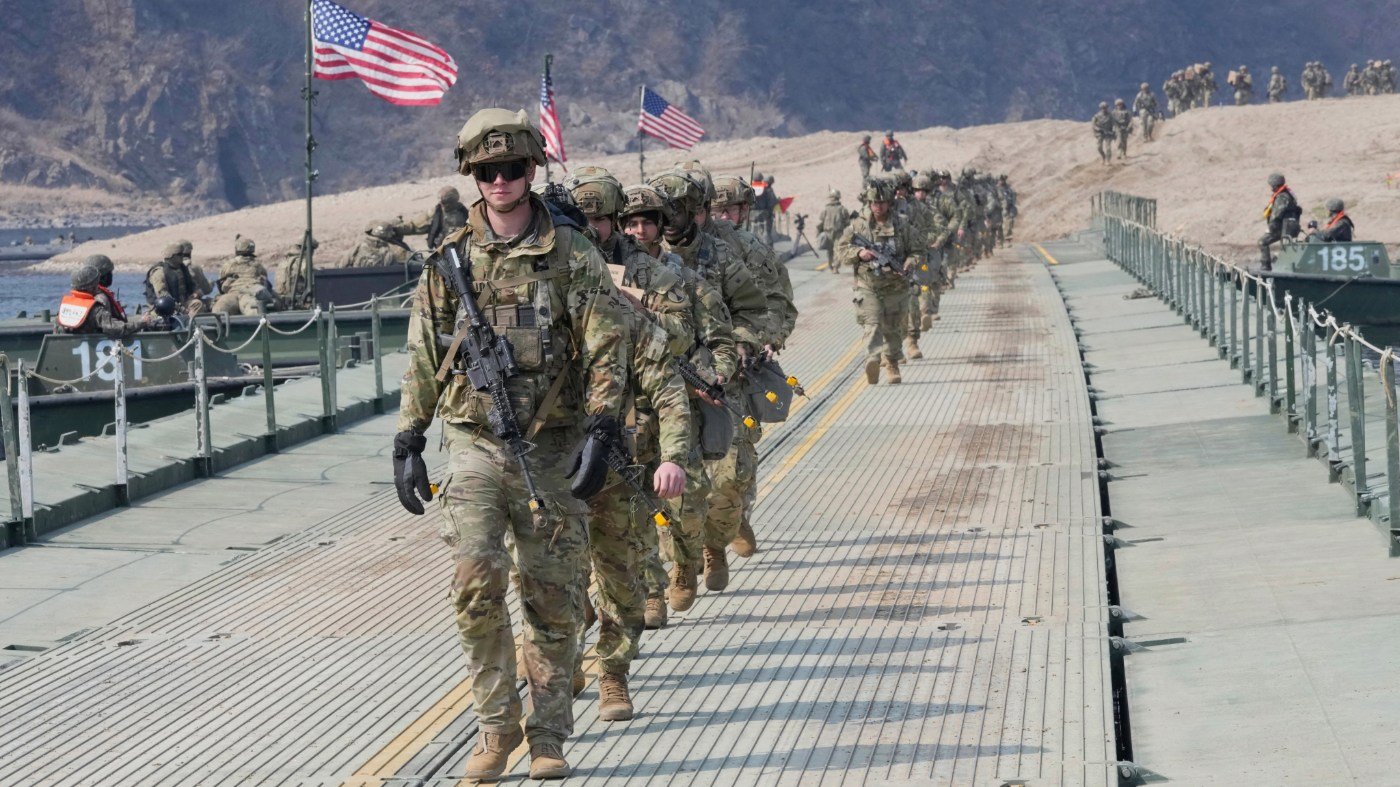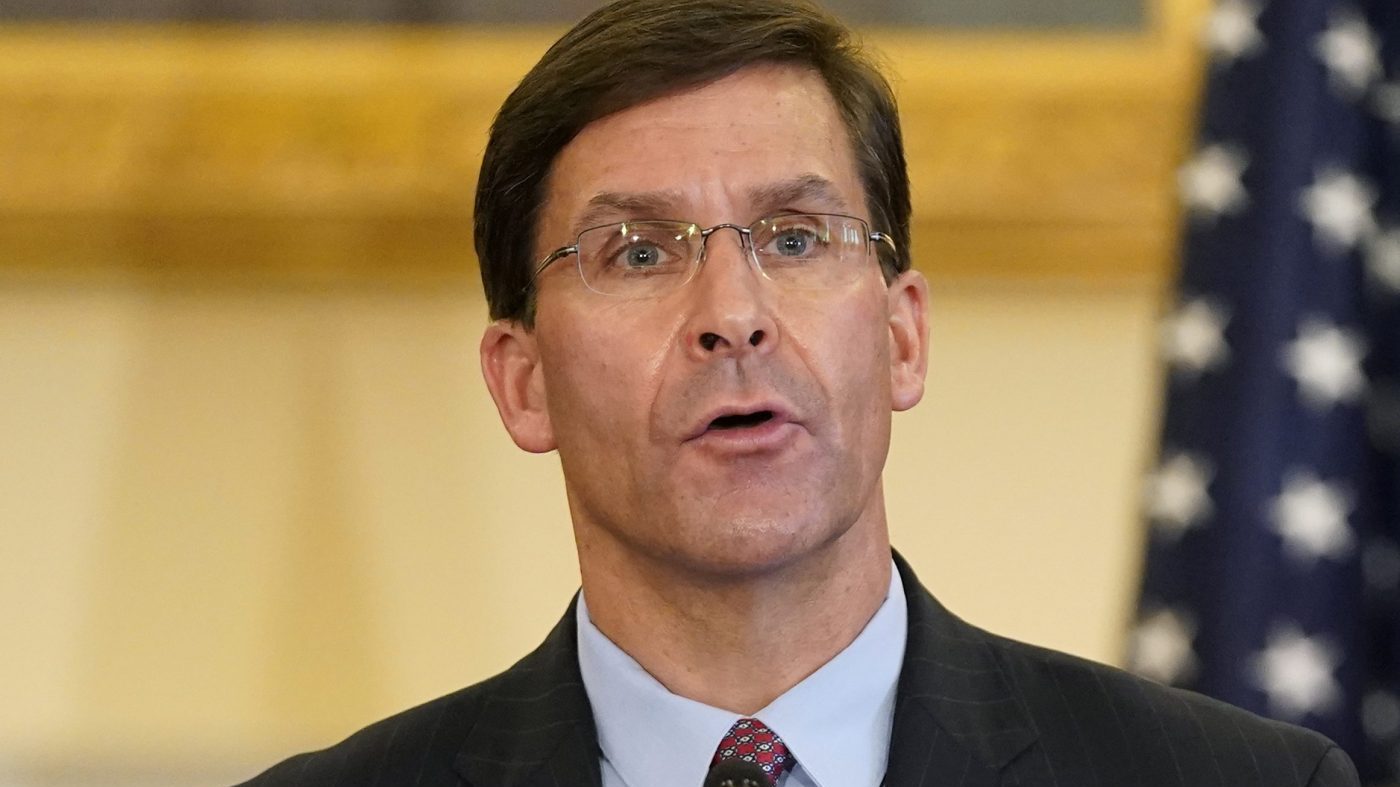
Former Defense Secretary Mark Esper has cautioned that the Trump administration is strategically on its “back foot” in the nearly six-month military confrontation with Iran, even as U.S. strikes have inflicted significant tactical damage on Iranian forces.
In an interview on The Hill’s “Rising” Monday, Esper acknowledged that U.S. military operations have taken a heavy toll on Iran’s air force, navy, militias, and ballistic missile capabilities. “Tactically, we have imposed a lot of pain on them,” he said. “But strategically, we seem to be on our back foot right now.”
His remarks come as President Trump seeks to finalize a deal to end hostilities, with Trump demanding compensation from Iran for damages caused during the war and past conflicts, after learning that Tehran had sought similar reparations. “I see that Representatives of the Islamic Republic of Iran are asking for compensation for the damage done to them during the last five month Military Conflict (started because, THEY WILL NOT HAVE A NUCLEAR WEAPON), even though it was never mentioned in any of our negotiations or meetings!” Trump wrote on Truth Social.
Iran has leveraged its control over the Strait of Hormuz as a bargaining chip, tying the reopening of the critical shipping route to a series of demands. Tehran has indicated it is nearing a deal with Oman on a framework for traffic through the strait, but has warned that reopening the waterway remains contingent on other conditions. This has complicated the administration’s efforts, as Iranian demands and Trump’s counterclaims threaten the Hormuz deal.
Vice President Vance warned on Saturday that the conflict is far from over. “This thing is not over. It’s obviously not at the beginning. We’re in the middle of the game,” he said in a Fox News interview. Esper echoed that sentiment, cautioning against judging the war solely by the damage inflicted on Iran. “It’s too early to say,” he said. “This game is still on.”
Esper argued that a victorious outcome depends on “strategic success,” and that the U.S. should shift focus toward squeezing Iran’s economy rather than relying on brute military force alone. “I don’t think this conflict is won through air power,” he said. “I think economics will have a far greater long-term damage against them than that would.”
He also emphasized the need to multilateralize the effort. “We need to bring in our allies and partners from beyond the region, and then applying pressure effectively,” Esper added. “And that will gain us, I think, more ground than the current strategy.” This approach aligns with some conservative voices urging tougher strikes, but Esper’s prescription is more calibrated.
The former Pentagon chief’s critique adds to growing concerns about the administration’s fracturing Middle East strategy, as Iran demands reparations and regional allies balk at U.S. moves. With the conflict still unfolding, Esper’s warning underscores the high stakes for the Trump team as it seeks a deal that can be sold as a victory.