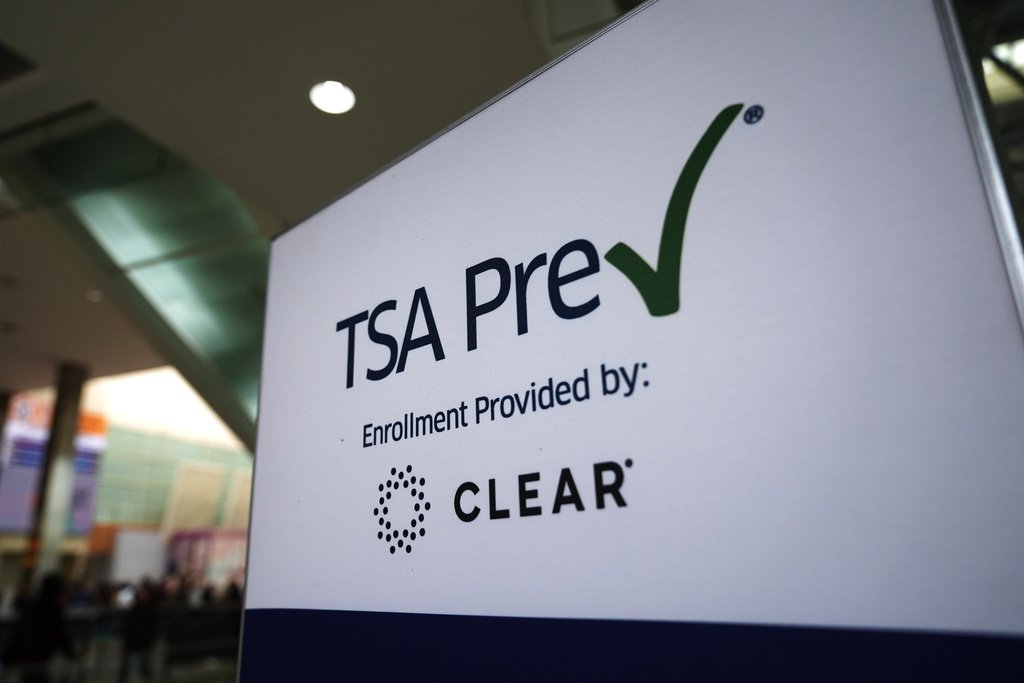
Thousands of disabled veterans across the United States are now eligible for free TSA PreCheck enrollment under a new law aimed at easing their travel experience. The Veterans Expedited TSA Screening (VETS) Safe Travel Act, signed by President Biden in January 2025, is designed to provide faster airport security screening at no cost to those who have served and sustained serious injuries.
The Transportation Security Administration (TSA) and the Department of Veterans Affairs (VA) have outlined specific criteria to determine who qualifies. The program is not open to all veterans—only those with what the law defines as “severe service-connected disabilities” are eligible. This includes conditions that result in permanent blindness, loss of a limb, loss of use of a limb, full paralysis, or partial paralysis. Additionally, veterans must require the use of a VA-issued wheelchair or prosthetic limb to qualify.
Applicants must also be enrolled in VA health care. Standard TSA PreCheck eligibility requirements still apply, including citizenship and security checks, as well as a background investigation. The VA has emphasized that these baseline conditions remain in effect.
The VETS Safe Travel Act was crafted to address the unique challenges disabled veterans face when navigating airport security. TSA officials have stated that the program offers “smarter, faster airport security in dedicated lanes” for those who qualify, reducing wait times and physical strain.
For eligible veterans, the benefit covers the full cost of TSA PreCheck membership, which typically runs $78 for a five-year period. This marks a significant savings for veterans who already contend with medical expenses and travel costs related to treatment or family visits.
In related developments, lawmakers continue to push for expanded benefits for veterans. Congress has been urged to pass a veterans care bill before the midterm window closes, highlighting ongoing bipartisan efforts to improve support for those who served. Meanwhile, Honduras veterans are seeking long-overdue recognition from Congress, underscoring the broader struggle for equitable treatment across veteran communities.
For disabled veterans interested in applying, the process involves verifying their disability status through the VA and completing the standard TSA PreCheck application. The TSA has set up dedicated resources to assist veterans through the enrollment process, ensuring that those who meet the criteria can take advantage of the benefit without unnecessary bureaucratic hurdles.
This initiative is part of a larger effort to streamline travel for individuals with disabilities. Recent studies have also shown that COVID-19 vaccination is tied to a 40% lower risk of heart attack and stroke among veterans, further emphasizing the importance of healthcare access for this population.
As the program rolls out, advocacy groups are monitoring its implementation to ensure that eligible veterans are not left behind. The TSA and VA have committed to publicizing the benefit widely, but veterans are encouraged to confirm their eligibility and apply as soon as possible to avoid delays.