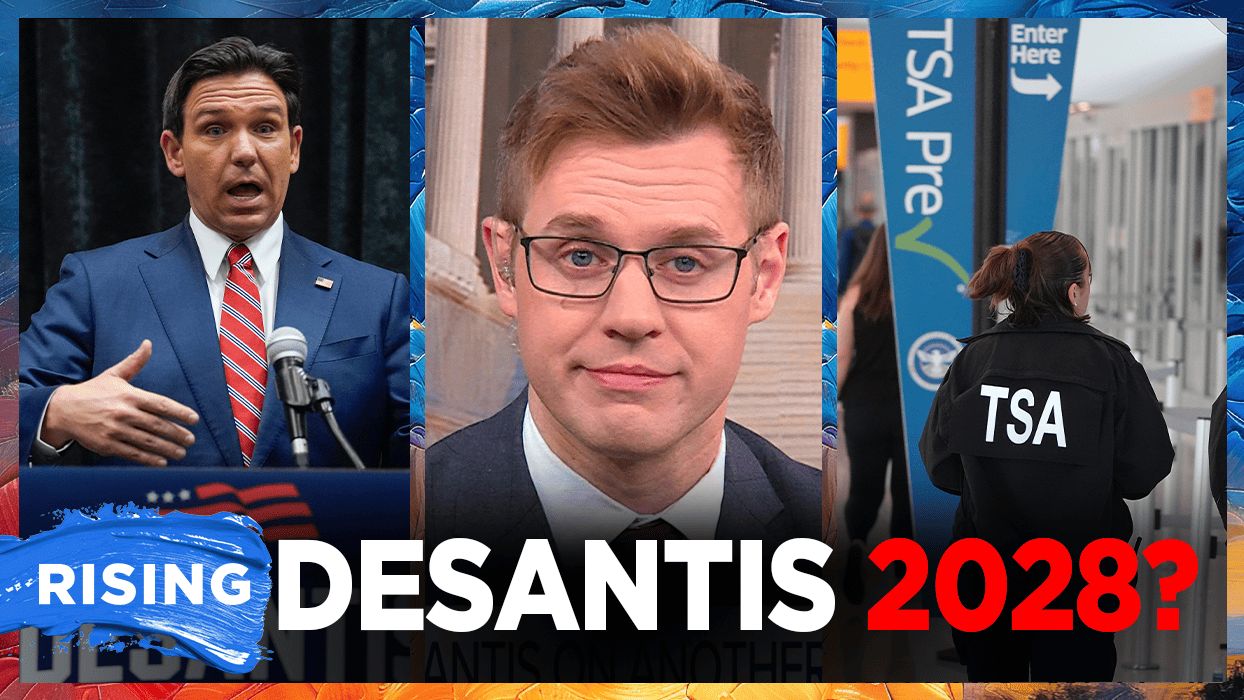
Florida Governor Ron DeSantis has signaled he may seek the Republican presidential nomination in 2028, while simultaneously advocating for a radical overhaul of national airport security. In a recent interview with Fox News host Sean Hannity, the governor outlined his political future and policy vision, centering on a proposal to abolish the Transportation Security Administration (TSA).
Eyes on 2028 After 2024 Setback
DeSantis confirmed he is weighing another White House bid, acknowledging the challenges of his previous campaign against former President Donald Trump. He suggested that Republican voters, particularly the MAGA base, were not prepared to move on from Trump during the 2024 cycle, especially amid various legal challenges against the former president. This context, as explored in our analysis of DeSantis's previous campaign obstacles, framed his unsuccessful primary run.
The governor pointed to his record in Florida as the foundation for a future national campaign, highlighting his administration's handling of the COVID-19 pandemic, tax policy, and regulatory environment. He argued this governance model has attracted significant migration from states like California, positioning Florida as a bastion of conservative policy.
The Case Against the TSA
DeSantis's most specific policy announcement was a call to dismantle the TSA, a federal agency created after the September 11 attacks. He questioned its effectiveness, posting on the social media platform X: "Is there evidence that creating TSA has made air travel safer over the past 25 years? If not, then why not let the airlines and airports handle it? Why give politicians the power to play games with the travel of our people?"
He proposes replacing the federal agency with private security protocols similar to those used at large concert venues and sports stadiums. DeSantis argues the current system is a costly, inefficient bureaucracy that infringes on personal privacy without delivering proportional safety benefits. He cited routine procedures like pat-downs, liquid confiscations, and advanced imaging as unnecessary hurdles that slow travel and increase costs.
Immediate Crisis and Long-Term Vision
The governor's comments come amid recurring operational crises at the agency, often tied to federal funding battles. Past government shutdowns have led to TSA officers working without pay, causing severe staffing shortages and long airport delays. Similar funding and staffing crises have drawn sharp criticism from the TSA's own union leadership.
DeSantis framed his abolition proposal as a long-term solution to systemic problems, contrasting it with the immediate need to fund the agency during congressional impasses. He noted that other major transit systems, including trains and buses, rely on private security without a federal mandate, suggesting airports could operate under a similar model.
This policy idea intersects with broader debates over federal bureaucracy and security privatization. It also recalls past administrative actions during travel disruptions, such as when previous administrations deployed other federal personnel to airports during TSA shortages.
By combining a potential 2028 campaign message with a concrete, controversial policy plank, DeSantis is attempting to shape the post-2024 Republican agenda. His focus on eliminating a major Homeland Security component places him at the forefront of a policy debate concerning government efficiency, national security, and the proper role of federal agencies in daily American life.