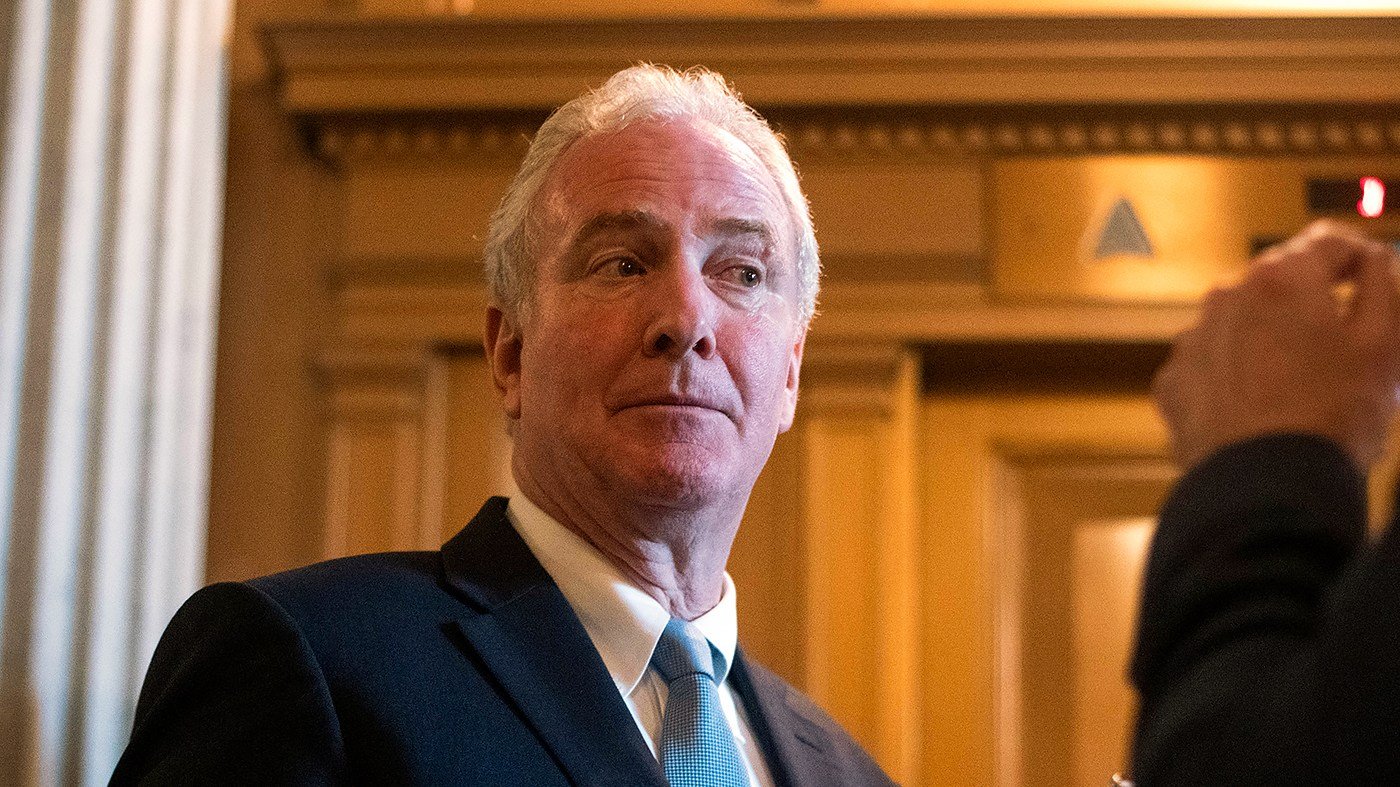
Senate Democrats are increasingly wary of Sen. Chris Van Hollen's (D-Md.) insistence that any government funding measure include language to immediately halt U.S. military involvement in Iran, with many warning that a shutdown before the holidays would be politically disastrous. Van Hollen, who is challenging Senate Democratic Leader Chuck Schumer (D-N.Y.) for the top leadership post, has argued that Congress should use its power of the purse to end the eight-and-a-half-month conflict, a stance that resonates with progressive activists but has sparked concern among colleagues who worry about overplaying their hand.
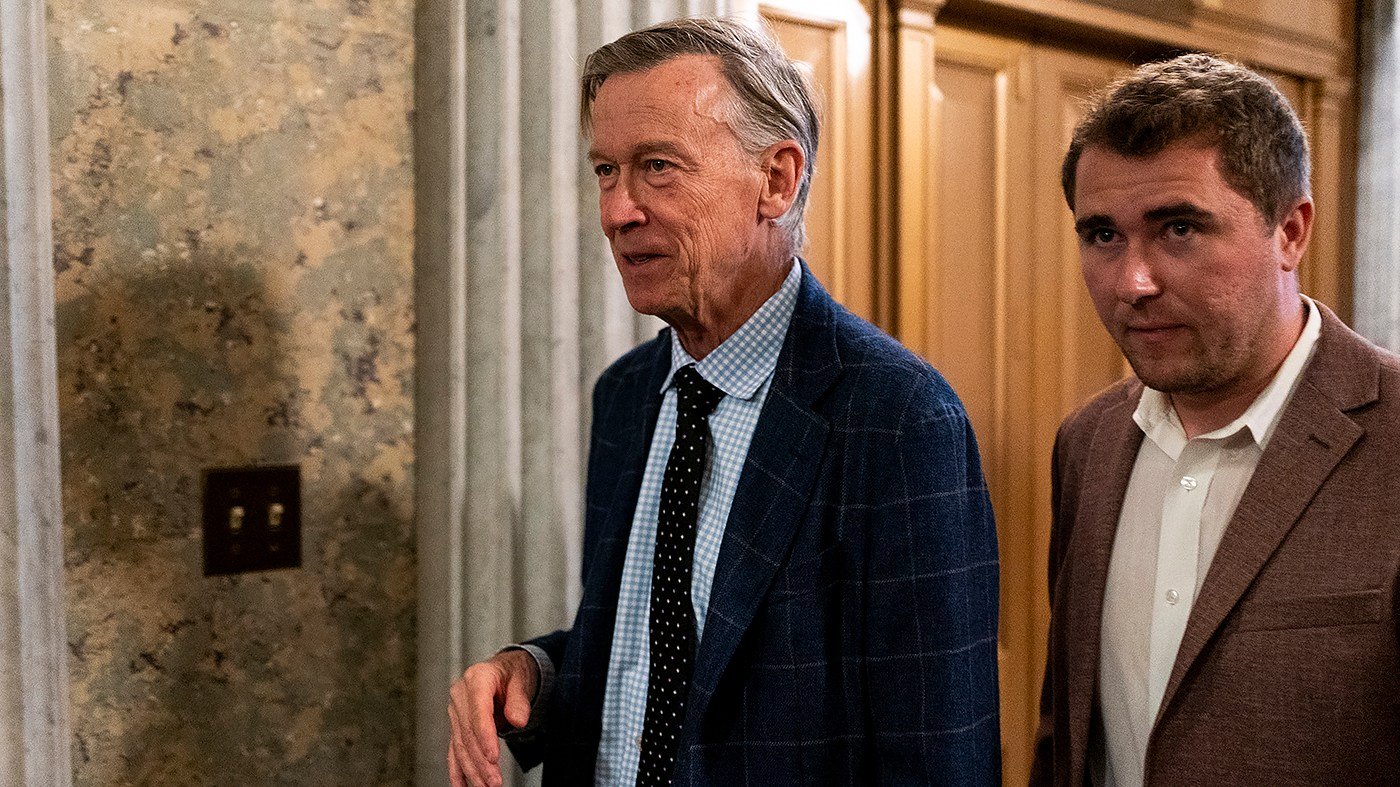
"Nobody I've talked to thinks a shutdown makes any sense," Sen. Jeanne Shaheen (D-N.H.) said, echoing a sentiment shared by many in the caucus. Sen. John Hickenlooper (D-Colo.) called a shutdown a "dire situation" and noted that "a shutdown of government right before the holidays is a tough nut." He acknowledged that voters sent a clear message in the recent elections that they want the conflict resolved, but he declined to endorse Van Hollen's proposal to attach a rider to the stopgap funding bill that would block any appropriated funds from supporting the military campaign against Iran.

Sen. Cory Booker (D-N.J.) emphasized the need to "avoid a government shutdown" while still pursuing an end to the war. "It is vital that we stay strong on bringing this war to a conclusion. It is vital that we fund the government and that's the balance that we're trying to find," he said.
Van Hollen, along with Sens. Michael Bennet (D-Colo.), Bernie Sanders (I-Vt.), and Tammy Duckworth (D-Ill.), issued a joint statement last week calling on Democratic leaders to insist that any short-term funding deal include "language that restricts the Trump administration from using appropriated funds to continue his war against Iran." The demand has won applause from progressive advocates, and Van Hollen received a standing ovation at a Democracy Alliance conference on Wednesday, according to a person in the room.
But Senate Republicans are warning that such a stance could trigger the third government shutdown in just over a year. Senate Majority Leader John Thune (R-S.D.) said he is "increasingly concerned that the Democrats may try to initiate another — a third — government shutdown this year," and called Van Hollen's demand "short-sighted." Thune noted that Democrats will have the majorities and the gavels next year, adding, "I don't know why you'd force another government shutdown. That's not a realistic ask."
A Senate Republican aide cautioned that a shutdown could drag into 2027 and that reopening federal agencies might prove difficult once Democrats take control of Congress. The aide also pointed to the 43-day shutdown's disruption of air travel, as air traffic controllers missed work after going unpaid, which could cause holiday travel chaos.
At a caucus lunch on Tuesday, several Democrats called for finding a compromise that limits funding for the war without risking a shutdown. One Democratic senator, speaking anonymously, called forcing a shutdown to end the war a "ridiculous choice," adding, "There's no automatic reason that the only way to not fund the war is to have the government go into shutdown." Another lawmaker said, "Everybody is pretty realistic."
Schumer, who is favored to retain his leadership post, has said Congress should use its "power of the purse" to end the war, but he has spoken in more general terms. "The Founding Fathers had the power of the purse as one of the ways of deterring a president who does war without the consent of the American people," he said after Election Day. As the Dec. 11 funding deadline approaches, Democrats are walking a tightrope between satisfying the party's activist base and avoiding a politically damaging shutdown. The debate comes amid broader tensions over the party's agenda, including partisan clashes over regulatory appointments and calls from incoming freshmen to break with Washington norms.